
Houthi seizure of Bab al-Mandab strait threatens global trade and Saudi strategy
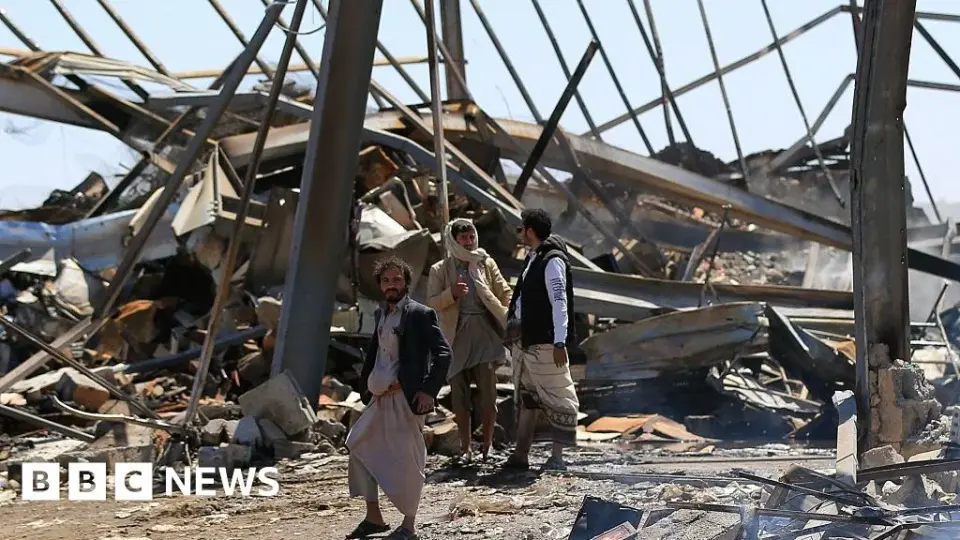
Iran-backed Houthis have forced the internationally recognized Yemeni government to withdraw from the Red Sea coast, securing control of the Bab al-Mandab strait. This retreat, intended to defend the interim capital of Aden, has destabilized Saudi Arabia’s regional strategy and raised fears of further global economic disruption. While experts debate whether the Houthis can capture Aden, the shift has displaced over 300,000 people and highlighted deep fractures among anti-Houthi forces.
Key points
- Houthis have taken full control of the Bab al-Mandab strait, a chokepoint handling 12% of global trade, after government forces retreated to defend Aden.
- Saudi Arabia replaced its Yemen coalition commander, Lt Gen Fahd bin Abdulaziz al-Salman, with Gen Fayyad bin Hamed bin Ruqad al-Ruwaili following the military setback.
- The withdrawal was framed by the government as a strategic move to break the siege on Taiz and protect Aden, but critics blame poor command and control among allied forces.
- The International Organization for Migration reports at least 348,000 people have been displaced in Yemen due to the ongoing conflict.
- Former British ambassador Nicholas Hopton warns that if Aden falls, it will escalate the regional crisis and further destabilize the global economy.
Background
This escalation follows the collapse of a July 2026 truce and the broader US-Israel war with Iran, which began in February 2026. Earlier in October, Houthi strikes on Saudi airports, including a deadly attack on Riyadh’s King Khalid International Airport, highlighted the conflict’s reach. The current retreat marks a significant shift from previous government advances in Lahij and Shabwa provinces, where Houthi resilience had already stalled Saudi-backed offensives.
How outlets are covering it
BBC security correspondent Frank Gardner emphasizes the global economic risks, noting that Houthi control of the strait threatens maritime traffic and could spike oil prices. Al Jazeera highlights the immediate military chaos, reporting that four tankers hit sea mines in the Strait of Hormuz while Houthis claimed control of Bab al-Mandab. The Guardian focuses on internal political fractures, citing accusations from the Southern Transitional Council (STC) that Saudi Arabia’s lack of a cohesive strategy and its treatment of southern separatists have weakened the anti-Houthi coalition. While BBC and Al Jazeera frame the event as a security and economic crisis, The Guardian frames it as a failure of Saudi diplomatic and military coordination, with former US envoy Tim Lenderking criticizing world powers for treating Yemen as a 'sideshow'.
Why it matters
The Houthi advance undermines Saudi Arabia’s ability to secure its oil export routes and project power in the region. Control of the Bab al-Mandab strait allows the Houthis to threaten global shipping lanes and potentially smuggle weapons from Iran. If the conflict escalates further or Aden falls, it could trigger a broader regional war and severe inflationary pressures in global energy markets, compounding the economic shocks already caused by the Strait of Hormuz disruptions.
What to watch
Analysts expect the Houthis to seek a negotiated surrender of Aden rather than a costly urban assault, exploiting divisions among southern factions. Saudi Arabia may continue to adjust its military command structure and seek diplomatic solutions to unify anti-Houthi forces. The situation in Aden will likely determine whether the conflict settles into a stasis or escalates into a wider regional crisis involving Iran and the Gulf states.
- Houthi rebel advance in Yemen may further destabilise global economy BBC
- Live: Houthis advance in Yemen as tankers hit sea mines in Strait of Hormuz Al Jazeera
- Saudi Arabia strategy challenged by anti-Houthi forces in Yemen The Guardian
- Anti-Houthi forces retreat in Yemen as Iran strikes Bahrain Reuters
- Saudi-backed forces retreat to defend Aden as Houthis seize more ground in Yemen NBC News
Want the full story? Read the original reporting
Read on BBC