
Houthi Strikes on Saudi Airports Signal New Phase in Regional Conflict
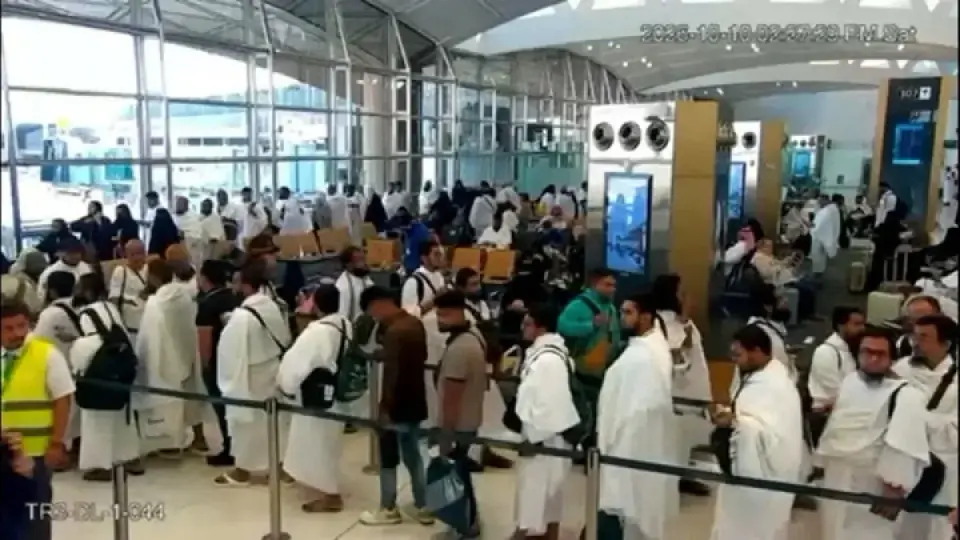
Yemen’s Houthis have launched a series of deadly missile and drone attacks on Saudi airports, killing at least 14 people and injuring hundreds. The strikes, which hit King Khalid International Airport in Riyadh and other facilities, mark the deadliest assault on Saudi soil in over a decade. The escalation follows the collapse of a UN-brokered ceasefire and intensifies the conflict between the Iran-backed Houthis and Saudi-backed Yemeni government forces. While Saudi Arabia has responded with airstrikes on Houthi-held airports, analysts warn that the Houthis are unlikely to stop attacking high-profile civilian and economic targets until their demands are met.
Key points
- Houthi attacks on Saudi airports have killed at least 14 people and injured over 300, with King Khalid International Airport in Riyadh struck multiple times in five days.
- The strikes have forced the suspension of flights by major airlines, including Lufthansa and Air France-KLM, and prompted travel warnings from the UK, France, and Germany.
- Saudi Arabia has retaliated with airstrikes on Houthi-controlled airports in Sanaa and Hodeidah, while Yemeni government forces have launched a counteroffensive to regain control of the Bab al-Mandeb Strait.
- The escalation is linked to the collapse of a UN-brokered ceasefire and the broader regional conflict involving Iran, the US, and Israel.
- Analysts predict the Houthis will continue targeting Saudi civilian and economic infrastructure, including oil pipelines, to force concessions from Riyadh.
Background
The conflict in Yemen has been ongoing since 2014, with the Houthis controlling Sanaa and parts of northwestern Yemen. A UN-brokered ceasefire was largely in place since 2022, but it collapsed in the summer of 2026. Saudi Arabia had been trying to contain the conflict on its southern border through military force and diplomacy, but a series of miscalculations, including the breakdown of its alliance with the UAE and the US-Israel war on Iran, left Riyadh exposed to further conflict. The Houthis have been backed by Iran as part of its 'axis of resistance,' and their attacks on Saudi Arabia are seen as a way to project power and influence in the region.
How outlets are covering it
Al Jazeera emphasizes the humanitarian impact of the attacks and the disruption to Saudi civil aviation, noting that the strikes are the deadliest on Saudi soil in over a decade. The Guardian highlights the global consequences of the attacks, including potential increases in fuel prices and international inflation, and notes that the Houthis' timing is partly opportunistic but also rooted in the dynamics of the conflicts across the Gulf. CNN focuses on the miscalculations that led to the current situation, including Saudi Arabia's reliance on US support and its inability to organize disintegrated armed factions fighting the Houthis. The Atlantic notes that the Houthis are unlikely to stop attacking high-profile targets until their demands are met, and that escalation is assured.
Why it matters
The Houthi attacks on Saudi airports have significant implications for regional stability and global energy markets. The strikes have disrupted Saudi civil aviation and threatened the kingdom's plans to host major international events, including the World Petroleum Congress and the Future Investment Initiative. The conflict also highlights the leverage that Iran and its allies have on global oil and gas supplies, and the challenges that Saudi Arabia faces in defending itself against Houthi attacks. The situation could have broader implications for the US-Israel war on Iran and the future of the ceasefire in Yemen.
What to watch
The Houthis have stated that their actions are 'guided by reciprocity' and that they will continue attacking Saudi targets until their demands are met. Saudi Arabia has responded with airstrikes on Houthi-held airports and is seeking support from allies, including the US, France, and Britain. Analysts predict that the conflict will continue to escalate, with the Houthis likely targeting oil pipelines and energy facilities. The future of the ceasefire in Yemen and the broader regional conflict remains uncertain, and there is no imminent prospect of a diplomatic solution.
- Why are the Houthis striking Saudi airports? Al Jazeera
- Why are the Houthis attacking Saudi airports and how are the missiles getting through? The Guardian
- Saudi Arabia Fends Off More Attacks in Critical Moment for MBS Bloomberg.com
- How a series of miscalculations restarted Saudi Arabia’s war in Yemen CNN
- The Only Thing the Houthis Have Done Successfully The Atlantic
Want the full story? Read the original reporting
Read on Al Jazeera