
Iraq Negotiates US Exemption for Iranian Flights Amid Regional Sanctions Pressure
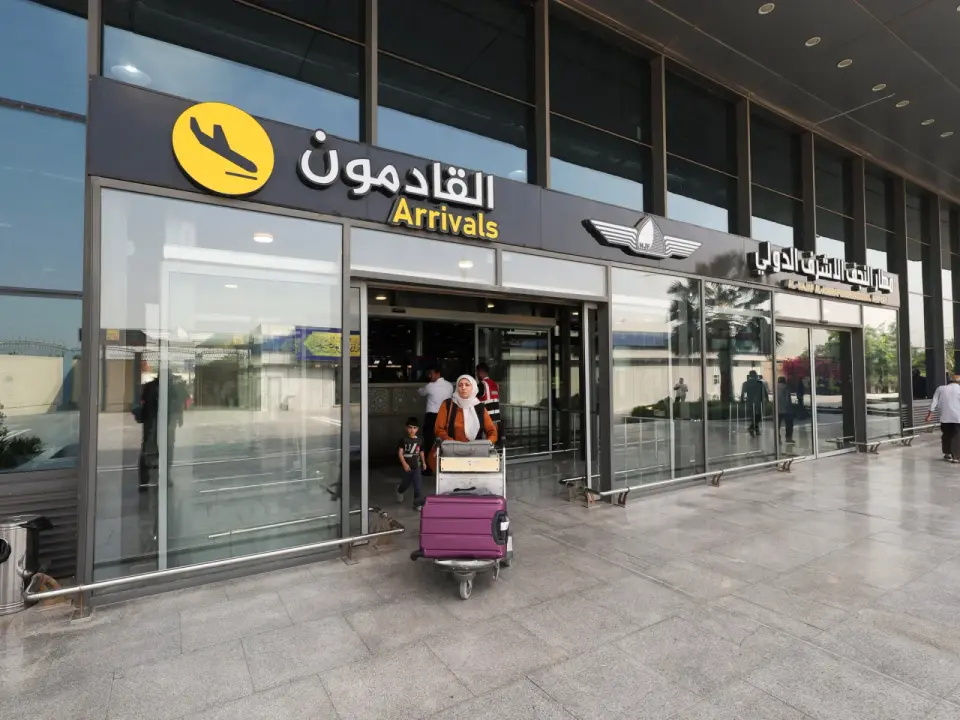
Iraq is in direct talks with Washington to secure exemptions from US aviation sanctions targeting Iranian carriers, aiming to resume flights for humanitarian and religious purposes. Four Iraqi airports suspended Iranian services after the US threatened penalties for any entity doing business with Tehran. While Baghdad seeks to de-escalate tensions, Iran has warned it may disrupt regional air travel if its airlines are blocked. The dispute highlights Iraq’s precarious position between US pressure and Iranian retaliation, with economic and diplomatic consequences rippling across the Middle East.
Key points
- Iraq’s Prime Minister Ali al-Zaidi’s office stated that exemptions would allow flights to resume for medical treatment, education, and religious visits.
- Airports in Baghdad, Najaf, Erbil, and Sulaimaniyah suspended Iranian flights following US sanctions announced on September 8.
- Iranian officials, including Supreme National Security Council secretary Mohsen Rezaei, warned that neighboring airports could face disruption if they cooperate with Washington.
- US Treasury official Jonathan Burke visited over 50 countries, warning that trade with Iran would cut them off from US markets.
- Protests and vigils by Shia scholars and militias in Iraq opposed the flight suspensions, citing humanitarian and religious impacts.
Background
This development follows a broader US-Iran conflict that began in 2026, including a naval blockade of the Strait of Hormuz and escalating sanctions. Earlier tensions included Iran’s attacks on Gulf infrastructure and US bases, which weakened regional trust in American security guarantees. Diplomatic efforts, such as a June agreement that collapsed in July, have failed to resolve the crisis, leaving both sides wary of temporary concessions. The current aviation dispute is part of a larger pattern of horizontal escalation, where Iran threatens to expand the conflict to new domains, including air travel and maritime routes.
How outlets are covering it
Al Jazeera emphasizes Iraq’s diplomatic efforts to secure exemptions and the humanitarian impact on pilgrims and civilians, noting the country’s delicate position between US and Iranian pressures. The Jerusalem Post highlights the US Treasury’s aggressive enforcement of sanctions, with official Jonathan Burke issuing ultimatums to over 50 countries to sever ties with Iran. Iran International focuses on Tehran’s retaliatory threats, warning that regional airports could be disrupted if Iranian flights are banned, and linking these warnings to broader demands for the reopening of the Strait of Hormuz. While all sources agree on the immediate suspension of flights, they differ in emphasis: Al Jazeera frames the issue as a humanitarian and diplomatic crisis, the Jerusalem Post as a US-led economic enforcement campaign, and Iran International as a precursor to wider regional instability.
Why it matters
The suspension of Iranian flights in Iraq underscores the human and economic costs of the US-Iran conflict, affecting millions of pilgrims, students, and travelers. It also reveals the limits of US sanctions in a region where geopolitical alliances are complex and fragile. Iran’s threats to disrupt regional air travel signal a potential escalation beyond economic measures, risking broader instability in the Middle East. For Iraq, the crisis tests its ability to balance relationships with both Washington and Tehran, while for the US, it highlights the challenges of enforcing sanctions without alienating key regional partners. The outcome of these negotiations could influence future diplomatic efforts, including talks on the Strait of Hormuz and the broader peace process.
What to watch
Iraq and the US are expected to continue negotiations over exemptions, with Baghdad seeking to restore flights for humanitarian reasons. Iran may escalate its warnings if its airlines remain blocked, potentially targeting regional airports or maritime routes. Diplomatic talks around the UN General Assembly in New York could provide a platform for renewed negotiations, though both sides remain cautious about making concessions. The US may maintain its sanctions pressure, while Iran could use the aviation crisis as leverage in broader discussions about the Strait of Hormuz and the end of the naval blockade. Regional actors, including Saudi Arabia and the UAE, are likely to push for sustained pressure on Iran, while mediators like Qatar and Oman may seek to facilitate a phased resolution.
- Iraq seeks US exemption from ban on Iranian flights Al Jazeera
- Exclusive | A U.S. Arm-Twisting Campaign Is Cutting Iran Off From the Rest of the World WSJ
- US official toured countries in Europe, Middle East to warn against ties to Iran The Jerusalem Post
- Three Iraqi airports suspend Iranian flights starting Friday, sources and state media say Reuters
- Iran threatens regional air travel as US sanctions cut its flight links Iran International
Want the full story? Read the original reporting
Read on Al Jazeera