
Kellogg Defends Ukraine's Refinery Strikes as Trump Pushes Diesel Deal
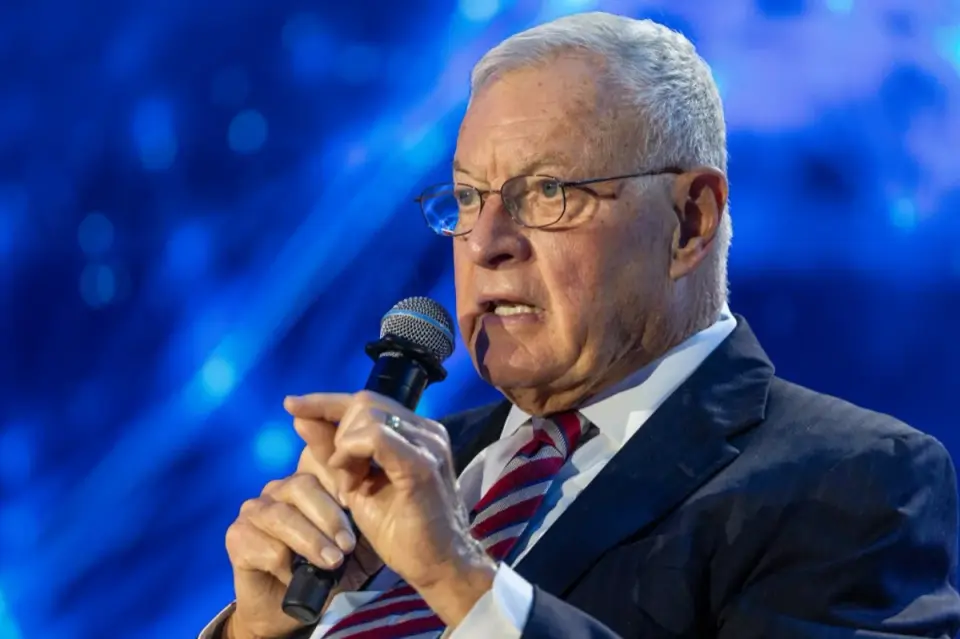
Retired General Keith Kellogg, former US special envoy for Ukraine, has urged Kyiv to continue drone strikes on Russian oil refineries, arguing that Moscow's new diesel export deal is a tactic to relieve pressure on its energy sector. This stance contrasts with President Donald Trump, who has criticized Ukrainian President Volodymyr Zelensky for disrupting global fuel markets and called for a change in Ukrainian leadership. The dispute centers on a US-Russia agreement to supply up to 3 million metric tons of diesel, which Washington says will stabilize prices, while Kyiv maintains that halting strikes would only benefit the Russian war machine.
Key points
- Kellogg stated that Ukraine should continue attacking Russian military-industrial targets, distinguishing these strikes from Russian attacks on civilian infrastructure like schools and churches.
- The US-Russia diesel deal, announced on Oct. 9, involves Moscow supplying 300,000 metric tons immediately, scaling to 1 million tons, with a US Treasury waiver allowing transactions until April 7, 2027.
- Ukrainian strikes have idled approximately 40-50% of Russia's refining capacity, causing a fuel crisis and rising inflation in Russia, according to various analysts and the Washington Post.
- Trump defended the deal on Oct. 10, claiming Zelensky is causing problems for global agricultural and commercial transport markets, and called for a new Ukrainian president.
- Kyiv has proposed a mutual energy armistice, agreeing to halt refinery strikes only if Russia ceases attacks on Ukrainian electricity and heating infrastructure, a proposal Moscow has rejected.
Background
This conflict follows a series of Ukrainian drone strikes on Russian refineries and data centers in late October 2026, which reduced Russian oil processing to a 20-year low. Previous coverage noted that Ukraine defied the Trump administration's pressure to halt strikes, prioritizing the degradation of Russian war-funding infrastructure over diplomatic concessions. The current standoff highlights a divergence between US efforts to stabilize energy prices through economic accommodations and Ukraine's strategy to inflict economic damage on Russia.
How outlets are covering it
The Washington Post provides a technical analysis of Ukraine's strategy, noting that strikes target critical, hard-to-repair components like desalting and distillation units, which are difficult to replace due to international sanctions. The Post emphasizes the economic impact, citing a 20% rise in fuel prices and a 1% drop in Russian GDP. In contrast, Kyiv Post focuses on the diplomatic and political fallout, highlighting Kellogg's defense of the strikes and Trump's criticism of Zelensky. The Telegraph source was inaccessible due to a security block, so its perspective could not be synthesized. The outlets differ in emphasis: The Washington Post focuses on the mechanics and economic impact of the strikes, while Kyiv Post focuses on the US-Russia-Ukraine diplomatic triangle and the political rhetoric surrounding the diesel deal.
Why it matters
The outcome of this standoff will determine the effectiveness of US sanctions and the economic resilience of Russia. If Ukraine continues its strikes, it may further degrade Russia's war-funding capacity but could face increased pressure from Washington. If Kyiv halts strikes, it may stabilize global fuel prices but risk empowering the Russian war machine. The situation also tests the limits of US-Russia diplomatic negotiations and the cohesion of the Western alliance in supporting Ukraine.
What to watch
Watch for any changes in the US-Russia diesel deal or further strikes on Russian refineries. Monitor the response from Moscow to the US Treasury waiver and any potential escalation in Russian attacks on Ukrainian civilian infrastructure. Also, observe the outcome of the US midterm elections, which may influence the Trump administration's stance on Ukraine and Russia.
- Ukraine Right to Keep Striking Fuel Refineries, Keith Kellogg Says Kyiv Post
- How Ukraine uses precision drone strikes to hobble Russian oil refineries The Washington Post
- Trump’s deal with Putin will not deter Zelensky from playing his strongest card The Telegraph
- Samara Oil Pumping Station Attacked for Fourth Time Since Start of Month Мілітарний
- Russia and Ukraine Bomb Their Way Through Trump’s ‘Ceasefire’ The New York Sun
Want the full story? Read the original reporting
Read on Kyiv Post