
Macron Rejects CIA Drone Alert, Vows Military Support for Saudi Oil Hub
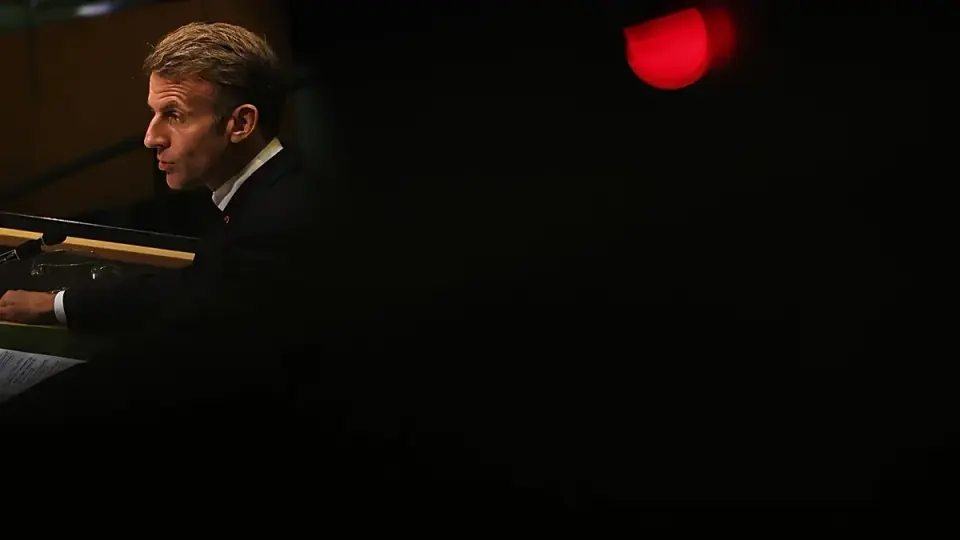
French President Emmanuel Macron denied that the CIA warned Paris about a potential Russian drone attack on southern Europe, contradicting recent reports. He pledged to send troops and defensive systems to protect the Yanbu oil facility in Saudi Arabia, aiming to stabilize global energy markets without engaging in active conflict. Macron also acknowledged the plausibility of future Russian hybrid attacks on Europe, citing a recent incident in Germany, and warned of a possible Russian mobilization of 300,000 troops to secure the Donbas.
Key points
- Macron stated that France did not receive the alleged CIA warning regarding Russian drone operations targeting Spain, France, and Italy, aligning with Italian Defense Minister Guido Crosetto’s denial.
- The French leader committed to deploying military assets, including troops, radar, and defensive systems, to safeguard the Yanbu site on the Red Sea, a critical node for Saudi oil exports bypassing the Strait of Hormuz.
- Macron emphasized that the deployment is intended to stabilize oil markets and does not constitute an entry into a war zone, though he warned that disruptions at such sites would immediately affect fuel prices in Europe.
- He confirmed that a Russian attack on Europe is plausible, referencing the August 2026 drone strike on Leipzig/Halle Airport attributed to Moscow, and noted that France has not yet faced a comparable incident.
- Macron described a potential Russian mobilization of 300,000 personnel as a credible scenario, estimating it would take Moscow one to two years to conquer the remaining Donbas territories at the current pace.
Background
This development follows earlier reports from September 24, 2026, suggesting the CIA alerted southern European governments to a threat of sea-launched drones from commercial vessels. Previous coverage highlighted concerns that such attacks might target politically vulnerable nations ahead of 2027 elections. Additionally, in late August 2026, French military leadership warned that the country lacked sufficient affordable countermeasures against mass-produced drones, prompting accelerated development of cheaper defensive technologies.
Why it matters
The denial of the CIA alert by major European powers highlights a significant disconnect in intelligence sharing or public messaging regarding Russian hybrid warfare capabilities. Simultaneously, France’s commitment to protecting Saudi oil infrastructure underscores the direct link between regional conflicts in the Middle East and European energy security. The explicit acknowledgment of potential Russian attacks on European soil signals a shift in NATO’s threat perception, moving from conventional border defense to internal security and critical infrastructure protection.
What to watch
Expect increased scrutiny of French military deployments to the Red Sea and potential parliamentary debates in France regarding the risks of becoming a belligerent party. European governments may continue to deny specific intelligence alerts while simultaneously enhancing defensive postures against low-cost drone threats. The situation in the Donbas will likely remain a focal point for assessing Russian strategic intent and resource allocation.
Want the full story? Read the original reporting
Read on Euronews.com