
Mecca Pact Faces First Real Test as Houthi Strikes Threaten to Drag Pakistan into War
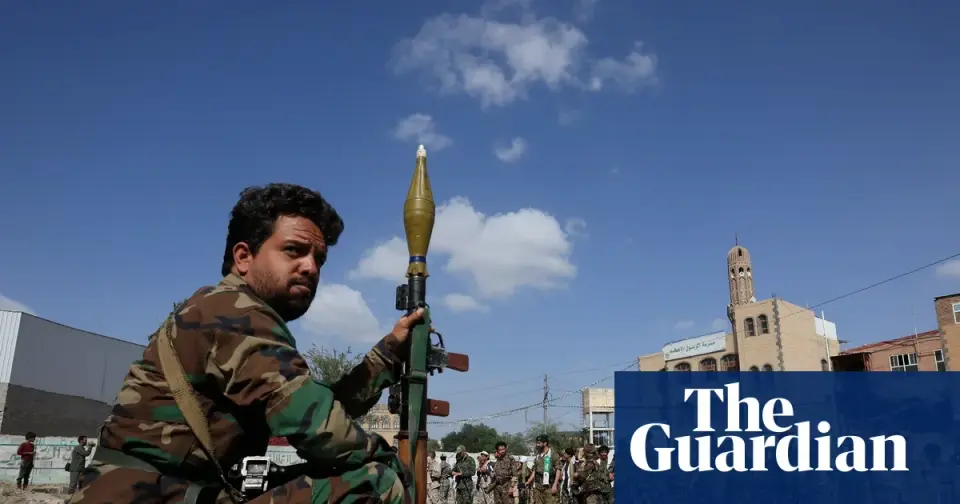
Pakistan faces mounting pressure to activate the Mecca Joint Defence Agreement as Houthi attacks on Saudi Arabia intensify. While officials publicly pledge unconditional support, private concerns persist over economic strain and domestic instability. Analysts note the alliance lacks a clear command structure, complicating collective action.
Key points
- Saudi Arabia and Pakistan signed a bilateral defence pact in September 2025, later expanded to include Turkey in August 2026 as the Mecca Joint Defence Agreement.
- The pact stipulates that an attack on one member is considered an attack on all, though operational details remain undisclosed.
- Houthi forces have launched drones and missiles at Saudi territory, including a recent incident near Mecca, prompting Saudi airstrikes in Yemen.
- Pakistani officials, including Lt-Gen Ahmed Sharif Chaudhry, have pledged to defend Saudi Arabia 'to any extent,' but no formal request for military intervention has been made yet.
- Pakistan’s economy is fragile, relying on Saudi financial aid, while domestic issues include militancy in Balochistan and tensions with Afghanistan.
- Analysts warn that activating the pact could alienate Iran and provoke domestic unrest among Shia populations in Pakistan.
Background
The Mecca Joint Defence Agreement was signed in August 2026, following a bilateral pact between Saudi Arabia and Pakistan in September 2025. Earlier coverage highlighted the pact as a shift away from US-centric security, forming a Sunni bloc to counter Iran and Israel. Saudi Arabia initially blocked Egypt’s inclusion due to trust concerns, though Turkey has since invited Cairo to join pending technical reviews.
How outlets are covering it
The Guardian emphasizes the risk of Pakistan being dragged into a Middle East war, highlighting economic dependence on Saudi Arabia and domestic instability. War on the Rocks argues the alliance suffers from an 'all-patrons, all-clients paradox,' where each member seeks leadership but lacks the leverage to enforce it, limiting collective action. Al Jazeera reports on Pakistan’s public pledges of support while noting private reluctance to engage directly in hostilities. The Telegraph source was inaccessible due to a bot challenge.
Why it matters
The Mecca Pact’s activation could reshape regional alliances, potentially drawing Pakistan into a conflict with Iran and destabilizing its already fragile economy and security situation. It also tests the viability of non-US-led security architectures in the Middle East.
What to watch
Watch for any formal Saudi request to activate the Mecca Pact, potential Houthi escalation, and Pakistan’s domestic reactions to increased military involvement. Monitor Turkey’s stance and any developments regarding Egypt’s potential accession to the alliance.
- Pact with Saudi Arabia threatens to draw Pakistan into Middle East conflict The Guardian
- Three Patrons, Three Clients: The Mecca Alliance No One Owns War on the Rocks
- Pakistan hints at joining war on Houthis The Telegraph
- 'Our commitment is unconditional': Amid Houthi attacks, DG ISPR says Pakistan will 'go to any extent' to defend Saudi Arabia Dawn
- Pakistan pledges full committment to defence of Saudi Arabia Al Jazeera
Want the full story? Read the original reporting
Read on The Guardian