
New Russian Duma Signals Escalation as Putin Rejects Foreign Aid
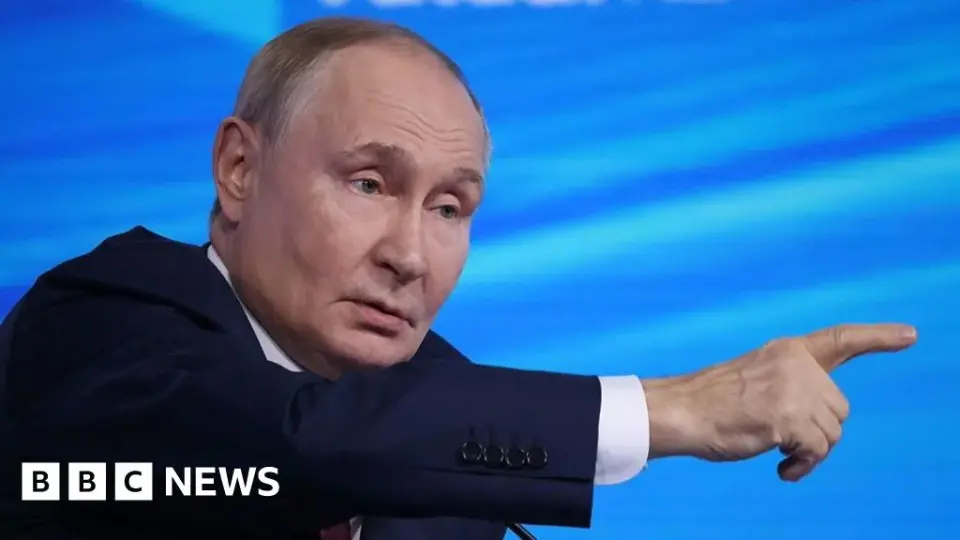
Vladimir Putin addressed the newly elected Russian State Duma, asserting that Russia will not seek foreign aid and will continue its 'special military operation' in Ukraine. The new parliament, dominated by United Russia and featuring a significant number of war veterans, signals a deepening of militarization. While Moscow claims economic confidence, Western officials accuse Russia of escalating hybrid warfare against Europe to sever support for Kyiv. Russian strategists have warned of potential nuclear escalation if Western backing continues, though direct conflict with NATO remains unlikely.
Key points
- Putin told the new State Duma that Russia will not 'beg for handouts' from the West, claiming confidence in its financial systems despite a growing budget deficit.
- The September 2026 elections resulted in United Russia securing a record 355 of 450 seats, with the Kremlin framing this as a mandate for continued war.
- Approximately 46 to 86 war veterans were elected to the Duma, a figure that fluctuated in official reports, indicating managed political allocation rather than organic electoral success.
- Foreign Minister Sergei Lavrov denied waging a hybrid war against Europe, arguing that destroying weapons supplied to Ukraine is a defensive act against a 'European war' on Russia.
- Strategist Sergei Karaganov warned that if Europe continues supporting Ukraine, Russia may eventually use nuclear weapons, though he dismissed the likelihood of a European nuclear response.
Background
This development follows a series of tightly controlled elections in 2026, where opposition parties like Yabloko were removed from ballots. Previous coverage noted that Putin used the United Russia Congress in August to frame the party as the vehicle for a prolonged war, despite slow battlefield gains and high casualties. The current parliamentary shift is part of a broader 'Time of Heroes' initiative launched in 2024 to integrate veterans into government roles, aiming to create a new political elite loyal to the regime.
How outlets are covering it
BBC emphasizes the continuity of the war and the Kremlin's narrative that Europe is waging war on Russia, highlighting Lavrov's refusal to acknowledge hybrid tactics. The Moscow Times focuses on the internal political mechanics, noting that the inclusion of veterans in the Duma is a managed strategy to control a potentially dangerous hardline constituency and prevent a repeat of the Prigozhin mutiny. Ukrainska Pravda highlights Putin's rhetorical stance on economic independence, framing his rejection of foreign aid as a defense against Western pressure, while noting the party's record seat count. The outlets differ in focus: BBC and Pravda look outward at international relations and rhetoric, while The Moscow Times analyzes the domestic power structures and the risks of militarizing the political class.
Why it matters
The consolidation of power in the new Duma and the integration of veterans into the political system suggest that Russia is preparing for a long-term conflict rather than seeking a negotiated settlement. The explicit warnings from Russian strategists regarding nuclear escalation and the reported increase in hybrid attacks on European infrastructure indicate that the conflict is expanding beyond the Ukrainian front lines, potentially destabilizing broader European security and forcing Western nations to reconsider their support for Kyiv.
What to watch
Observers will watch Putin's upcoming speech at the Valdai Discussion Club for further signals on foreign policy. The Kremlin is expected to continue its hybrid campaign in Europe to disrupt military supply chains. Domestically, the new Duma will likely pass legislation further integrating veterans into state structures, while international tensions may rise if Russian strikes on European airspace or infrastructure increase in frequency.
- Putin shows no sign of stopping the war as Russia doubles down on Ukraine bbc.com
- The True Meaning of Russia’s Sham Election Foreign Policy
- Ukraine War Veterans Pose a Threat to the Kremlin. So Putin Is Bringing Them Onside. themoscowtimes.com
- What's Putin's Secret Post-Election Strategy To Test NATO Crude Oil Prices Today | OilPrice.com
- Putin: We will not run around the world with an outstretched hand pravda.com.ua
Want the full story? Read the original reporting
Read on bbc.com