
Bulgarian PM Blames Western Aid for Leipzig Attack as Germany Escalates Response
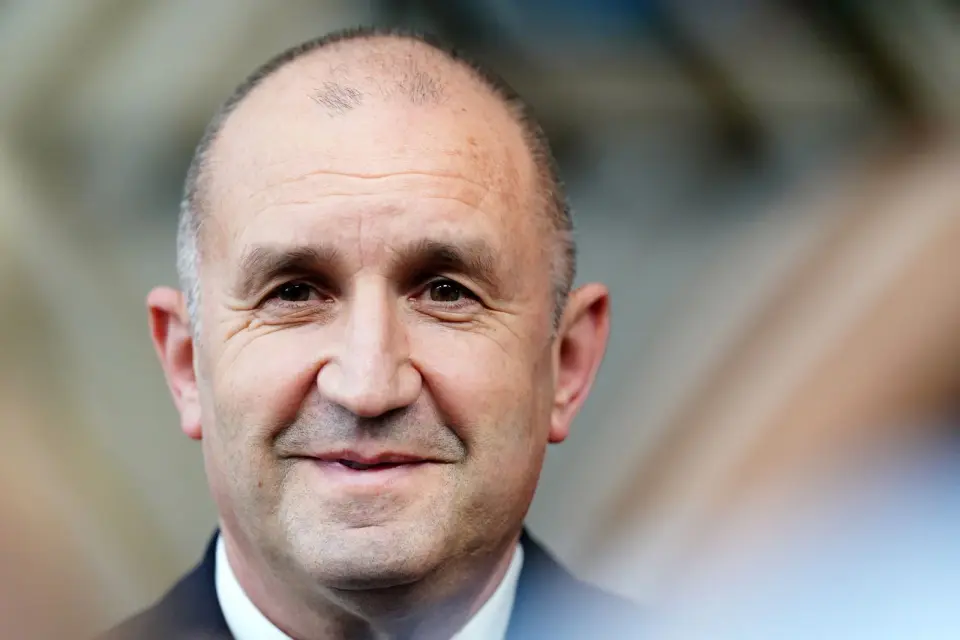
Bulgarian Prime Minister Rumen Radev suggested that Western military support for Ukraine provoked Russia’s recent drone attack on Germany’s Leipzig Airport. While Berlin officially blamed Moscow for the August incident and announced countermeasures, Radev characterized European aid as reckless warmongering. This stance contrasts with the broader EU and NATO response, which has intensified sanctions and security measures against Russia despite domestic political challenges in Germany.
Key points
- Rumen Radev, Bulgaria’s prime minister, stated on September 4 that Western long-range weapon supplies to Ukraine provoked the Russian attack on Leipzig Airport, calling European actions 'reckless' and urging immediate negotiations with Moscow.
- Germany formally accused Russia on September 1 of orchestrating the August 4 drone attack at Leipzig/Halle Airport, raising its threat level to 'high' and closing the Russian consulate in Bonn and the Russian House cultural center in Berlin.
- The attack involved a drone with military-grade explosives found near a Ukrainian cargo plane; a second drone damaged another aircraft, and a third was found later. US intelligence linked the device to Russian intelligence services.
- EU Commission President Ursula von der Leyen and NATO Secretary General Mark Rutte condemned the act as a 'new escalation' and 'recklessness,' vowing to step up pressure on Russia through additional sanctions and support for Ukraine.
- The incident coincides with rising support for the far-right AfD in German state elections, complicating Chancellor Friedrich Merz’s ability to respond firmly to Russian hybrid warfare amid domestic political instability.
Background
Leipzig/Halle Airport is a critical cargo hub for Ukraine’s Antonov Airlines and NATO logistics. Previous incidents in 2026, including drone sightings and infrastructure sabotage, had already raised concerns about Russian hybrid warfare in Europe. The current attack follows a pattern of escalating tensions, with earlier EU discussions on peace talks failing due to Moscow’s lack of interest in ending the war.
How outlets are covering it
The Kyiv Independent highlights Radev’s pro-Russian stance, noting his recent withdrawal from the Coalition of the Willing and praise from Kremlin spokesperson Dmitry Peskov. CNN and BBC emphasize Germany’s formal accusation and the subsequent diplomatic and security measures, including the closure of Russian institutions. The Council on Foreign Relations focuses on the domestic political implications for Chancellor Merz, linking the attack to the rising influence of the AfD and the challenges of maintaining a unified European response. All sources agree on the factual occurrence of the attack and the official German attribution to Russia, but differ in emphasis: The Kyiv Independent frames it as a diplomatic provocation by a pro-Russian leader, while CNN and BBC focus on the security and diplomatic fallout, and CFR highlights the internal political vulnerabilities in Germany.
Why it matters
The incident marks a significant escalation in Russian hybrid warfare on European soil, testing the resolve of NATO and the EU. Radev’s comments reflect a growing divide within Europe over the response to the Ukraine war, with some leaders advocating for de-escalation while others push for stronger sanctions. The timing, coinciding with critical German state elections and rising far-right support, could impact the stability of European alliances and the effectiveness of the response to Russian aggression.
What to watch
EU foreign ministers are expected to announce additional sanctions and visa restrictions on Russian visitors. Germany may face further domestic political challenges as the AfD gains ground in upcoming elections in Saxony-Anhalt, Berlin, and Mecklenburg-Vorpommern. The EU and NATO are likely to continue coordinating a unified response, including potential use of frozen Russian assets to support Ukraine, though Belgium’s stance remains a barrier.
- Bulgaria's prime minister suggests Western support for Ukraine provoked Russia's Leipzig Airport attack The Kyiv Independent
- Germany blames Russia for drone attack on Leipzig airport CNN
- Far-Right AfD and Russian Hybrid Campaign Pose Twin Threat for Germany’s Merz Council on Foreign Relations
- EU and Nato vow to step up pressure on Russia after 'new escalation' in Germany BBC
- Russia to close German cultural centers amid deepening tensions with Europe over supporting Ukraine AP News
Want the full story? Read the original reporting
Read on The Kyiv Independent