
Sudan Escalates UN Complaints as Drone Strikes Threaten National Power Grid
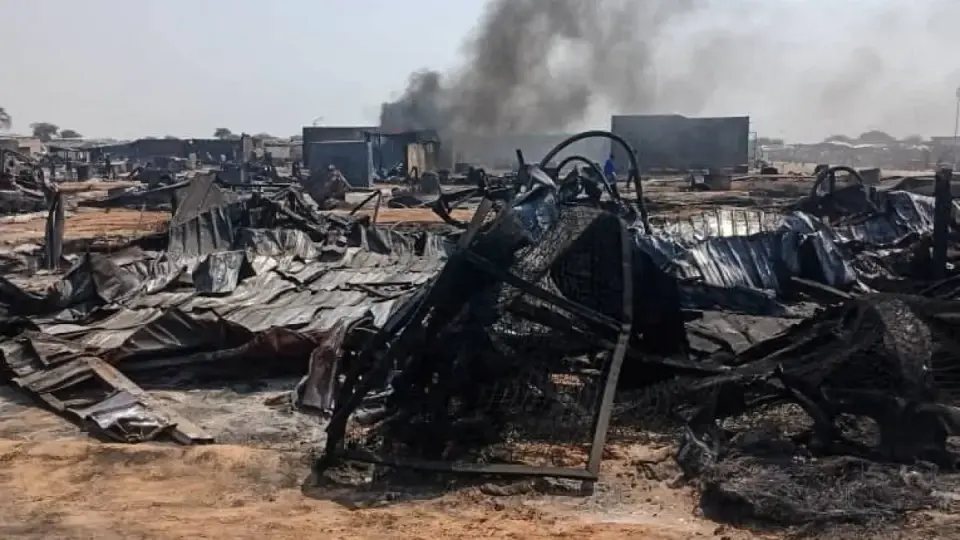
Sudan has formally accused Ethiopia of facilitating Rapid Support Forces (RSF) drone attacks on civilian infrastructure, filing complaints with the UN and African Union. The strikes have crippled Sudan's power grid, leaving the Merowe Dam as the sole major energy source, while diplomatic tensions over the Grand Ethiopian Renaissance Dam and rebel support remain unresolved.
Key points
- Sudan filed complaints with the UN Security Council and African Union, alleging the RSF used Ethiopian territory to launch 187 drones between February and October, killing 484 civilians and 176 soldiers.
- Drone strikes have destroyed over 90% of power stations in army-held areas, forcing reliance on the Merowe Dam for 70% of electricity and threatening hospitals and water supplies.
- Ethiopia denies the allegations, accusing Sudan of supporting Tigray rebels, while analysts debate whether Sudan’s legal case is strong enough to justify a broader military confrontation.
- The dispute is compounded by existing tensions over the Grand Ethiopian Renaissance Dam and fears that a two-front war would strain Sudan’s exhausted military resources.
Background
This escalation follows months of border tensions and a broader regional conflict involving Ethiopia, Sudan, and Egypt. Previous incidents, including Egyptian airstrikes on Sudanese miners and Eritrean troop movements into Tigray, have heightened instability in the Horn of Africa. The current drone campaign represents a significant shift in the Sudanese civil war, which began in April 2023, moving from internal combat to cross-border infrastructure targeting.
How outlets are covering it
Al Jazeera and Middle East Monitor emphasize the diplomatic dimension, highlighting Sudan’s formal complaints and the risk of a wider war. AP News focuses on the humanitarian impact, detailing how the destruction of power substations is endangering hospitals and driving up costs for residents. NewsCord provides a balanced view, noting that while some analysts question the evidence for Sudan’s legal case, others view the UN filing as a significant diplomatic step. All sources agree on the severity of the power grid collapse but differ on the likelihood of direct military confrontation between the two nations.
Why it matters
The collapse of Sudan’s power grid threatens to exacerbate the humanitarian crisis, with 13 million people already displaced. If the UN or African Union acts on Sudan’s complaints, it could internationalize the conflict, potentially drawing in regional powers and destabilizing the Nile Basin. Conversely, a failure to address the cross-border attacks may lead to a direct military confrontation, further straining resources in a region already facing famine and civil war.
What to watch
Diplomats in Port Sudan are expected to continue pressuring the international community to hold Ethiopia accountable. Sudan may seek further military or diplomatic responses if the drone attacks continue, while Ethiopia is likely to maintain its denial and focus on its own internal security challenges in Tigray. The status of the Grand Ethiopian Renaissance Dam negotiations will also be a key factor in determining the trajectory of bilateral relations.
- Deadly RSF drone attacks reveal deep divisions between Sudan and Ethiopia Al Jazeera
- Sudan’s power grid nears collapse as drone strikes blamed on RSF target electric stations AP News
- Sudan cabinet orders maximum alert over RSF drone strikes Sudan Tribune
- Sudan Files UN And African Union Complaints Over Ethiopian-Territory RSF Drone Attacks: how 5 outlets framed it NewsCord
- Sudan accuses Ethiopia of supplying RSF with arms Middle East Monitor
Want the full story? Read the original reporting
Read on Al Jazeera