
Trump Halts Iran Strikes After Saudi Plea and Regional Retaliation Threats
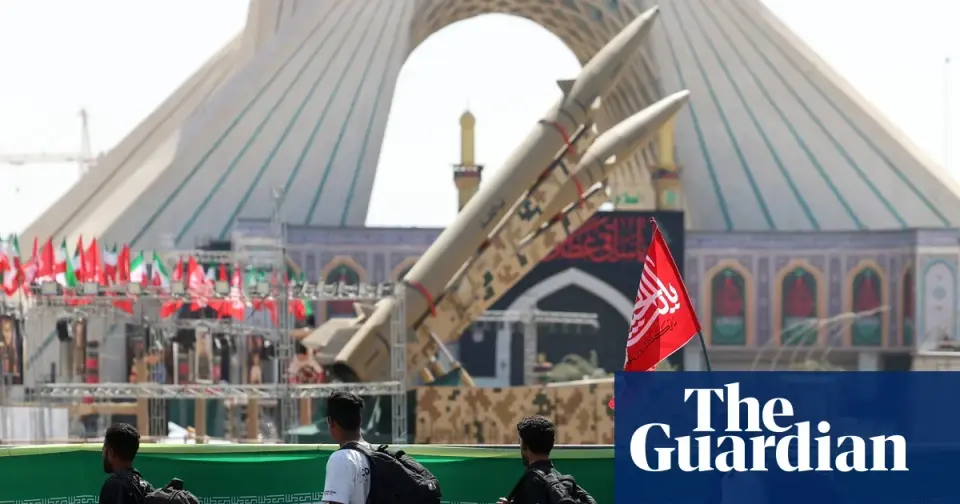
President Donald Trump announced a pause in planned US strikes against Iran, citing requests from Tehran and other Middle Eastern nations to de-escalate. This reversal followed a phone call with Saudi Crown Prince Mohammed bin Salman, who urged restraint to prevent Iran from targeting Gulf energy infrastructure. The decision comes amid heightened regional tensions, including Iranian drone attacks on Kuwait and maritime incidents in the Strait of Hormuz, with Trump conditioning the pause on a rapid deal that includes opening the strait and ending Iran's nuclear program.
Key points
- Trump stated the US would hold off on new strikes if a deal is quickly reached, marking a shift from previous threats of massive military action.
- Saudi Crown Prince Mohammed bin Salman called Trump to urge de-escalation, expressing concern that US attacks on Iranian infrastructure could trigger retaliatory strikes on Gulf states.
- Iran warned of a 'proportionate response' to any US or Israeli action, with state-affiliated media claiming attacks on US energy targets would lead to strikes on Saudi, UAE, and Qatari oil and gas fields.
- Kuwait reported destroying hostile Iranian drones that hit a government facility and civilian property on Bubiyan Island, causing material damage but no casualties.
- The UK Maritime Trade Operations reported two incidents off Oman, including a tanker struck by a projectile and another vessel near an explosion, highlighting risks in the Strait of Hormuz.
Background
This development follows months of escalating conflict, including US and Saudi strikes on Iran-backed militias in Iraq in late July and six consecutive nights of US strikes on Iranian military targets. The current pause contrasts with earlier aggressive posturing, such as Senator Lindsey Graham's public celebration of the bombing campaign, and occurs after the death of Iranian Supreme Leader Ali Khamenei, which had intensified regional vows of vengeance.
Why it matters
The temporary halt in US strikes reduces the immediate risk of a wider regional war involving Gulf energy infrastructure, potentially stabilizing oil markets. However, the conflict remains unresolved, with Trump's conditions for a deal likely to be difficult to meet, and the underlying tensions between the US, Israel, and Iran remain high.
What to watch
Negotiations will likely focus on whether Iran will agree to open the Strait of Hormuz and halt its nuclear program as demanded by the US. The situation remains volatile, with the potential for renewed strikes if a deal is not reached quickly, and continued monitoring of maritime security in the Gulf is expected.
Want the full story? Read the original reporting
Read on The Guardian