
U.S. Middle East Strategy Collapses After Iran War and Saudi-Yemeni Escalation
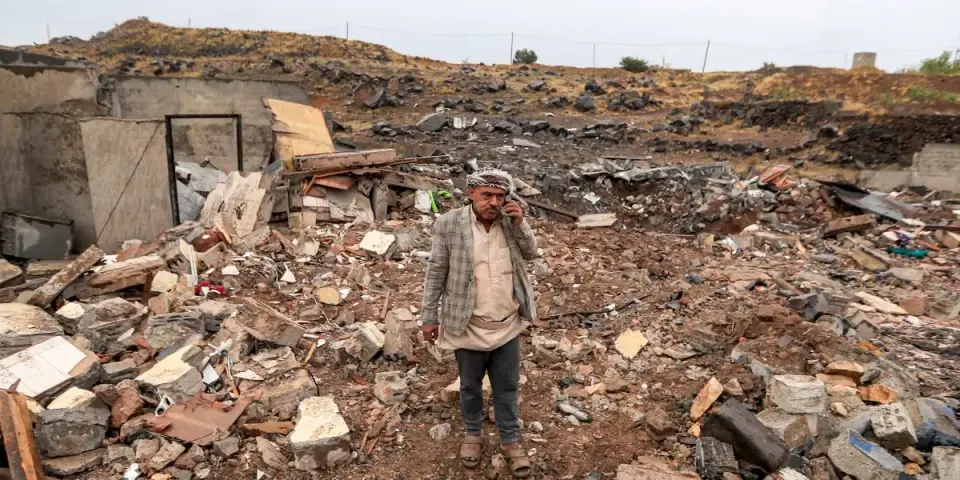
The U.S. is undergoing its most significant retreat from the Middle East since 1975 following failed conflicts with Iran and a new war between Saudi Arabia and Yemen's Ansarullah. Iranian strikes have destroyed key U.S. bases in Bahrain, Qatar, and Kuwait, while the U.S. has refused to intervene on behalf of Saudi allies. Analysts argue this exposes the limits of American power and suggests a shift toward a minimal, access-only military posture in the region.
Key points
- U.S. bases in Bahrain, Qatar, and Kuwait were damaged or destroyed by Iranian strikes during the 2026 conflict, rendering the Fifth Fleet headquarters in Manama inoperable.
- The U.S. has withdrawn all troops from Iraq and Syria, reducing its regional footprint, though approximately 50,000 personnel remain in the region prior to recent surge operations.
- Saudi Arabia and Yemen's Ansarullah resumed hostilities in July 2026 after Riyadh struck Sanaa airport; Ansarullah has since targeted Saudi energy infrastructure and airports.
- The U.S. has declined to intervene militarily on behalf of Saudi Arabia, citing the inability to protect new assets from Iranian drones and the high cost of interceptor systems.
- Defense Priorities recommends closing all bases in Bahrain, UAE, Saudi Arabia, Qatar, and Kuwait, retaining only intelligence assets and rotational access in Jordan and Oman.
Background
The U.S. maintained a large military presence in the Middle East following the 1991 Gulf War, with approximately 50,000 personnel stationed across the region before the 2026 conflicts. This included major bases in Qatar, Bahrain, and Kuwait, which served as hubs for air and naval operations. The current crisis follows a series of failed U.S. interventions, including the 2025 conflict with Iran and the ongoing war with Ansarullah in Yemen, which has exposed vulnerabilities in U.S. defense infrastructure.
How outlets are covering it
The Intercept and Informed Comment emphasize the dramatic decline of U.S. power, framing the current situation as a 'shrinking superpower' that has failed to achieve its war aims against Iran and is now unable to protect its allies. They highlight the destruction of U.S. bases and the refusal to intervene for Saudi Arabia as evidence of profound weakness. Defense Priorities offers a more strategic perspective, arguing that the U.S. should formally withdraw to a minimal 'access-only' posture, closing all major bases and ending security commitments that require military responses, as the current presence is a liability rather than an asset. While The Intercept focuses on the narrative of defeat, Defense Priorities focuses on the policy implications for future basing and resource allocation.
Why it matters
The collapse of U.S. military infrastructure in the Middle East signals a shift in global power dynamics, potentially allowing regional actors like Iran and Ansarullah to challenge U.S. dominance. The high cost of defending against drone swarms, with interceptors costing millions compared to thousands for drones, makes sustained U.S. presence economically unsustainable. This retreat may lead to increased regional instability and a reconfiguration of alliances, as Gulf states seek alternative security arrangements or accept a new status quo.
What to watch
The U.S. is likely to continue its withdrawal from the Middle East, potentially closing remaining bases and reducing its military footprint to a minimal rotational presence. The conflict between Saudi Arabia and Ansarullah may continue to escalate, with further attacks on energy infrastructure and airports. The U.S. may also face pressure to negotiate a new security framework for the region, potentially involving informal partnerships rather than formal military commitments.
- The Incredible Shrinking Superpower The Intercept
- An access-only posture for the Middle East Defense Priorities
- The Incredible Shrinking Superpower: Retreat from the Middle East - Juan Cole in The Intercept Informed Comment
Want the full story? Read the original reporting
Read on The Intercept