
Paid 'Haraga' Networks on Instagram Fuel Deadly Ceuta Crossings
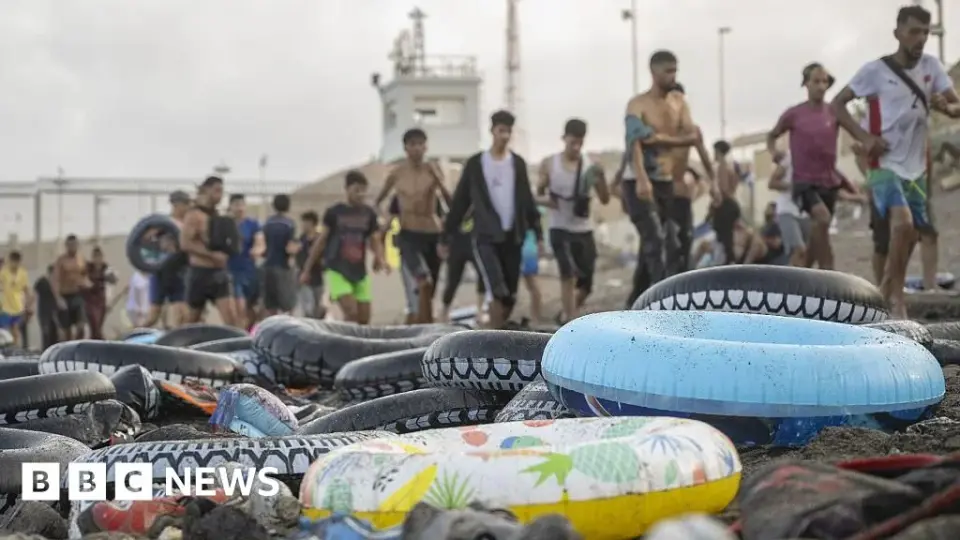
A BBC investigation reveals that interconnected Instagram accounts are actively recruiting and charging migrants to cross into Ceuta, contributing to a deadly influx. These 'Haraga' profiles use algorithmic manipulation to spread misleading content about the safety of the swim, while Morocco has since deployed naval and police forces to prevent further mass crossings.
Key points
- BBC investigation found dozens of interconnected Instagram profiles offering paid advice for crossing into Ceuta, charging around 5,000 dirhams ($400).
- These accounts use 'mirage' content to portray the crossing as easy and safe, despite high drowning rates and the fact that most arrivals are returned to Morocco.
- Morocco has mobilized hundreds of police officers and eight naval vessels near the border to prevent a new mass crossing, following online calls for a gathering on August 15.
- The crisis has intensified diplomatic tensions between Spain and Morocco, with Rabat renewing its claim to the enclave and Madrid insisting on its sovereignty.
Background
The current crisis follows a massive influx in late July 2026, where approximately 78,000 migrants arrived in Ceuta, resulting in at least 100 deaths. This event sparked a broader EU border dispute, leading Spain to reinstate border checks with Italy in August. The BBC's investigation highlights how social media platforms are now being used to facilitate and profit from these dangerous migration routes.
How outlets are covering it
The BBC emphasizes the role of algorithmic manipulation and paid smuggling networks in driving the crisis, noting that Meta has since removed several offending accounts. AP News focuses on the immediate security response, highlighting Morocco's beefed-up border controls and the ongoing diplomatic friction. Business Insider Africa provides a broader strategic context, noting that Morocco is a key EU partner for migration control, with the EU having committed over €800 million in aid packages since 2015 to manage these flows.
Why it matters
This story illustrates how social media algorithms can be exploited to facilitate real-world harm, specifically human smuggling and dangerous migration. It also highlights the complex geopolitical tensions between the EU and North Africa, where migration control is a primary lever for diplomatic and economic influence.
What to watch
Authorities in both Spain and Morocco are monitoring the situation for any new attempts at mass crossings. The EU is expected to continue its support for Morocco's border management efforts, while diplomatic negotiations over the status of Ceuta and Melilla remain unresolved.
- Instagram accounts fuel Ceuta crisis with paid advice for help to cross BBC
- How Social Media Spurred a Refugee Crisis Between Spain and Morocco The New York Times
- Opinion | Spain’s Migration Invasion Wasn’t Normal WSJ
- Morocco beefs up security at Ceuta and Melilla borders after online calls for new crossings apnews.com
- Morocco mobilises hundreds of police and eight naval vessels ahead of possible mass crossing into Ceuta Business Insider Africa
Want the full story? Read the original reporting
Read on BBC