
Hormuz Tanker Attacks Hit Wartime Peak as US Strikes Blockade Violator
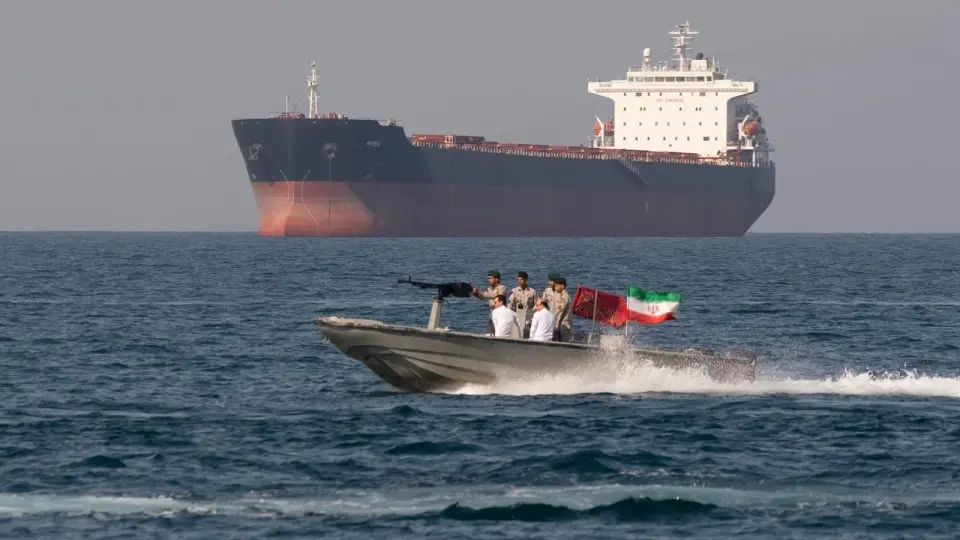
Iranian attacks on tankers in the Strait of Hormuz have reached their highest weekly level since the war began in February, with eleven vessels struck in the week ending October 4. This surge coincides with a rebound in crude exports to pre-war levels, aided by US military escorts. On October 10, US Central Command disabled a Panama-flagged merchant vessel attempting to bypass the naval blockade on Iranian ports. Meanwhile, Iranian state media reported a tanker hit by a naval mine in the strait. Twelve sailors were injured in a Monday projectile strike, and at least nine have died in ship attacks since July. Crude flows through Hormuz have pulled back to 8.5 million barrels per day, 40% below normal, despite diplomatic talks aiming to reopen the strait within seven days.
Key points
- Eleven tankers were attacked in the Strait of Hormuz during the week ending October 4, the highest number since the war began in late February, according to the International Maritime Organization.
- Twelve Indian sailors were injured on Monday when a projectile struck the UAE-owned tanker On Peace as it transited the strait.
- US Central Command disabled the Panama-flagged merchant vessel Ocean Molica on October 10 after it ignored warnings and attempted to bypass the naval blockade on Iranian ports.
- Crude exports through Hormuz fell to 8.5 million barrels per day, about 40% below pre-war levels, as attacks increased, though Middle East exports overall remained 10% below pre-war averages.
- Iranian state media reported that an oil tanker hit a naval mine in the Strait of Hormuz, while the IRGC warned it would block all 'illicit routes' through the waterway.
- At least 24 sailors have died in attacks on 100 commercial ships in the region since the war began in February, according to the IMO.
Background
The current surge in attacks follows a period of escalating tensions in late September and early October. In early October, Iranian forces struck two commercial tankers outside the Strait of Hormuz, including the Acers near Qatar, signaling an expansion of the conflict beyond the strait. These incidents coincided with Tehran's declaration that it would close remaining transit routes, causing Brent crude to exceed $100 per barrel. Although a preliminary peace agreement collapsed in June, oil exports through the strait had recently averaged 12 million barrels per day, reaching approximately 80% of pre-war levels despite ongoing US naval protection and Iranian restrictions on specific transit routes. The US had announced it would not resume military strikes on Iran before the midterm elections, maintaining a blockade on Iranian ports while allowing oil to flow through the strait.
How outlets are covering it
CNBC emphasizes the surge in attacks as a response to the rebound in crude exports to pre-war levels, aided by US military escorts, and highlights the risk to commercial shipping. The Jerusalem Post focuses on the US military's enforcement of the naval blockade, detailing the disabling of the Ocean Molica and the broader impact on maritime security. Both outlets agree on the increased frequency of attacks but differ in emphasis: CNBC frames the situation as a conflict between Iranian aggression and US-protected trade, while the Jerusalem Post highlights the US military's active role in enforcing the blockade and the risks to commercial vessels attempting to bypass it. The Jerusalem Post also notes the IRGC's claim of control over the strait and the diplomatic talks aimed at reopening it, whereas CNBC focuses more on the immediate impact on oil flows and the safety of sailors.
Why it matters
The surge in attacks in the Strait of Hormuz threatens global oil supply chains and could further drive up crude prices, which have already exceeded $100 per barrel. The US military's enforcement of the naval blockade and the Iranian IRGC's warnings about blocking 'illicit routes' create a high-risk environment for commercial shipping. The potential for further escalation, including the use of naval mines and strikes on vessels outside the strait, could have significant economic and geopolitical implications. The diplomatic talks aimed at reopening the strait within seven days are critical to stabilizing the situation, but the current surge in attacks suggests that tensions remain high and the risk of further incidents is significant.
What to watch
The next 24-48 hours will be critical as the US and Iran continue diplomatic talks aimed at reopening the Strait of Hormuz within seven days. The US military is expected to maintain its blockade and escort ships through the strait, while the Iranian IRGC may continue to attack vessels it deems in violation of its transit rules. The frequency and severity of attacks on tankers will be a key indicator of the situation's stability. If the diplomatic talks fail, the risk of further escalation, including potential strikes on US or allied vessels, could increase. The impact on oil prices and global supply chains will depend on the outcome of these talks and the level of maritime security in the region.
- Tanker attacks in Strait of Hormuz surge to wartime high as Iran tries to choke off oil exports CNBC
- Vessel struck by unknown projectile off UAE coast amid surge in attacks, UKMTO says Reuters
- Tanker hit as Iran expands strikes; Iran-backed Houthis hit Saudi airport NewsNation
- Tanker Attacks Push Deeper Into Gulf, Rattle Oil Markets WSJ
- Oil tanker explodes after striking naval mine in Hormuz, IRGC claims - report The Jerusalem Post
Want the full story? Read the original reporting
Read on CNBC