
Amnesty names 87 officials in Iran’s 2022 protest crackdown as anniversary strikes erupt
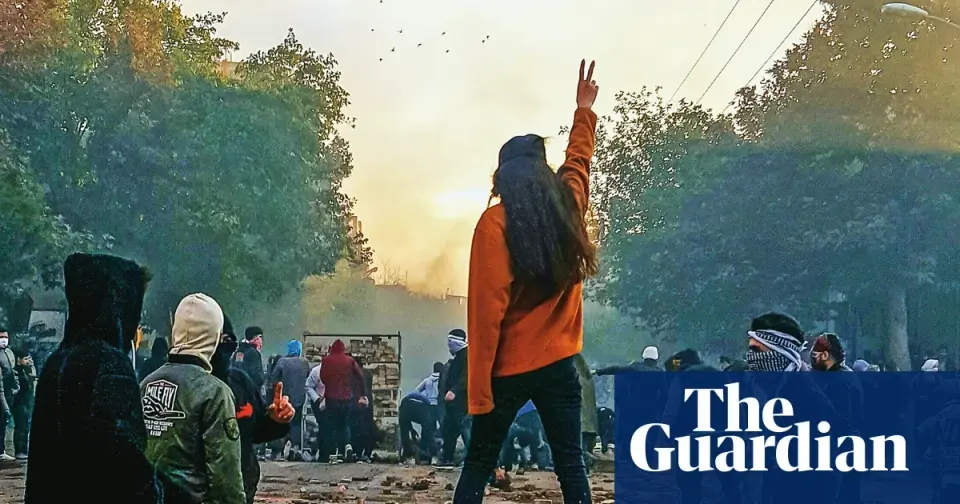
Amnesty International has released a report detailing coordinated state violence during the 2022 Iranian protests, naming 87 officials for potential crimes against humanity. The findings coincide with the fourth anniversary of Mahsa Amini’s death, marked by widespread strikes and security deployments in western Iran.
Key points
- Amnesty International verified 377 deaths and 16 cases of sexual abuse during the 2022 'Woman, Life, Freedom' uprising, citing leaked state orders for 'merciless' responses.
- The report identifies 87 Iranian officials, including former Supreme Leader Ali Khamenei and current IRGC commander Ahmad Vahidi, as responsible for coordinating the crackdown.
- On September 16, 2026, security forces deployed heavily in western Iranian cities like Saqqez and Kermanshah as businesses closed in solidarity with the anniversary of Amini’s death.
- Amnesty argues that impunity for the 2022 violence emboldened the state to commit even more severe atrocities during the January 2026 protests, which resulted in thousands of deaths.
Background
The 2022 uprising began after the death of 22-year-old Kurdish woman Mahsa Amini in morality police custody. While earlier archive items highlight ongoing tensions, including US-Iran naval incidents and the torture of twin sisters Taraneh and Romina Rahimi, the current focus is on the long-term accountability for the 2022 events and the cultural shifts that followed. The January 2026 protests, referenced in the sources, represent a subsequent escalation of unrest that Amnesty links directly to the lack of justice for the 2022 victims.
How outlets are covering it
The Guardian and Amnesty International emphasize the hierarchical nature of the violence, highlighting leaked documents that ordered lethal force and naming specific high-ranking officials. Al Jazeera focuses on the enduring social changes, noting that while the mandatory hijab law remains, enforcement has become inconsistent due to war conditions and public resistance. Iran International provides ground-level reporting on the September 2026 anniversary, detailing the economic strikes and the heavy military presence in Kurdish provinces, contrasting the government's narrative of stability with the reality of widespread civil disobedience. While Amnesty calls for international criminal justice, Al Jazeera notes the government's suspension of harsh hijab enforcement, suggesting a pragmatic retreat rather than a policy change.
Why it matters
This report underscores the persistent cycle of repression and resistance in Iran, linking the 2022 uprising to the more violent January 2026 crackdown. The naming of specific officials, including those killed in recent conflicts, highlights the ongoing legal and political vacuum regarding accountability. The anniversary strikes demonstrate that the 'Woman, Life, Freedom' movement has evolved into a sustained form of civil disobedience that challenges the Islamic Republic's authority despite severe state repression and a state of war.
What to watch
Amnesty International is urging UN member states to establish an international criminal justice mechanism to prosecute the named officials. Meanwhile, the Iranian government faces continued internal pressure from periodic strikes and dress-code defiance, while navigating external threats and a state of war. The suspension of the harsh hijab bill by President Masoud Pezeshkian suggests a potential shift in enforcement tactics, though security forces continue to monitor and arrest individuals for dress code violations in key cities.
- Iranian security forces coordinated killing, torture and sexual abuse of protesters, says Amnesty The Guardian
- Demand International Justice for Crimes Against Humanity in Iran Amnesty International
- Four years on, Iranians reflect on impact of ‘Woman, Life, Freedom’ Al Jazeera
- Security forces deploy as shops in western Iran strike on Mahsa Amini anniversary Iran International
- Trump Went to War With Iran. One Woman’s Death Shook the Regime More. Newsweek
Want the full story? Read the original reporting
Read on The Guardian