
2026 European Heatwaves Trigger Historic Agricultural Collapse and Corporate Adaptation
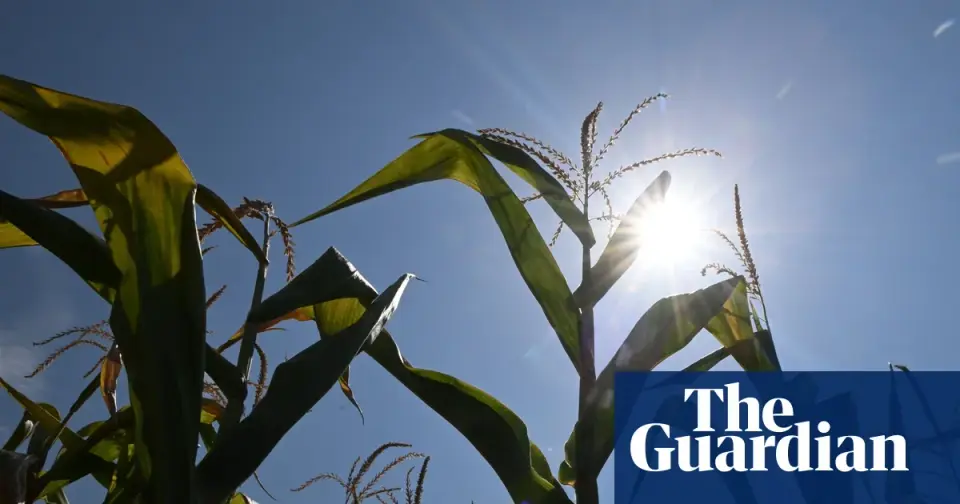
Successive heatwaves and severe drought in 2026 have caused an unprecedented crisis for European farmers, with harvests plummeting and livestock yields dropping. While agricultural sectors in France, Italy, and Spain face catastrophic losses and government aid, corporate leaders are split on whether this represents a temporary anomaly or a permanent shift in business operations.
Key points
- France’s maize harvest is estimated to fall by 35% to 9 million tonnes, a level not seen since 1980, while vegetable yields have dropped significantly across multiple crops.
- Italy faces a sector cost exceeding €3 billion, with 60% of farmland affected by drought and milk production down by 20%.
- Spain’s cereal harvests are down by 24% to 49% depending on the region, and wine production is predicted to fall by 20%.
- French Prime Minister Sébastien Lecornu has pledged €145 million in immediate aid, with further structural support planned for the 2027 budget.
- Corporate responses vary: some firms report surges in demand for cooling products, while others view the heat as a temporary disruption.
Background
This crisis follows a pattern of increasing extreme weather events in Europe. Previous coverage has highlighted localized agricultural challenges, such as PFAS contamination in Maine and hydatid disease concerns in Wales, but the 2026 event is distinct in its continent-wide scale and simultaneous impact on multiple major agricultural regions.
How outlets are covering it
The Guardian emphasizes the 'unprecedented' and 'catastrophic' nature of the agricultural crisis, focusing on specific yield reductions and government aid. The Financial Times highlights the broader economic impact, noting that extreme weather was mentioned on a record share of earnings calls, with companies divided on whether this is a 'new normal' or an aberration. CNN’s source was inaccessible due to a technical error, so its perspective could not be synthesized.
Why it matters
The 2026 heatwaves threaten food security and economic stability across Europe, forcing governments to allocate significant funds and compelling businesses to adapt their models. The divergence in corporate responses indicates a lack of consensus on the long-term trajectory of climate impacts, which could influence future investment and policy decisions.
What to watch
Governments will likely implement the promised aid packages and structural support measures. Businesses may continue to adapt their operations, with some accelerating investments in climate resilience while others maintain their current strategies. The outcome will depend on whether the 2026 heatwaves are a one-off event or the beginning of a new era of extreme weather.
- European farmers face ‘unprecedented crisis’ after successive heatwaves | Farming The Guardian
- Why Europe Keeps Being Pummeled by Heat Waves The New York Times
- Climate damage: the next hit to Europe's public finances Reuters
- Europe’s economy faces a one-two punch from extreme weather and war | CNN Business CNN
- European companies count the costs and gains of extreme heat Financial Times
Want the full story? Read the original reporting
Read on The Guardian