Successive heatwaves and severe drought in 2026 have caused an unprecedented crisis for European farmers, with harvests plummeting and livestock yields dropping. While agricultural sectors in France, Italy, and Spain face catastrophic losses and government aid, corporate leaders are split on whether this represents a temporary anomaly or a permanent shift in business operations.
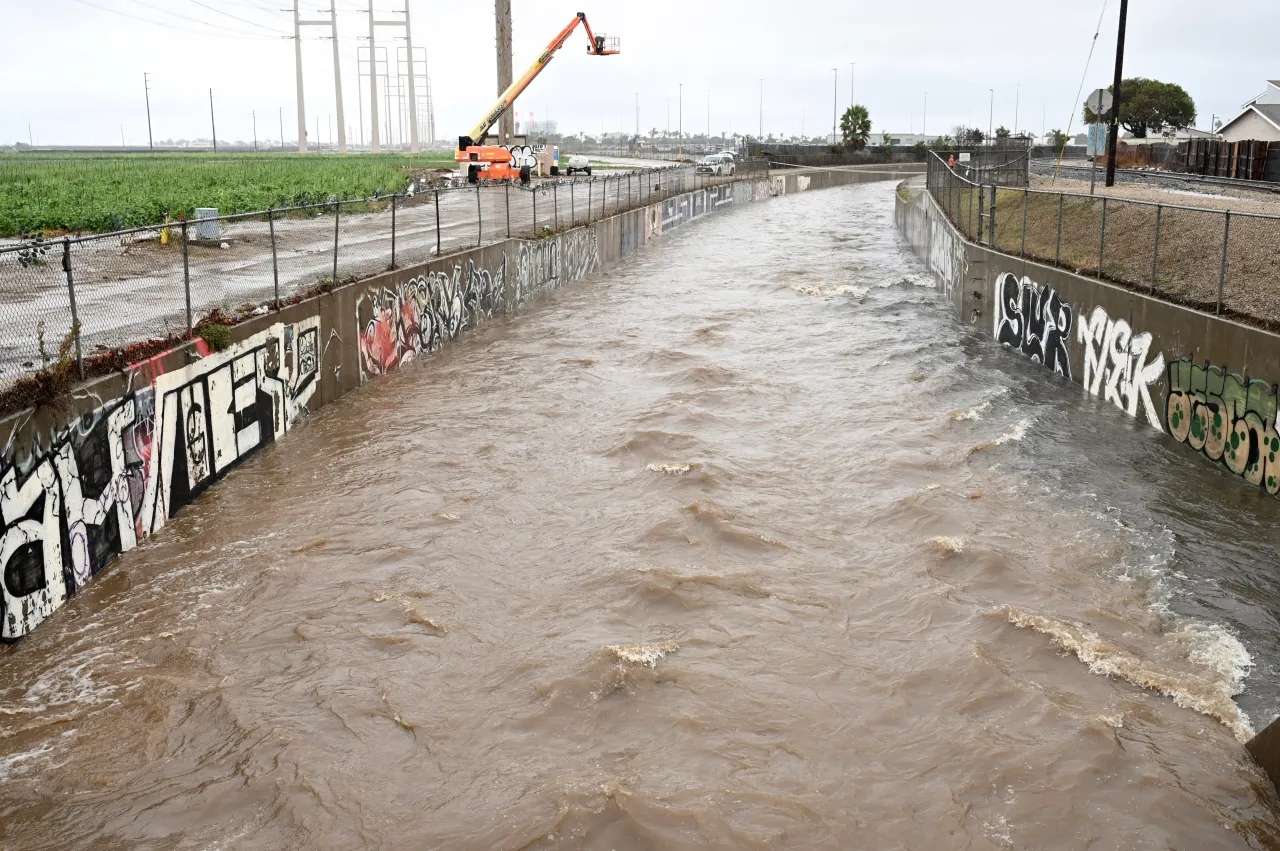
Despite record-breaking rainfall in California, 80% of the water is lost to the oceans due to inadequate infrastructure, highlighting the state's unpreparedness for the ongoing drought crisis. The report raises questions about the allocation of resources, with significant investments in renewable energy projects but minimal spending on water infrastructure, emphasizing the need for a balanced approach to addressing the consequences of a changing climate.
The Colorado River is facing one of the worst megadroughts in 1,200 years, with record-low water levels threatening essential water supplies across nine states in the US and Mexico. The Biden administration has taken steps to address this crisis, including deploying billions of dollars in funding for water infrastructure improvements and conservation efforts. Short-term measures have helped stave off immediate system crashes, while long-term plans are being developed to enhance system efficiency and sustainability. Collaborative efforts have already conserved more water in Lake Mead this year than in the past 30 years. The next iteration of guidelines and strategies governing the Colorado River will be developed collaboratively and transparently, with input from states, tribes, and other stakeholders. Protecting the stability and sustainability of the Colorado River is crucial for the entire country, as it supports agriculture, businesses, renewable energy, and climate resiliency.