
Social Media Fuels Deadly 'Genital Theft' Rumors Across Africa
Over 80 people have been killed in Africa since October 2025 due to violent mob attacks fueled by false rumors that a simple touch can cause men's genitals to vanish. The BBC Global Disinformation Unit found that these attacks, rooted in old superstitions, were amplified by viral videos on TikTok and Facebook. The violence spread from the Democratic Republic of Congo to Mozambique, Tanzania, and Kenya, causing panic and leading to the deaths of health workers and civilians. Authorities are now using public awareness campaigns and police patrols to counter the misinformation, while platforms face pressure to remove harmful content.
Key points
- More than 80 people were killed between October 2025 and July 2026 in six African countries following false accusations of 'genital theft.'
- The rumors, which claim that touching a stranger causes a man's genitals to shrink or disappear, were amplified by viral videos on social media platforms like TikTok and Facebook.
- Mozambique was the hardest-hit country, with 55 people killed in six weeks, including a police officer and health workers, leading to the closure of health facilities in Cabo Delgado province.
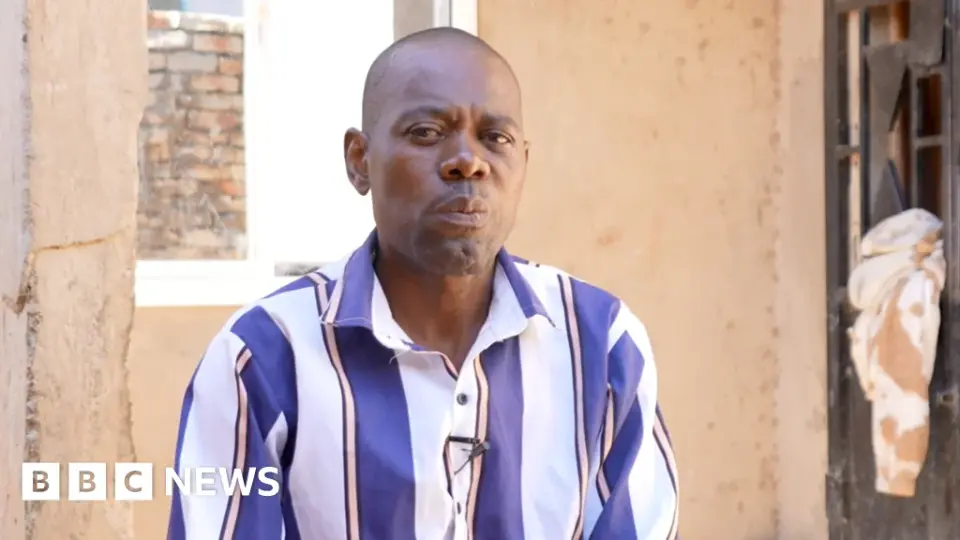
- In Tanzania, a mechanic named Boniface Mgala was severely beaten by a mob in April after being falsely accused, resulting in permanent injuries and the death of his friend.
- Authorities in Kenya and Tanzania have made arrests and launched public awareness campaigns, with some officials linking the panic to Koro syndrome, a mental illness involving genital retraction hysteria.
Background
This incident follows a pattern of deadly misinformation trends on social media, such as the wrong-way driving trend in the UK and Ireland and the Benadryl Challenge in the US, which have also led to fatalities and prompted platform and government responses. The current crisis highlights how digital amplification can turn local superstitions into widespread, lethal violence across borders.
Why it matters
The spread of violent misinformation on social media poses a severe threat to public safety and health systems in Africa. The inability to control the rapid dissemination of false claims through digital platforms has led to the loss of innocent lives and the disruption of essential services, such as healthcare, in affected regions. This highlights the urgent need for coordinated efforts between governments, health officials, and tech companies to combat harmful content and prevent further violence.
What to watch
Authorities in affected countries are continuing to launch public awareness campaigns and increase police patrols to deter mob violence. Social media platforms are under pressure to remove content that violates their policies, though some harmful videos remain online. The focus will likely shift toward addressing the root causes of the panic, including mental health issues like Koro syndrome, and holding content creators accountable for spreading misinformation for engagement.
Want the full story? Read the original reporting
Read on BBC