
Russia Denies Plague Lab Accident as US Monitors Death of Siberian Researcher
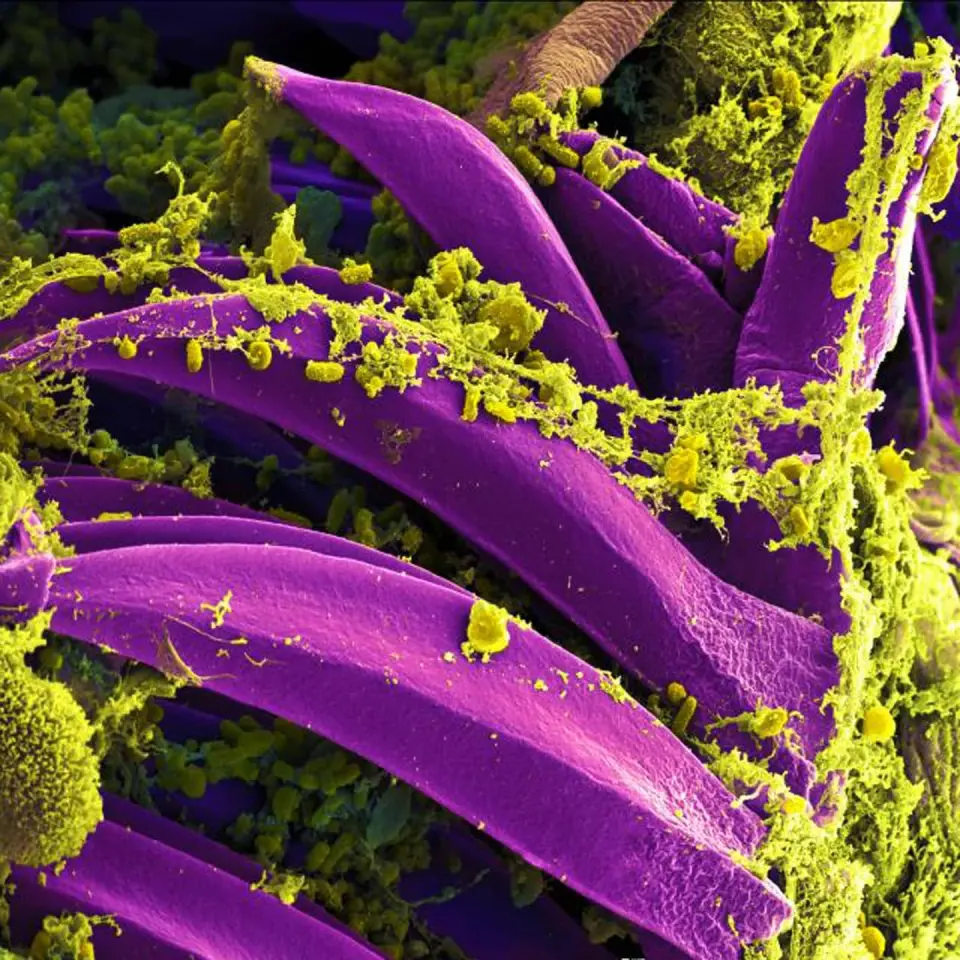
A 28-year-old researcher at a Siberian anti-plague institute died of pneumonia, sparking international concern over a potential pneumonic plague outbreak. While Russian authorities deny a lab accident and attribute the death to an 'unknown origin,' the US and WHO are closely monitoring the situation. Experts note that while pneumonic plague is deadly if untreated, it is highly treatable with antibiotics and spreads less easily than COVID-19.
Key points
- Darya Shipilova, a 28-year-old lab technician at the Irkutsk Antiplague Research Institute, died in early October after reportedly breaking a test tube containing Yersinia pestis bacteria.
- Russian health agency Rospotrebnadzor denies a lab accident, stating the death was due to 'pneumonia of unknown origin' and that no dangerous pathogens were found in nearly 200 tested contacts.
- Pneumonic plague is the most virulent form of plague, transmissible person-to-person via respiratory particles, and is fatal if untreated but highly treatable with antibiotics within 24 hours of symptom onset.
- US Secretary of State Marco Rubio stated the situation is not cause for alarm but requires close monitoring, citing limited travel between the US and Russia.
- The WHO is in contact with Russian authorities to verify the cause of death and assess international public health implications, stating the current risk to the general population appears low.
Background
This incident follows a period of heightened scrutiny on Russian public health transparency, particularly after the 2026 parliamentary elections where the Kremlin tightened control over information and opposition. The Irkutsk institute, established in the 1930s, specializes in highly dangerous diseases, making lab safety a critical concern. Previous US-Russia health cooperation has been strained, but the current monitoring reflects a shared interest in preventing cross-border transmission, especially given the last US pneumonic plague death in Arizona in July 2025.
How outlets are covering it
Russian authorities, including Kremlin spokesman Dmitry Peskov and Rospotrebnadzor, downplayed the incident, denying a lab accident and attributing the death to 'pneumonia of unknown origin.' They emphasized that no dangerous pathogens were found in contacts and urged the public to rely on official information. In contrast, US officials, including Secretary of State Marco Rubio and former pandemic response lead Ashish Jha, expressed concern about transparency, urging Russia to share more information. The WHO took a neutral stance, stating the risk to the general population appears low but calling for verification. CNN and CBS News highlighted the discrepancy between initial local warnings and subsequent official denials, while The Washington Post focused on the technical aspects of pneumonic plague and its treatability.
Why it matters
The incident highlights the ongoing challenges in global health surveillance and the importance of transparent reporting from national health authorities. While pneumonic plague is highly treatable, its potential for person-to-person transmission and rapid onset of symptoms make it a significant public health concern. The international response underscores the need for cooperation in monitoring and containing potential outbreaks, especially in regions with limited travel connections but high-risk laboratory environments.
What to watch
The WHO expects to update its risk assessment once Russian authorities confirm the cause of death through lab and tissue samples. US and international health agencies will continue to monitor the situation, particularly for any secondary cases or changes in the health status of the nearly 200 contacts under observation. If confirmed as pneumonic plague, Russia is required to report the case to the WHO, which may trigger further international health measures and transparency demands.
- What is pneumonic plague, and how will we know if it’s spreading in Russia? The Washington Post
- What is pneumonic plague and how dangerous is it? CNN
- Trump Says He Is Concerned About Russian Plague Lab Death Forbes
- Dozens quarantined in Siberia after plague institute lab worker dies Reuters
- Russia plays down plague fears and denies lab accident, says scientist died of "pneumonia of unknown origin" CBS News
Want the full story? Read the original reporting
Read on The Washington Post