
WHO Warns Winter Rains Will Trigger Disease Outbreaks in Gaza Amid Water Crisis
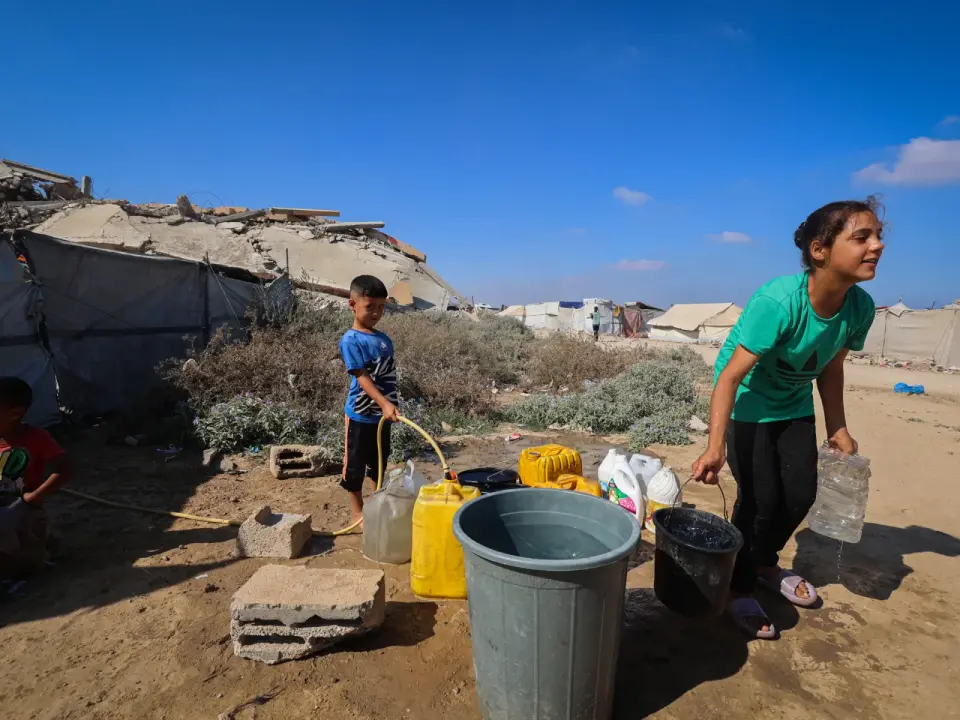
The World Health Organization (WHO) warned that the approaching rainy season in Gaza will exacerbate a severe public health crisis. Microbiological water contamination has nearly tripled since January, and acute diarrhea cases have doubled. With infrastructure destroyed and humanitarian supplies blocked, winter flooding threatens to spread sewage into overcrowded shelters, risking widespread disease outbreaks.
Key points
- Microbiological contamination in Gaza’s water rose from under 6% in January to over 18% in August 2026, based on 6,700 samples tested.
- Acute watery diarrhea cases nearly doubled, rising from approximately 27,000 in March to over 48,000 by August.
- WHO representative Reinhilde Van de Weerdt warned that winter rains will flood sewage and waste into areas where people sleep and cook, increasing waterborne disease risks.
- Over 6,600 amputees require long-term care, but prosthetic devices and essential assistive items have not entered Gaza since May 2024.
- The WHO called for unimpeded entry of humanitarian supplies, including laboratory reagents, permanent shelter materials, and sustainable water management systems.
Background
Gaza’s health system has been severely degraded since October 2023, with extensive destruction of medical facilities and infrastructure. Recent strikes on medical warehouses in August 2026 further depleted essential supplies. The current crisis builds on a pattern of blocked humanitarian aid and deteriorating living conditions, with the WHO noting that water access has been weaponized, destroying nearly 90% of water and sanitation infrastructure.
How outlets are covering it
All sources agree on the core data: water contamination has tripled, and diarrhea cases have doubled. Al Jazeera and Fana News emphasize the immediate threat of winter flooding spreading sewage into shelters. Palestine Chronicle highlights the specific lack of assistive devices for amputees, noting that none have entered since May 2024. Middle East Eye provides additional detail, stating that only 12% of 4,600 patients who lost limbs since October 2023 have received prosthetics. While Al Jazeera and Fana News focus on the environmental and disease risks, Palestine Chronicle and Middle East Eye draw attention to the long-term neglect of disabled populations and the failure of aid mechanisms.
Why it matters
The convergence of deteriorating water quality, overcrowded living conditions, and blocked humanitarian aid creates a high risk for a mass disease outbreak. Without immediate intervention, the health system, already strained by previous destruction, may collapse entirely, leading to preventable deaths and long-term disability among vulnerable populations.
What to watch
The WHO is urging for the immediate and unimpeded entry of medical supplies, laboratory reagents, and materials for permanent shelter. If aid remains blocked, the organization expects a surge in waterborne diseases and respiratory illnesses as winter rains and mold affect temporary shelters. The situation will likely worsen if the blockade on essential supplies continues.
- Health crisis looming as Gaza heads towards rainy season, warns WHO Al Jazeera
- Gaza Water Contamination Nearly Triples as WHO Warns of Disease Outbreaks Palestine Chronicle
- WHO raises concerns over amputees and deteriorating water quality in Gaza Middle East Eye
- WHO Warns of Proliferation of Further Diseases in Gaza as Rainy Season Approaches Fana News -
- WHO warns of deteriorating water quality, rising disease risks in Gaza ahead of winter Ednews.net
Want the full story? Read the original reporting
Read on Al Jazeera