
European Dockworkers Halt Operations to Protest Middle East Arms Shipments
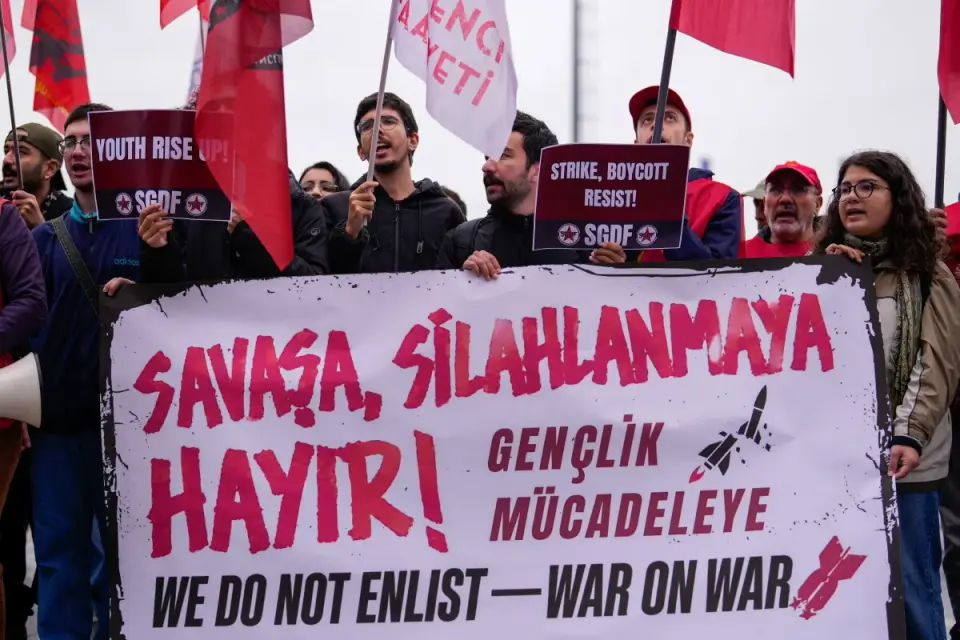
International dockworkers in Europe and beyond staged coordinated strikes on November 1, 2026, to protest arms shipments to the Middle East and demand better working conditions. Unions in France, Italy, Greece, Spain, Turkey, and Morocco called for an end to the militarization of ports, with over 100 ports participating. While the action disrupted local operations, experts predict limited impact on global supply chains due to the short duration of the strike.
Key points
- Unions in six countries issued a joint call to end wars in the Middle East, including Gaza, and stop the militarization of ports.
- Over 100 ports across Europe, the Mediterranean, and North America joined the protests, with varying levels of participation from full-day strikes to shorter walkouts.
- In Greece, dockworkers struck at Piraeus, the country's largest port, while a separate seafarers' strike disrupted ferry services.
- Italy saw demonstrations in Genoa, Trieste, and Gioia Tauro coinciding with a nationwide general strike, though transport disruption was less than anticipated after the government ordered workers back.
- France's CGT federation called a one-day strike at major ports including Le Havre, Marseille, Dunkirk, and Rouen, opposing European policies and French budget proposals that threaten social protections.
- Supply chain experts, including Marcus Baker of Marsh and Ed Anderson of the University of Texas, stated that a 24-hour strike is unlikely to cause significant global trade disruption or shortages, though it may affect perishable goods and time-sensitive shipments.
Background
This strike follows a similar coordinated action on October 30, 2026, where 113 ports across 22 countries staged a 24-hour halt under the slogan 'No Harbour for Genocide.' That earlier action also aimed to disrupt military logistics and link labor rights with anti-war activism, though experts then also predicted limited global economic impact. The current strike continues this trend of using port labor actions to protest Middle East conflicts, particularly the war in Gaza and broader militarization of trade routes.
Why it matters
The strike highlights the growing intersection of labor rights and geopolitical conflict, as dockworkers increasingly use their strategic position to protest arms shipments. While the immediate economic impact is expected to be limited, the action signals a broader trend of labor movements aligning with anti-war activism, potentially influencing future trade policies and military logistics in the region.
What to watch
The impact of the strike will depend on the level of participation across the 100+ ports involved. While experts predict limited global disruption, the action may worsen congestion at already strained ports like Genoa. The outcome could influence future labor policies and military logistics in the Middle East, particularly if the strike gains broader support or leads to policy changes in port operations.
Want the full story? Read the original reporting
Read on AP News