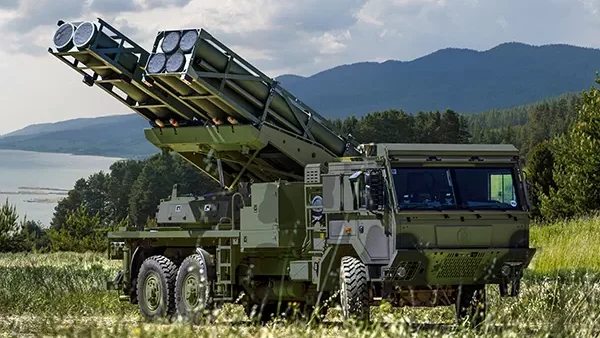
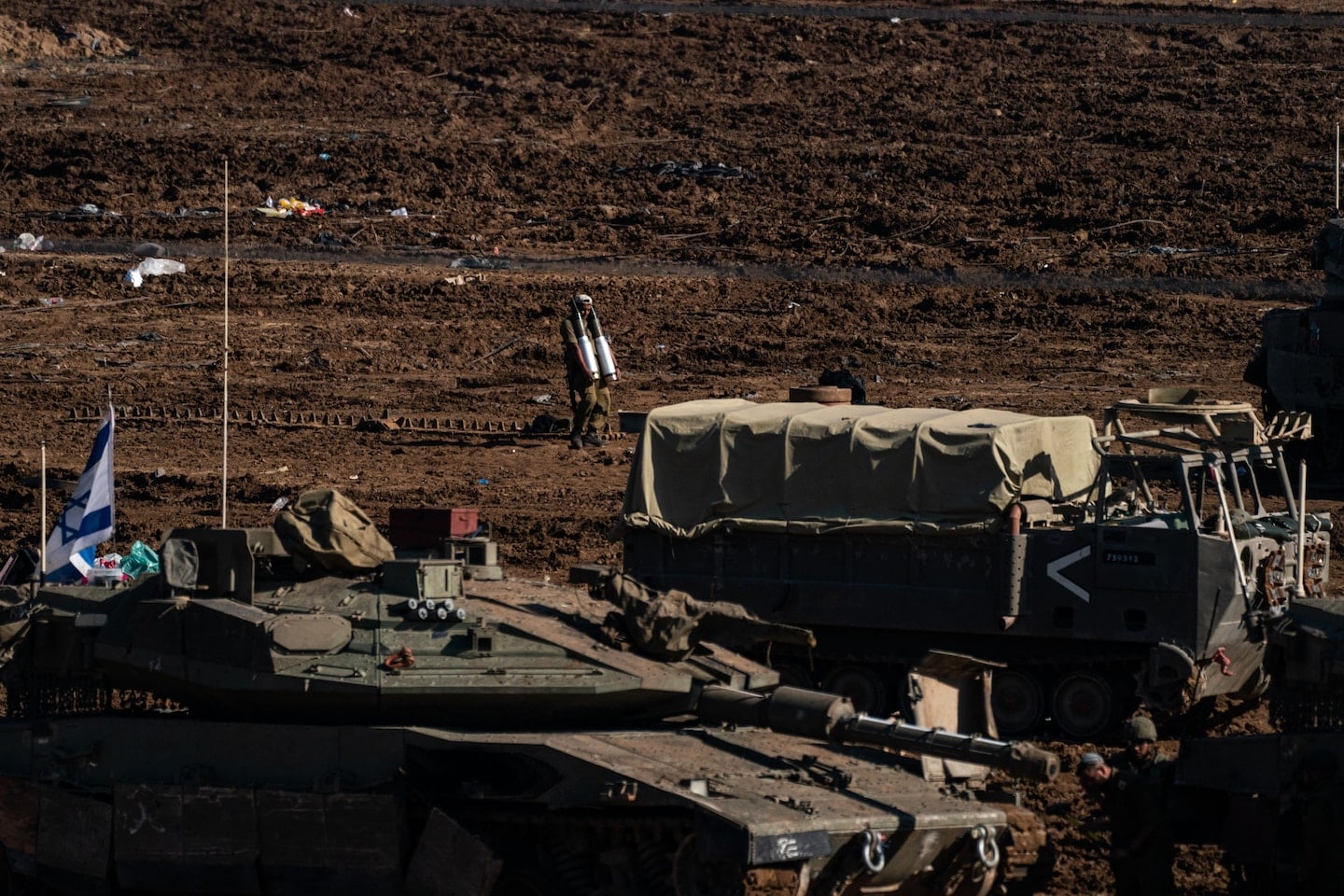
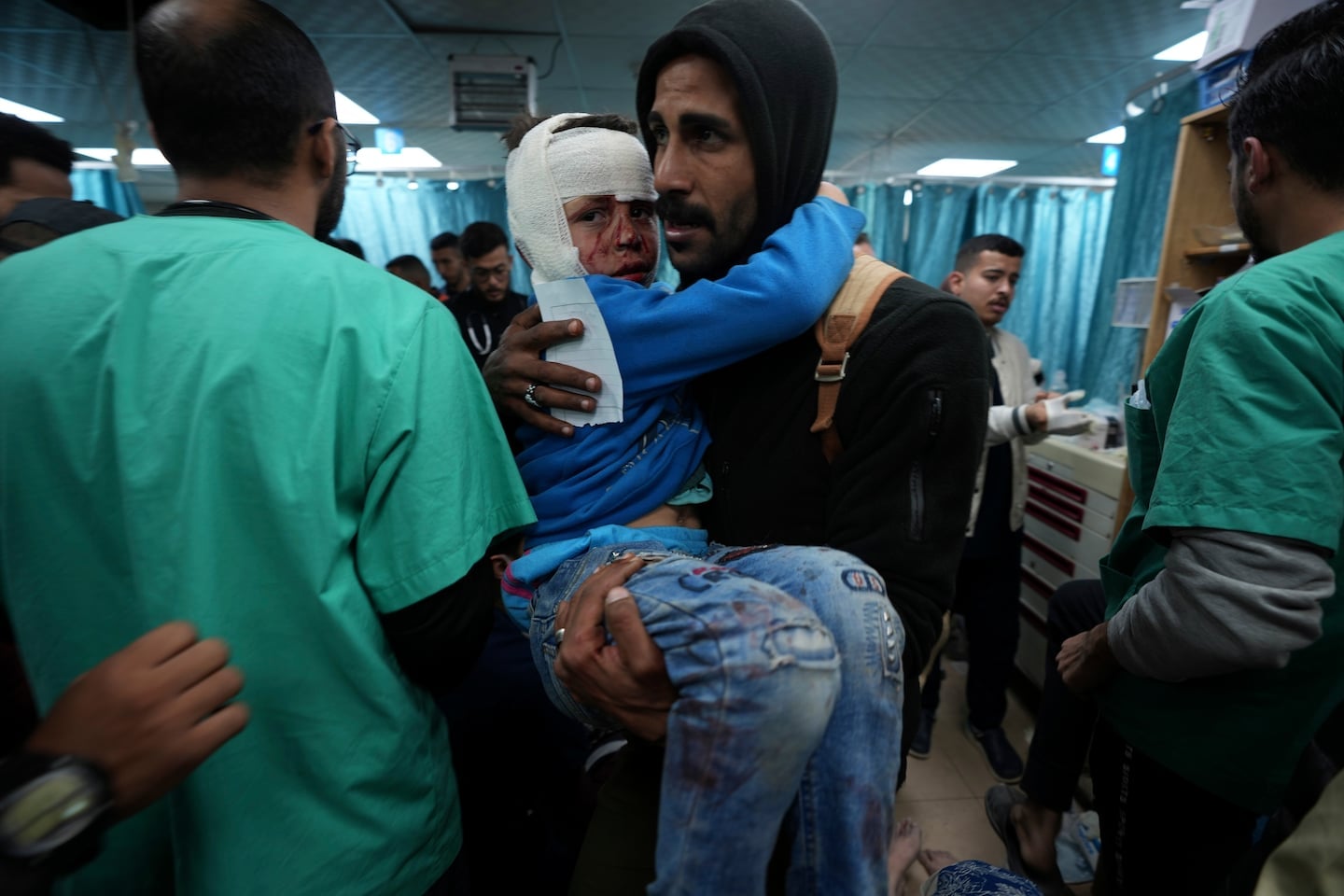
Spain has canceled an €697 million contract for the Israeli-backed SILAM rocket launcher system amid a broader move to impose an arms embargo on Israel, including bans on weapons sales and transit of military equipment through Spanish airspace and ports, as part of Spain’s response to the Gaza conflict and accusations of genocide by Israel.
Spain recalled its ambassador to Israel for consultations after Israeli Foreign Minister Gideon Sa'ar accused Spain of antisemitism and criticized its measures against Israel related to the Gaza conflict. The situation escalated amid Spain's plans to implement an arms embargo on Israel, and tensions increased with accusations of political bias and anti-Israel actions.
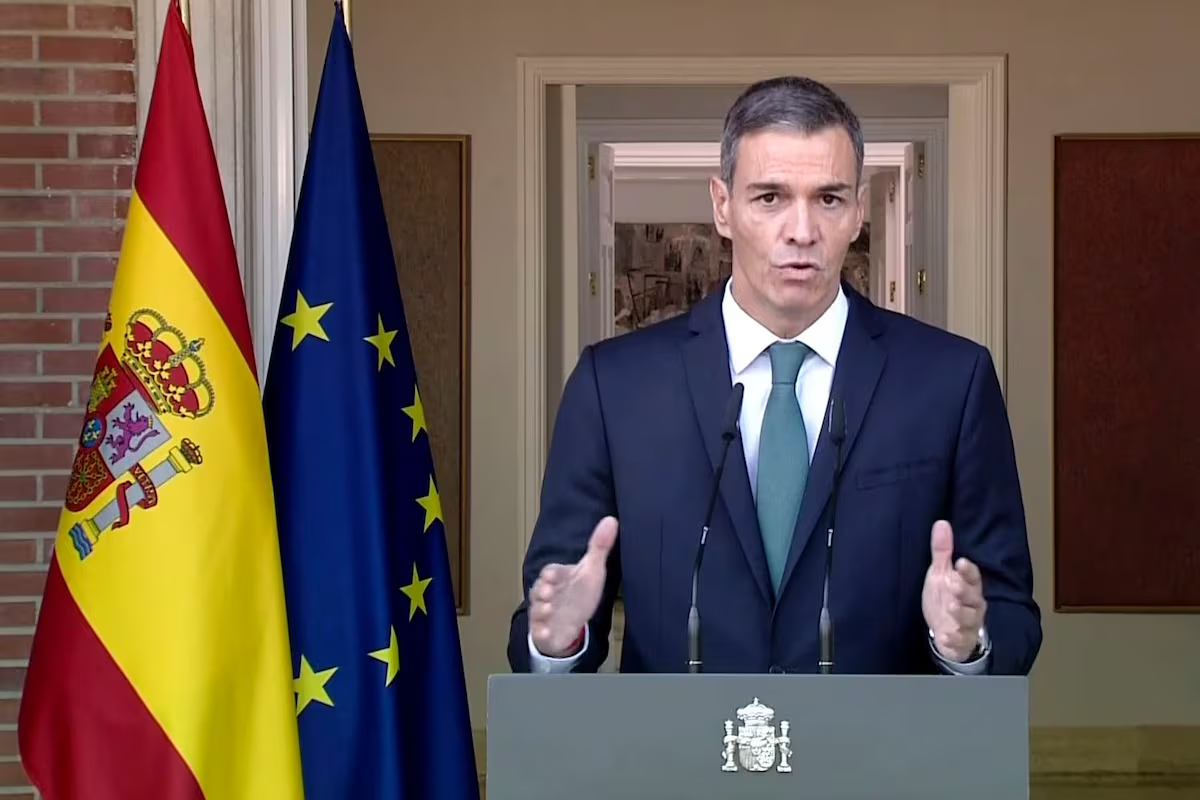
Spanish Prime Minister Pedro Sánchez announced a total arms embargo on Israel and labeled the attacks on Gaza as 'genocide,' implementing measures to support Palestinians and increase pressure on Israel, while emphasizing Spain's support for a two-state solution and condemning the violence.
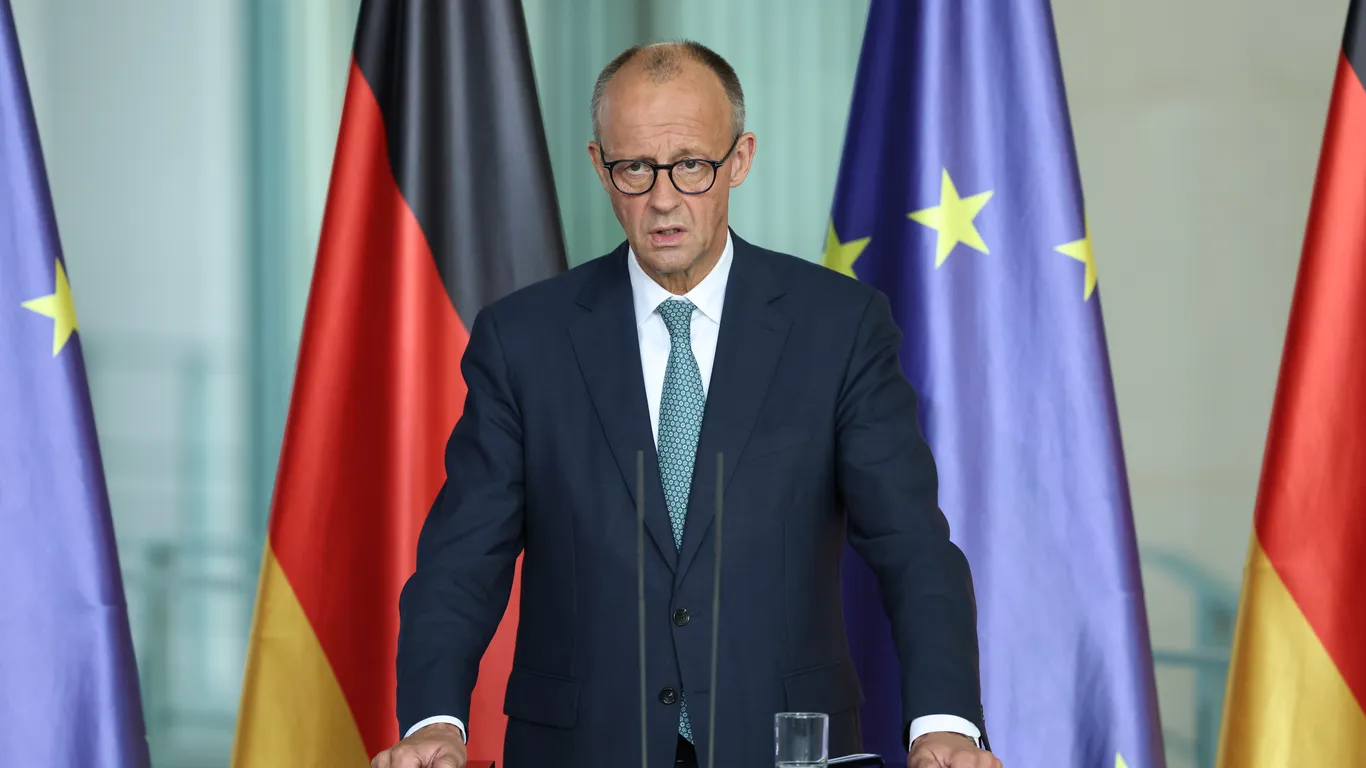
German manufacturer Renk is considering relocating its production of tank transmissions and engines for the Israeli military to the US following Germany's decision to halt arms exports to Israel amid the Gaza conflict, reflecting increasing international tensions and Germany's stance on the Israeli-Palestinian conflict.
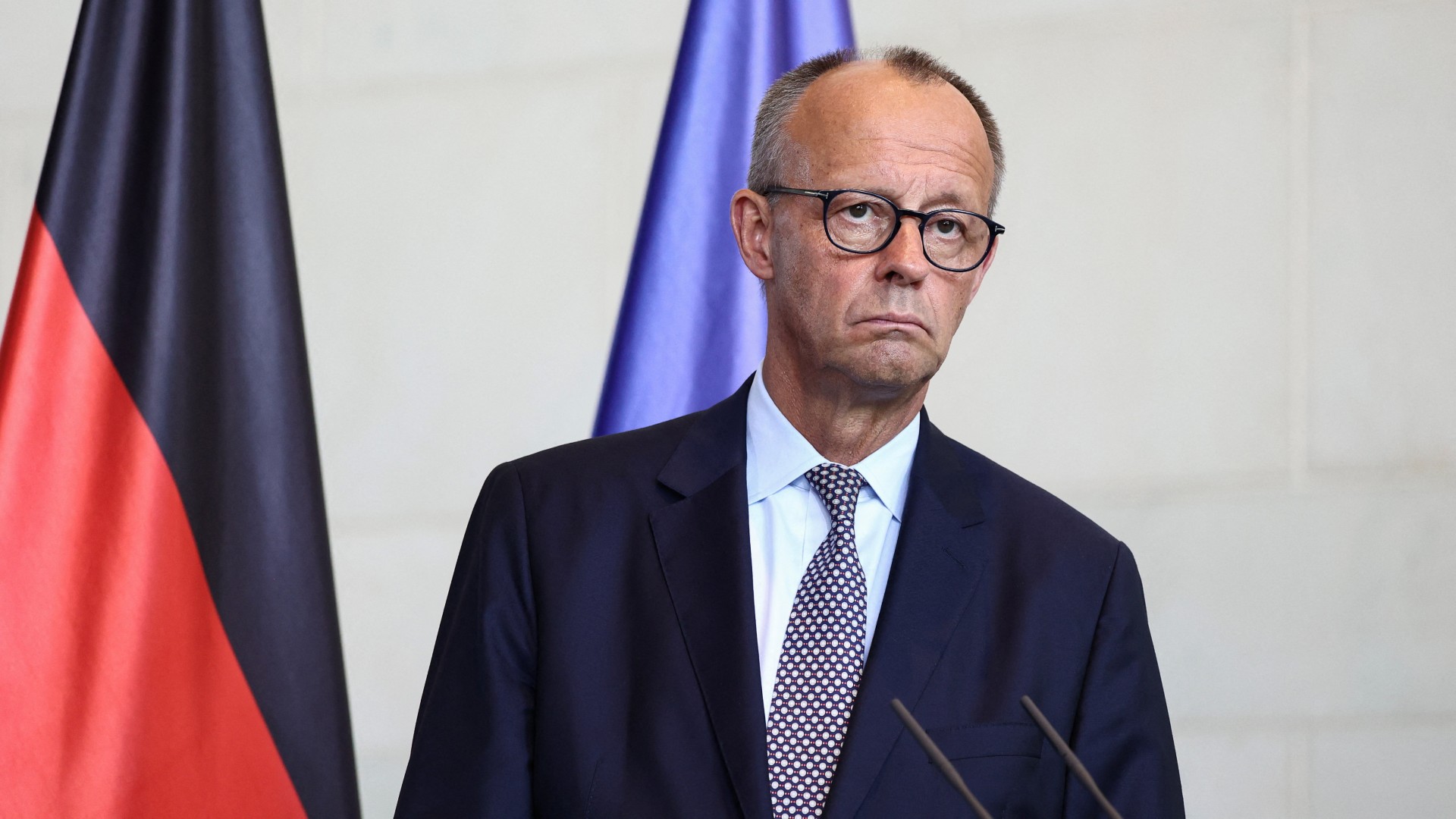
Germany announced a partial arms embargo on Israel in response to Israel's decision to launch a new offensive to occupy Gaza City, marking a significant shift in its stance and reflecting broader European distancing from Israel's government amid regional tensions.
Slovenia has become the first EU country to impose a comprehensive arms embargo on Israel due to its ongoing war in Gaza and has recognized Palestinian statehood, citing humanitarian concerns and internal disagreements within the EU as reasons for acting independently.
The US supports the extension of UN measures in South Sudan, including the arms embargo and Panel of Experts mandate, urging South Sudan's leaders to de-escalate violence, negotiate peace, and restore stability amid recent escalations and attacks on UN personnel.
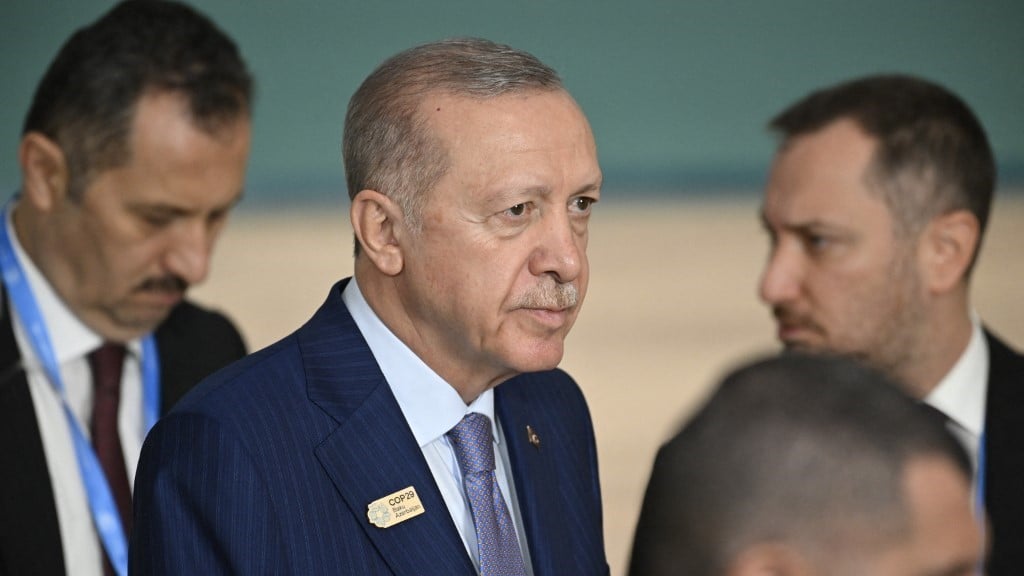
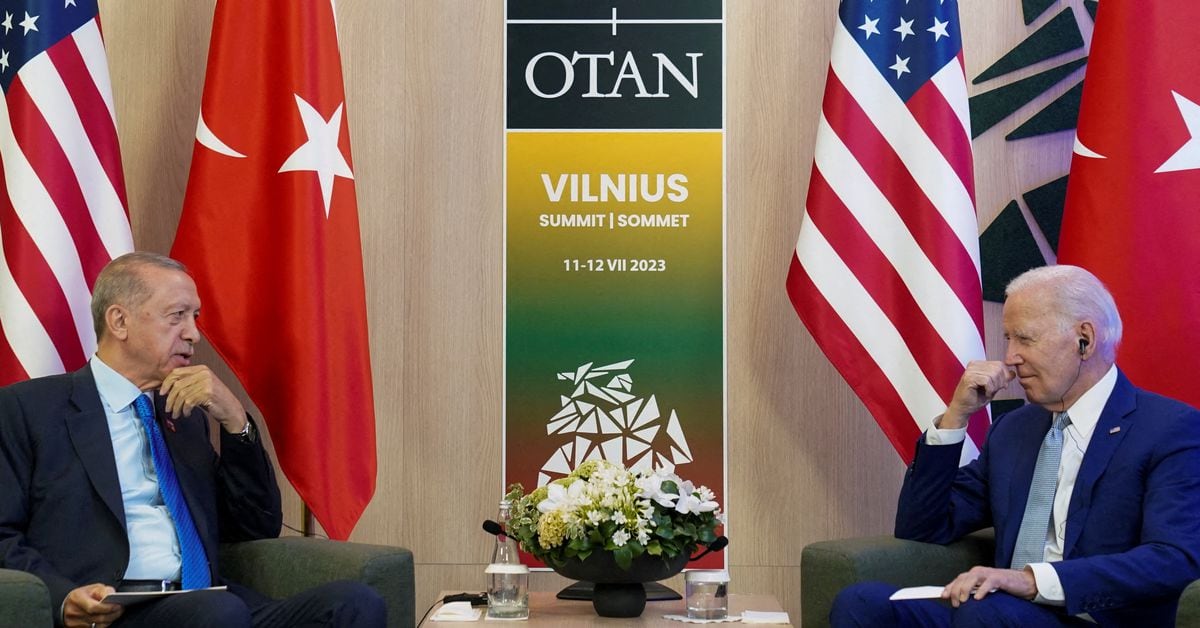
Turkey's President Recep Tayyip Erdogan announced that Turkey has severed all relations with Israel, stating that his government will not continue or develop ties with the country. This decision follows Turkey's criticism of Israeli actions in Gaza, which Erdogan and international human rights groups have labeled as genocide. Despite a trade embargo and recalling its ambassador, Turkey maintains diplomatic missions in Israel. Erdogan also seeks to hold Israeli Prime Minister Netanyahu accountable and has initiated an arms embargo against Israel, garnering support from 52 countries and two international organizations.
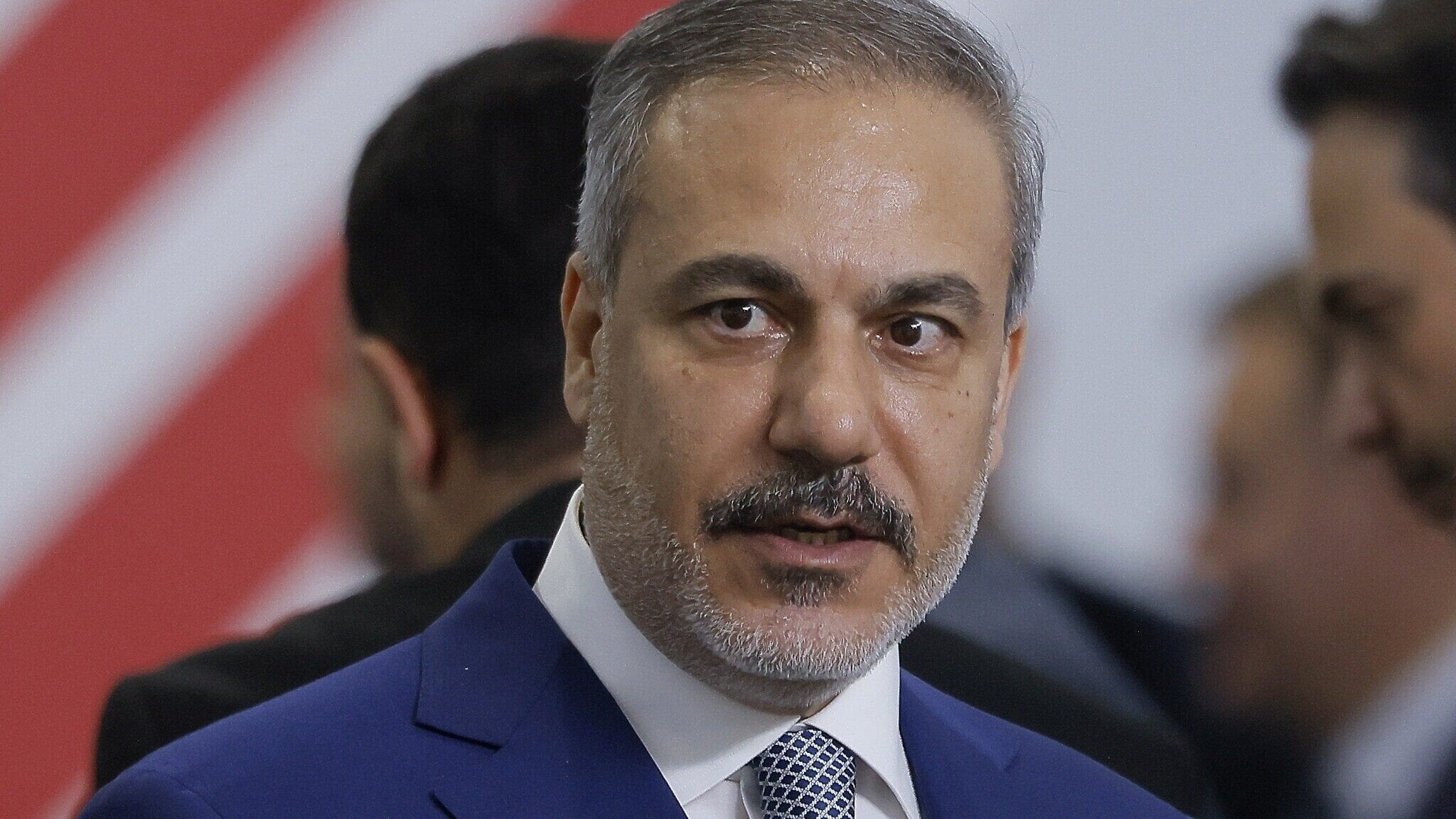
Fifty-two nations, led by Turkey, have called for a global arms embargo on Israel, accusing it of committing genocide against Palestinians in Gaza. The call was made through a letter to the UN, with Turkish Foreign Minister Hakan Fidan emphasizing that selling arms to Israel equates to participating in genocide. Despite this stance, Turkey continues to facilitate oil transit to Israel, which is vital for its military operations. Turkish exports to Palestine have surged, suggesting indirect trade with Israel. The situation highlights complex geopolitical dynamics and Turkey's controversial role.
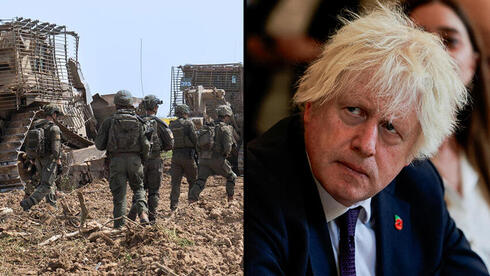
Former UK Prime Minister Boris Johnson strongly criticizes calls for an arms embargo on Israel, warning that it would be a "death wish of Western civilization" and could lead to a victory for Hamas. He argues that such a move would be detrimental to Israel's security and plays into Hamas' tactics of provoking a violent response and garnering international sympathy. Johnson acknowledges the need for an investigation into recent incidents but emphasizes the moral difference between Hamas and Israel.
Calls for an international arms embargo on Israel have gained momentum, with several European nations pausing weapon sales and key U.S. allies debating the issue. The United States and Germany, which supply almost all imported weapons to Israel, voted against a nonbinding resolution at the U.N. Human Rights Council. Pressure is mounting on both countries to stop arming Israel, with calls for specific, concrete, and measurable steps to address civilian harm and humanitarian suffering. While the U.S. and Germany expedited arms shipments for Israel after recent attacks, there are signs that leverage can work, as evidenced by Israel's war cabinet announcing new measures to allow more aid into Gaza after a phone call between President Biden and Israeli Prime Minister Netanyahu.
The UN has described the situation in Haiti as "cataclysmic" due to escalating gang violence, with over 1,500 people killed and more weapons pouring into the country. The report highlighted rampant sexual violence, recruitment and abuse of children by gangs, and the formation of "self-defence brigades" taking justice into their own hands. Despite an international arms embargo, weapons and ammunition continue to flow into the country, prompting calls for tighter controls. The UN also reiterated the need for an urgent deployment of a Multinational Security Support mission to help Haiti's police stop the violence and protect the population, while emphasizing the importance of addressing corruption and dysfunction in the justice system.
Canada announced an arms embargo on Israel while continuing to use Israeli weapons systems, including missiles, radars, and unmanned vehicles, worth more than a billion dollars over the last decade. This includes the purchase of advanced anti-tank missiles, armored personnel carriers, and radars for air and naval threats. Despite the embargo, Canada has a history of military cooperation with Israel, including leasing UAVs and purchasing command and control systems.
More than two dozen U.N. rights experts are calling for an arms embargo on Israel, citing the risk of genocide in Gaza and ongoing harm to civilians. The U.S. is facing scrutiny over its military aid to Israel, with four Senate Democrats urging the Biden administration to ensure aid does not worsen the situation. The U.N. Human Rights Office has issued a report calling for accountability for violations committed by all sides in Israel, Gaza, and the occupied West Bank, including unlawful killings and possible war crimes. Israeli Prime Minister Benjamin Netanyahu has proposed indefinite military control over Gaza, while U.S. Secretary of State Antony Blinken has stated that Israeli settlements in the West Bank are inconsistent with international law.
Turkish President Erdogan stated that positive developments regarding the US sale of F-16 fighter jets to Turkey and Canada's arms embargo would help Turkey's parliament consider ratifying Sweden's NATO membership bid. Turkey had previously raised objections to Sweden and Finland's membership bids due to their alleged support for groups Ankara considers terrorists. Erdogan's comments suggest that progress on the F-16 sale and the lifting of the arms embargo could lead to a positive approach towards Sweden's NATO accession.