
China Enforces New Exit Bans to Curb Tech Talent and Capital Flight
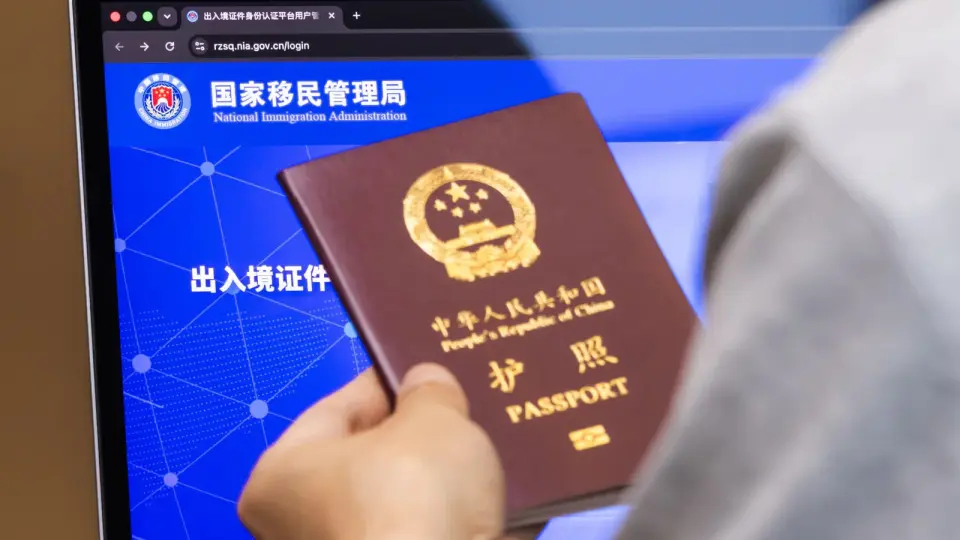
China has implemented new regulations restricting the overseas travel of citizens involved in sensitive technology sectors. Effective Tuesday, the rules allow authorities to ban individuals from leaving the country if they violate export controls or pose a risk to national security. While Beijing frames this as a measure to protect state secrets and prevent illegal technology transfers, critics argue it marks a significant tightening of personal freedoms and could chill international business cooperation. The move follows a broader trend of Beijing tightening oversight on overseas investments and talent flows, particularly in AI and semiconductors.
Key points
- New exit and entry regulations took effect in China on Tuesday, allowing authorities to ban citizens from leaving if they violate export control or technology import/export regulations.
- The rules apply to civil servants, state-owned enterprise employees, and private citizens in sensitive sectors, with penalties ranging from fines to indefinite exit bans.
- Authorities are not required to notify individuals of exit restrictions, meaning many may only discover they are banned when attempting to depart.
- The regulations aim to close loopholes that allowed technology and capital to leave China without oversight, particularly through jurisdictions like Singapore.
- Critics warn the broad wording of the laws may create a chilling effect, discouraging individuals from applying for travel or engaging in international activities.
Background
This development follows earlier measures in July 2026 that strengthened oversight of overseas investment. It also coincides with increased scrutiny from the United States, which has recently reduced grace periods for student visas and warned against Chinese espionage in AI and biotech sectors. Previous archive coverage highlighted the challenges faced by tech workers in navigating international visa systems, such as H-1B fee uncertainties, underscoring the broader global trend of tightening controls on skilled labor mobility.
How outlets are covering it
CNBC emphasizes the impact on companies going global, noting that executives handling negotiations abroad must now ensure compliance with new export control rules. The outlet highlights that while the rules cover all industries, semiconductor and AI companies are most affected, and that the impact may be concentrated in Singapore and Japan. Financial Times focuses on the legal and administrative implications, describing the new rules as a significant shift back towards a pre-1990s model where international travel is treated as a privilege rather than a right. BBC highlights the human impact, citing cases of ordinary citizens facing unwritten travel restrictions and the lack of transparency in the enforcement of these rules. Focus Taiwan warns of the risks for Taiwanese nationals and businesspeople, noting that the rules could expose trade secrets and personal political views, and that authorities are not required to inform individuals of exit restrictions.
Why it matters
The new regulations signal a significant escalation in Beijing's efforts to control the flow of technology and talent, which could have far-reaching implications for global business and international relations. The move may discourage foreign companies from engaging with Chinese counterparts and could exacerbate tensions between China and the United States. Additionally, the lack of transparency in the enforcement of these rules could lead to increased uncertainty and risk for individuals and businesses operating in China.
What to watch
Companies and individuals operating in China should closely monitor compliance with the new export control and travel restriction rules. Authorities may expand the definition of 'public servants' to include more sectors, and the broad wording of the regulations could lead to further chilling effects on international travel and business. The U.S. and China are expected to continue their dialogue on AI safety and technology transfer, with potential implications for future trade and investment policies.
- CNBC's The China Connection newsletter: Tech controls expand to employees CNBC
- China tightens control of overseas travel in sweeping new law Financial Times
- China tightens travel restrictions for citizens BBC
- China's new tech, national security exit rules take effect Reuters
- MAC official warns of travel risks to China amid new rules Focus Taiwan
Want the full story? Read the original reporting
Read on CNBC