
European aviation faces third wave of hoax bomb threats as media outlets targeted
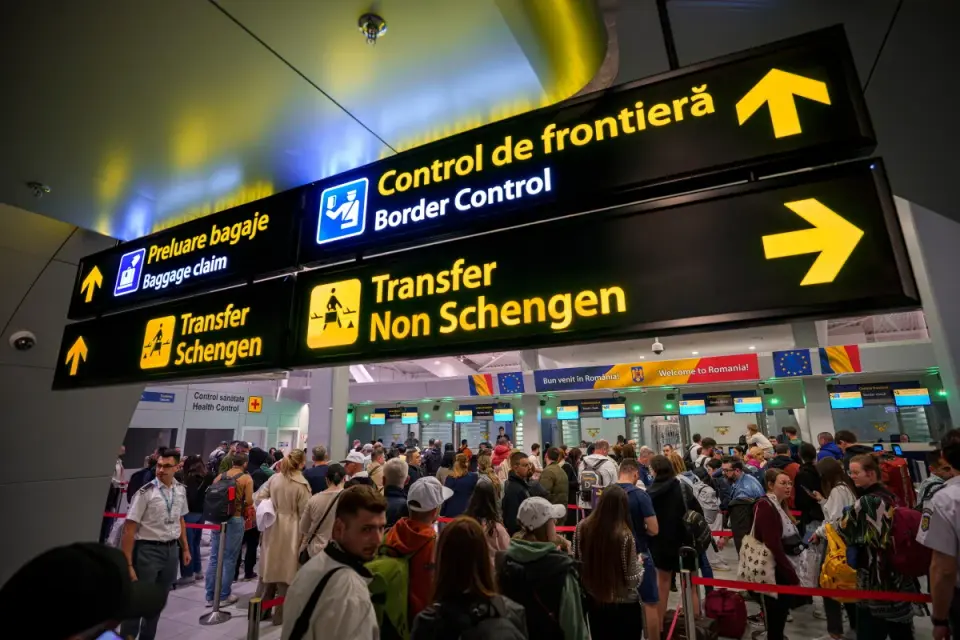
A new wave of false bomb threats disrupted at least 18 flights across Europe on Friday, following similar incidents earlier in the week. While no explosives were found and no injuries reported, the alerts forced fighter jet escorts in Hungary and emergency inspections in France and Ireland. Authorities are investigating the coordinated nature of the attacks, which have now extended to broadcasters, amid concerns about hybrid warfare tactics.
Key points
- At least 18 flights were affected by bomb threats on Friday, including routes to and from Prague, Paris, and Rome.
- Hungarian defense minister Romulusz Ruszin-Szendi confirmed fighter jets escorted three civilian planes after receiving alerts.
- Irish broadcaster RTE was evacuated due to a bomb threat, with live broadcasts replaced by prerecorded content.
- Eurocontrol noted that Friday’s threats represented only 0.05% of the nearly 26,300 flights in the European network.
- No group has been definitively linked to the threats, though earlier emails referenced the 'Male State' group, which has denied involvement.
Background
This latest wave follows two previous days of similar disruptions in early November 2026, where over 35 flights were diverted or searched. Earlier incidents included cyber-attacks on supermarket refrigeration systems and drone incursions, raising fears of coordinated hybrid threats. Authorities have previously noted that while no state actor has been confirmed, the timing coincides with heightened geopolitical tensions regarding Ukraine.
How outlets are covering it
AP News emphasizes the minimal overall disruption to aviation, citing Eurocontrol data that shows the affected flights are a tiny fraction of total traffic, while highlighting the serious safety protocols airlines must follow. The Guardian focuses on the geographic spread of the threats, noting the involvement of at least nine countries and the potential for hybrid aggression, citing Spanish Foreign Minister José Manuel Albares. BBC highlights the operational challenges for airlines, noting that while diversions are common, the coordinated nature of these hoaxes creates significant financial and logistical burdens, with experts warning that such tactics are difficult to trace due to anonymous messaging apps.
Why it matters
The expansion of threats beyond aviation to media outlets like RTE and Sky suggests a broader strategy to undermine public confidence and societal stability. The inability to identify the perpetrators despite multiple waves of attacks highlights the vulnerability of critical infrastructure to low-cost, high-impact hybrid threats, potentially setting a precedent for future disruptions in Europe.
What to watch
Authorities in Ireland and the UK are expected to conduct significant security operations for upcoming European Union and European Political Community meetings in Dublin. Investigators continue to search for links between the aviation and media threats, while airlines maintain heightened security protocols. The 'Male State' group has denied responsibility, and no other group has claimed the incidents, leaving the motive and origin of the threats unclear.
- European air traffic is targeted again by bomb threats after a week of hoaxes AP News
- Newsroom bomb threats follow escalating European flight hoaxes Reuters
- Further bomb threats disrupt at least another 18 flights across Europe The Guardian
- Spate of bomb threats poses serious challenge to airline industry BBC
- Wave of Hoax Bomb Threats to Flights in Europe Leaves Travelers Frustrated The New York Times
Want the full story? Read the original reporting
Read on AP News