
Somali pirates seize sanctioned tanker as naval resources shift to Iran conflict
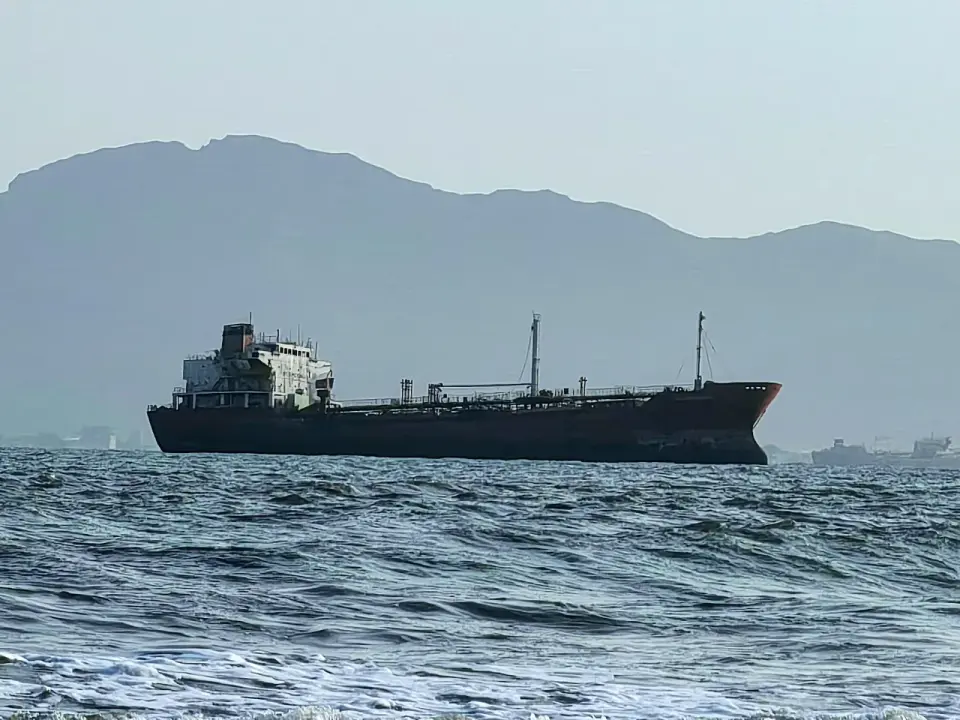
Somali pirates have seized the tanker Seamull, also known as SIBU 1, off the coast of Yemen, marking a significant escalation in maritime insecurity. The vessel, previously sanctioned by the US for transporting Iranian oil, was boarded by six armed individuals and diverted toward Somalia. This incident is part of a broader resurgence of piracy in the Gulf of Aden, with five cargo ships currently held hostage. The uptick in attacks is attributed to naval resources being diverted to the Middle East due to the ongoing Iran war, leaving the region vulnerable. Yemen has responded by establishing a National Maritime Security Committee to protect shipping routes. The situation threatens global trade, as the Gulf of Aden connects to the Red Sea and Suez Canal, critical for 12-15% of global trade by value.
Key points
- Six armed men seized the tanker Seamull (SIBU 1) 136 nautical miles east of Yemen's Al Mukalla, diverting it toward Somalia.
- The Seamull was sanctioned by the US in December 2025 for participating in Iran's 'shadow fleet' and transporting oil to Houthi-controlled ports.
- This is the latest in a series of piracy incidents, with five cargo ships currently held hostage, including the tanker Asana seized in July.
- Yemen announced the creation of a National Maritime Security Committee to protect shipping routes in the Red Sea, Gulf of Aden, and Bab al-Mandeb Strait.
- The Gulf of Aden is a critical shipping lane, with 12-15% of global trade by value passing through the connected Suez Canal annually.
Background
Somali piracy had been largely dormant since 2013 after an international crackdown, but has resurged since April 2026. Previous incidents include the seizure of the tanker Asana in July and the cargo ship Lutuf in August. The region has seen increased instability due to the Iran war, which has diverted naval resources away from the Gulf of Aden. Yemen has also faced internal security challenges, including Houthi attacks on ports, prompting new maritime security measures.
How outlets are covering it
Al Jazeera emphasizes the specific seizure of the sanctioned tanker Seamull and Yemen's new security committee, highlighting the direct impact on shipping routes. Politico focuses on the broader strategic implications, linking the piracy resurgence to the diversion of naval resources due to the Iran war and the economic impact on global shipping. CNBC highlights the potential for a dangerous link between Houthis, Al-Shabaab, and Somali pirates, warning that this could lead to the use of advanced weapons like missiles and drones by pirates, significantly increasing risks for the shipping industry.
Why it matters
The resurgence of Somali piracy threatens global trade routes, particularly the Gulf of Aden and Red Sea, which are critical for energy and container shipping. The diversion of naval resources to the Iran war has created a security vacuum, allowing pirates to target high-value vessels. This could lead to increased shipping costs, insurance premiums, and potential disruptions to global supply chains. The potential for collaboration between pirates and armed groups like the Houthis and Al-Shabaab could further destabilize the region and complicate international security efforts.
What to watch
Authorities are investigating the seizure of the Seamull, and vessels are advised to transit with caution. Yemen's new National Maritime Security Committee will focus on protecting coasts, ports, and shipping routes. The situation may worsen if pirates gain access to advanced weapons through links with armed groups, potentially leading to more frequent and dangerous attacks on commercial shipping.
- Gunmen seize tanker off Yemen amid resurgence of Somali piracy Al Jazeera
- 2 Hijackings in 4 Days: Somali Piracy Rises The New York Times
- Tanker off Yemen boarded by armed people, diverted towards Somalia, UKMTO says Reuters
- One beneficiary of the Iran war? Pirates. Politico
- Somali pirate menace returns as U.S.-Iran war stokes regional chaos and saps enforcement resources CNBC
Want the full story? Read the original reporting
Read on Al Jazeera