
Somali Piracy Resurges as U.S. Naval Focus Shifts to Iran War
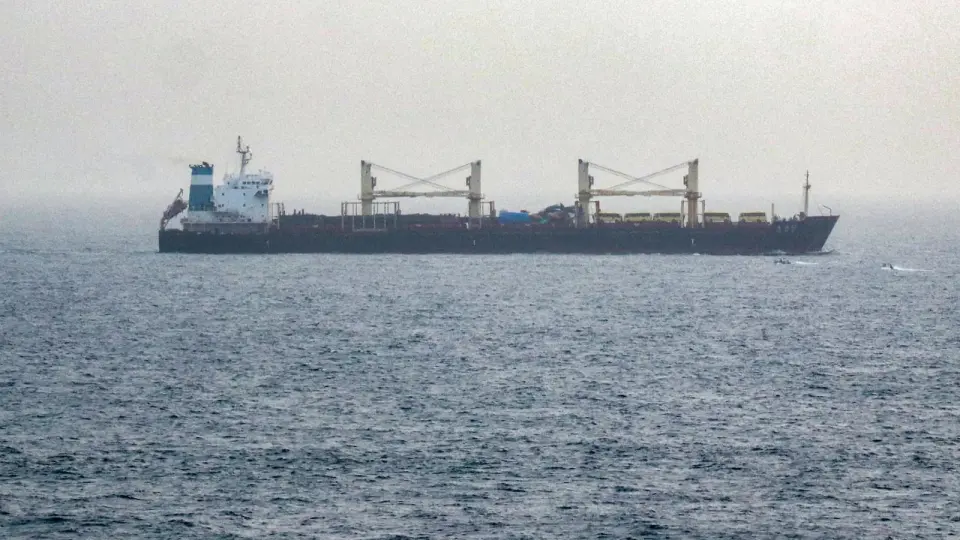
Somali piracy has returned to the Gulf of Aden and Red Sea, with at least five vessel seizures since April 2026. This resurgence coincides with the U.S. redirecting naval resources to the Iran war, creating a security vacuum. Rising oil prices and Houthi-Somali ties are increasing risks for global shipping.
Key points
- At least five commercial vessels, including tankers and cargo ships, have been seized by Somali pirates since April 2026, with the latest incident involving the sanctioned tanker Sibu 1 on August 19.
- The U.S. and allied naval forces have diverted resources to the Middle East due to the Iran war, reducing enforcement in the Gulf of Aden and allowing piracy to resurge after a decade of decline.
- Rising oil prices and Houthi-Somali ties, including weapons transfers, are making tankers more lucrative targets and potentially increasing the sophistication of pirate attacks.
- Shipping companies face compounding risks from Houthi attacks, rising insurance premiums, and piracy, forcing them to reroute vessels and increasing global shipping costs.
Background
Somali piracy peaked around 2010, causing an estimated $18 billion in annual damages, but was largely neutralized by 2011 through sustained efforts by NATO and the Combined Maritime Forces. The 2026 resurgence marks the first significant uptick in piracy activity in over a decade.
How outlets are covering it
CNBC emphasizes the strategic risk of a potential Houthi-Somali-Al Shabaab alliance, which could provide pirates with advanced weapons and alter regional dynamics. Politico highlights the economic incentives for pirates, noting that rising oil prices and reduced U.S. naval presence make piracy a lucrative, low-risk venture. Lloyd's List focuses on the immediate operational threat, detailing the hijacking of the sanctioned tanker Sibu 1 and the distress signals sent by the vessel. A White House official disputed the link between the Iran war and piracy, asserting that U.S. maritime security forces remain robust, while other analysts argue that resource diversion is a key factor in the resurgence.
Why it matters
The return of Somali piracy adds another layer of risk to an already strained global shipping network, potentially increasing costs for consumers and businesses. It also highlights the complex interplay between regional conflicts, security vacuums, and criminal opportunism, with potential implications for energy prices and global trade routes.
What to watch
Shipping companies may continue to reroute vessels away from the Red Sea and Gulf of Aden, further increasing shipping times and costs. The U.S. and international partners may need to reassess naval deployments to address both the Iran war and the piracy threat. Monitoring Houthi-Somali ties will be critical to assessing the potential for a more coordinated and dangerous piracy threat.
- Somali pirate menace returns as U.S.-Iran war stokes regional chaos and saps enforcement resources CNBC
- One beneficiary of the Iran war? Pirates. Politico
- Tanker off Yemen boarded by armed people, diverted towards Somalia, UKMTO says Reuters
- Tanker boarded by six gunmen off Yemen Sky News
- Pirates hijack sanctioned tanker in second Gulf of Aden attack this week Lloyd's List
Want the full story? Read the original reporting
Read on CNBC