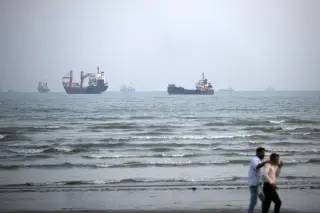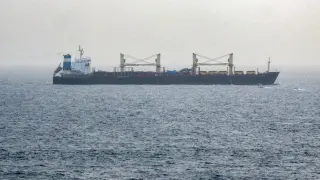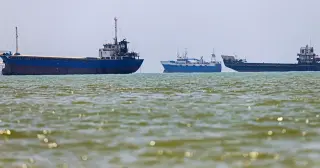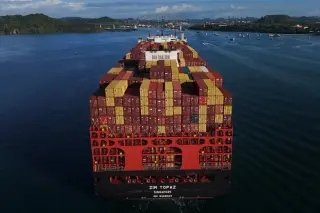
With the Strait of Hormuz under a chokehold, some shippers are paying as much as $4 million to expedite Panama Canal crossings, underscoring how chokepoints are inflating global logistics costs.
The Dallas Fed’s Q1 2026 energy survey of 120 oil and gas firms (78 E&P, 42 services) finds that executives expect Strait of Hormuz traffic to normalize slowly, with 20% by May 2026, 39% by August, 26% by November, and 14% later. A majority view future disruptions as likely within five years. Shipping costs from the Persian Gulf are expected to rise by more than $2 but up to $4 per barrel after the Iran war, while U.S. oil production is forecast to rise in 2026–27. About two-thirds expect 90% of shut-in Persian Gulf production to return. Employment at respondent firms is expected to be largely flat, though services firms lean toward increases. Overall, the comments highlight price volatility, geopolitical uncertainty, and longer lead times and higher transport costs impacting planning and capital allocation.
The Iran conflict is disrupting energy supplies and rerouting trade, hitting key US partners—Philippines, Vietnam, and Germany—with higher fuel costs, tougher energy constraints, and increased shipping prices. The Philippines imposed a four-day workweek; Vietnam suspended an energy tax and boosted coal output; Germany faces pressure on energy-intensive chemicals and autos. Rerouting around the Cape of Good Hope has raised shipping costs 30–50% and delayed deliveries, risking US shortages and higher prices in the second half of the year if the war endures.
Rising global oil prices sparked by the Iran conflict are lifting transportation costs across the U.S. supply chain, pushing gasoline near $3.92 per gallon and likely driving higher prices for goods in stores and online as retailers face freight surcharges and possibly higher free‑shipping thresholds.
CNN reports that military action against Iran is driving oil and diesel prices higher, increasing global transportation costs and fuel surcharges, which could lift prices for groceries and other goods. With tariffs squeezing margins, businesses may respond by shrinking product sizes (shrinking) or cutting jobs, signaling a potential persistent cost shock if the conflict lasts.
China urged all parties to halt military actions and safeguard navigation through the Strait of Hormuz as the Iran conflict disrupts traffic, sending freight rates to record highs and forcing vessels to reroute around Africa; the strait’s near-closure threatens about 20% of global crude oil and LNG shipments and lifts energy prices as insurers tighten war-risk coverage.
Mutual marine insurers have cancelled war-risk coverage for vessels in the Gulf and Iranian waters as the Iran conflict escalates, prompting rerouting around Africa and higher costs. War-risk premiums could rise around 50%–100% (or more), pushing freight rates higher as routes tighten; CMA CGM and others have added surcharges, and several carriers are diverting Red Sea sailings, though Hormuz’s small share of global container traffic limits immediate systemic impacts.
A CIPS survey warns that rising transport, energy and raw-material costs, along with soaring freight rates, could push up prices for computers, electronics and transport equipment in 2026 as volatility and cracks in global trade persist; 22% of respondents reported cost increases above 10% by end-2025, with Dell and Lenovo already raising prices.
International sellers on platforms like eBay and Etsy are drastically increasing shipping prices to the U.S. to avoid dealing with tariffs and logistical issues, with some charging thousands of dollars for shipping, effectively deterring American buyers.
Yemen's reprisal operations in support of Palestinians in Gaza have significantly impacted UK retailers and exporters, with shipping costs from Asia to Europe doubling and logistical delays adding up to three to four weeks to delivery times. The British Chambers of Commerce reported that over half of British retail companies have been affected, urging the UK government to support exporters amid weak global demand and higher costs. The Yemeni forces have vowed to continue their strikes as long as the Israeli regime sustains the war and siege against Gaza, which has resulted in significant casualties among Palestinians.
British firms are experiencing higher shipping costs and delays of up to four weeks due to Houthi attacks in the Red Sea, with more than a third of surveyed firms affected. Rerouting shipments around Africa's Cape of Good Hope is adding extra delivery time and pushing up costs, leading to potential price increases in the UK economy. The British Chambers of Commerce is calling for government support for exporters and the formation of an exports council to promote trade, as the conflict continues to impact global trade.
Attacks on container vessels in the Red Sea by Iran-backed Houthi militants have caused significant disruptions to global trade, leading to weeks of delays and an estimated $1 million in extra costs per ship for rerouting around the area. This has prompted concerns about potential consumer price rises and supply chain disruptions, with shipping companies experiencing increased fuel and insurance costs, as well as higher freight rates. While the current crisis has impacted global shipping costs, it is not as severe as the pandemic peak, and the inflation outlook will depend on factors such as the duration of the crisis and potential escalation of the Israel-Hamas conflict.
The escalation of clashes in the Red Sea, including U.S. strikes against Yemen's Houthi rebels, may disrupt global supply chains, potentially leading to increased shipping costs and higher prices for consumer goods. The disruptions in the Red Sea, compounded by a drought affecting the Panama Canal, could impact trade routes for goods from Asia to Western countries, with potential effects on global inflation. However, experts note that companies are seeking alternative transportation methods to mitigate the impact, and the current balance of supply and demand in the goods market may help limit upward pressure on container rates.
The OECD warns that ongoing tensions in the Red Sea could lead to significantly higher inflation due to a 100% rise in seaborne freight rates, potentially increasing import price inflation across its 38 member countries by nearly 5 percentage points. Major shipping firms began diverting vessels away from Egypt's Suez Canal in late 2023, leading to longer journey times and capacity reduction in the global market. While the shipping industry had excess capacity last year, the OECD is closely monitoring the situation and notes positive data showing inflation coming down among its members. The organization also adjusted its economic growth forecast for the U.S., euro zone, and U.K.