
COP31 Ends in Historic Deadlock as Oil Producers Block Fossil Fuel Language
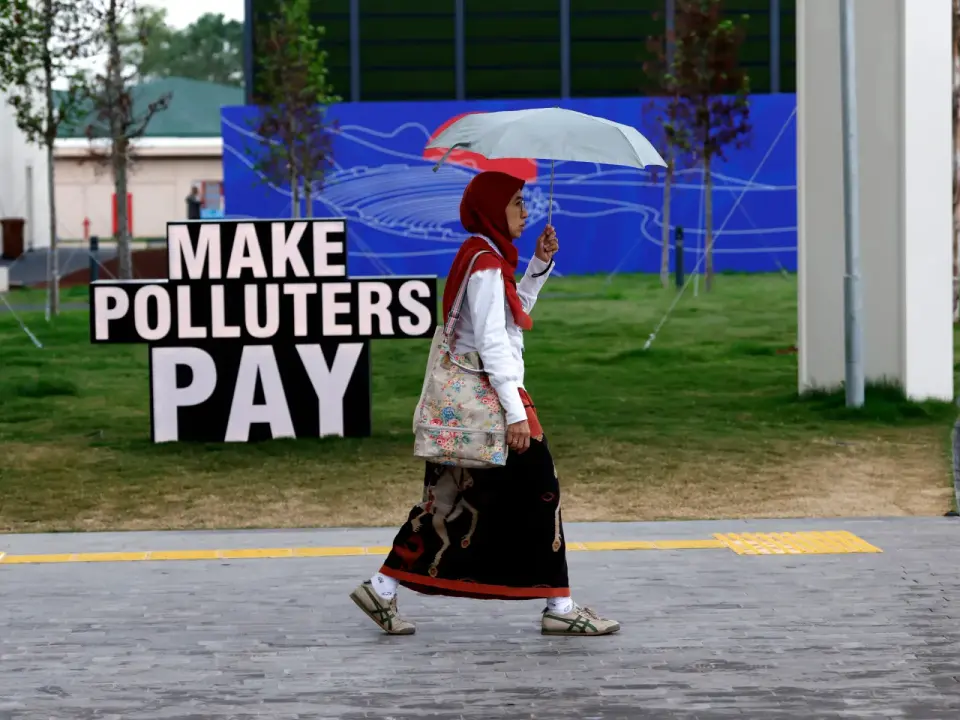
The 31st UN Climate Conference (COP31) in Antalya, Turkiye, concluded without a final agreement after nearly 200 nations failed to reach consensus. The 11-day summit, which extended into overtime, collapsed when oil-producing states, led by Saudi Arabia and Russia, blocked any mention of phasing out fossil fuels in the final text. The European Union and approximately 90 other nations, including small island states, walked out in protest, rejecting a deal that omitted references to the primary driver of global warming. The failure marks the first major breakdown in UN climate talks since 2009 and highlights deep divisions between major polluters and vulnerable nations.
Key points
- Negotiations ended on Sunday, November 22, 2026, without a binding consensus, marking the first significant failure of the UN climate process since 2009.
- Oil-exporting nations, including Saudi Arabia and OPEC members, opposed any language regarding the phase-out of fossil fuels, instead promoting carbon capture technology, which critics describe as costly and ineffective.
- The European Union, along with Panama and the Marshall Islands, rejected the final draft and withdrew from the room, stating the agreement was too weak to address the root causes of climate change.
- Developing nations reported no progress on climate finance, with wealthy nations citing strained budgets from the US-Israeli war on Iran and the Russia-Ukraine conflict as reasons for failing to commit trillions of dollars in support.
- The summit occurred against the backdrop of scientific consensus that the world has effectively reached the 1.5C warming threshold, with projections suggesting a 2.3 to 2.5C increase by 2100 without immediate action.
Background
COP31 followed the 2025 conference in Dubai, where nations agreed to transition away from fossil fuels but stopped short of mandating a phase-out. The current summit was expected to implement these pledges, but the United States, having withdrawn from the UN climate convention, was absent. Previous archive notes indicate that the 2026 conference opened amid record heat and an IPCC funding crisis, with the US absence and global conflicts creating a hostile environment for new financial commitments.
How outlets are covering it
Al Jazeera emphasizes the role of petrostates in undermining the energy transition, citing the disruption of the Strait of Hormuz and declining fossil fuel demand as motivations for blocking progress. The outlet highlights the hypocrisy of wealthy nations demanding a just transition while failing to meet their own financial obligations. NPR focuses on the dramatic walkout by the EU and the scientific reality that the 1.5C threshold has been breached, noting that a best-case scenario requires a 45% emissions reduction by 2035. The New York Times frames the collapse as a deep wound to the global effort, noting that roughly 90 countries rejected the deal as empty. While all sources agree on the failure, Al Jazeera and The New York Times place greater emphasis on the structural flaws of the consensus-based UN process, whereas NPR highlights the immediate scientific urgency and the moral stance of vulnerable nations.
Why it matters
The collapse of COP31 signals a potential shift away from the UN consensus model toward voluntary, non-binding frameworks like the Global Climate Action Agenda. With the 1.5C target likely to be exceeded within the decade, the failure to agree on fossil fuel phase-outs and climate finance leaves vulnerable nations without the support needed to adapt to intensifying disasters. The deadlock may accelerate the rise of alternative cooperation mechanisms, such as the Santa Marta initiative, while raising questions about the binding legal obligations of states to combat climate change, as recently confirmed by the International Court of Justice.
What to watch
Attention will shift to the Global Climate Action Agenda, a voluntary pillar of the UN process involving cities, businesses, and financial institutions, which critics argue offers a more collaborative alternative to the adversarial formal negotiations. Nations may also pursue bilateral or regional agreements, such as the Santa Marta initiative, which has convened 57 countries to promote non-binding cooperation on fossil fuel phase-outs. The next formal UN climate conference, COP32, will face pressure to deliver on existing legal obligations and climate finance commitments, with experts warning that further delays will disproportionately harm the poorest and most vulnerable communities.
- COP31: What next after UN climate talks collapse Al Jazeera
- Climate change talks fall apart in final hours over fossil fuels NPR
- The U.N. Climate Talks Broke Down. Now What? The New York Times
- COP flop triggers backlash in Australia; Pacific nations express despair Reuters
- The messy breakdown of the UN’s climate conference The Economist
Want the full story? Read the original reporting
Read on Al Jazeera