
DRC Ebola Advocate Killed After Radio Appearance in Butembo
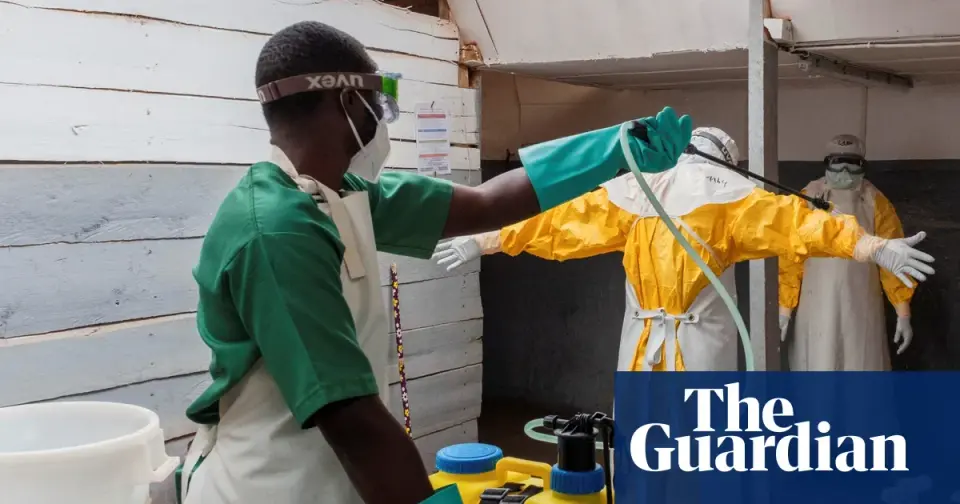
Marie-Celestin Karondwa, a senior official of the ruling UDPS party in Butembo, was beaten to death on Sunday after appearing on a radio program to promote Ebola prevention measures. The attack, which included the burning of his home, is part of a broader wave of violence against health workers and facilities in the DRC. The current Bundibugyo outbreak, which has no approved vaccine, has infected over 8,000 people and killed nearly 4,000, making it the deadliest in the country's history.
Key points
- Marie-Celestin Karondwa, acting president of the UDPS federal executive committee in Butembo, was beaten to death on Sunday.
- The attack occurred after Karondwa participated in a radio show advocating for Ebola prevention measures.
- Per the UDPS, attackers beat Karondwa, stole his belongings, and set his house on fire; he later died from his injuries.
- The party described Karondwa as an innocent victim for defending the party's stance on the Ebola threat.
- The attack is part of a series of incidents targeting healthcare workers and treatment centers, fueled by rumors and misinformation.
- On Saturday, armed men attacked a hand-washing checkpoint in Beni territory, killing at least one person and wounding others.
Background
The DRC has been grappling with a record Ebola surge driven by the fast-spreading Bundibugyo strain, which lacks an approved vaccine or treatment. Previous coverage noted that by late August, the death toll had neared 3,000, with most cases concentrated in eastern provinces where insecurity and weak health services impede containment. Although Uganda was declared Ebola-free in August, the DRC outbreak continued to accelerate, prompting cross-border health security efforts. Experts have warned that the outbreak could become a global epidemic without sustained funding, rigorous infection control, and community engagement, as transmission is intensified by conflict, aid cuts, and violence against health responders.
Why it matters
The killing of a high-profile political figure advocating for public health measures highlights the severe risks faced by those trying to combat the Ebola outbreak in the DRC. This incident underscores how misinformation and distrust of health responders are fueling violence against healthcare infrastructure, further disrupting containment efforts. With the Bundibugyo strain having no approved vaccine and the outbreak already surpassing the 2014-16 West African crisis in pace, such attacks threaten to exacerbate a public health emergency that is already the deadliest in the country's history.
What to watch
Investigations into the attack on Karondwa are ongoing, though the perpetrators and their motivations remain unclear. Health authorities and aid organizations will likely continue to face challenges in maintaining treatment centers and public trust amid ongoing violence. The DRC government and international partners must address the root causes of the violence, including misinformation and conflict, to prevent further disruptions to the response against the Bundibugyo outbreak.
Want the full story? Read the original reporting
Read on The Guardian