
Bristol woman links post-stroke paralysis to hoarding crisis
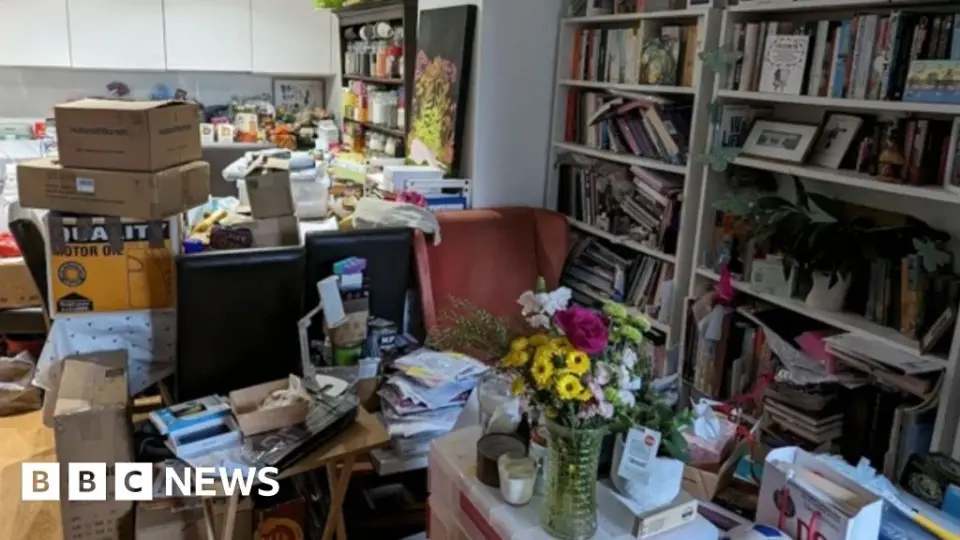
Emma Beagley, a Bristol resident in her 40s, developed hoarding tendencies after a 2018 stroke caused permanent paralysis on her left side. Her psychologist identified her behavior as bordering on hoarding status, prompting her to seek help from The Good Sort, a decluttering service founded by Anna Davies and Sarah Sampson. Beagley struggled to manage her home due to cognitive changes and the difficulty of explaining her needs to carers. Professionals emphasize that hoarding is often linked to underlying psychological needs, trauma, or neurodivergence, rather than just clutter. The World Health Organization classified hoarding disorder as a mental health condition in 2018, with an estimated four million people in the UK affected. Decluttering services are growing in popularity as people recognize the impact of their environment on mental well-being, particularly for those with ADHD or neurodivergence who struggle with task initiation.
Key points
- Emma Beagley’s hoarding began after a 2018 stroke caused permanent left-side paralysis and cognitive changes.
- Her psychologist identified her behavior as 'bordering on hoarder status,' leading her to contact The Good Sort for support.
- The Good Sort, founded by Anna Davies and Sarah Sampson, provides practical and emotional support to help clients organize their spaces.
- Hoarding disorder was formally classified by the World Health Organization in 2018, affecting up to four million people in the UK.
- Experts like Gemma Mason and Gemma Nicoll link hoarding to childhood trauma, neurodivergence, and the symbolic meaning of possessions.
- Decluttering services are increasingly popular as people recognize how home environments affect mental health and decision-making.
Background
This story follows earlier coverage of hoarding as a mental health emergency and the expansion of charities supporting those with hoarding disorder. It also aligns with broader discussions on mental health and the impact of environment on well-being, as seen in recent articles on decluttering and neurodivergence.
Why it matters
Hoarding disorder affects millions in the UK and is often linked to underlying psychological issues, trauma, or neurodivergence. Understanding these connections can lead to more effective support and treatment, reducing shame and improving quality of life for those affected. The growth of decluttering services reflects a growing awareness of the mental health impacts of clutter and the need for specialized support.
What to watch
Decluttering services like The Good Sort and The Home Edit Bristol are expected to continue expanding as demand grows. More research and awareness may emerge on the links between hoarding, trauma, and neurodivergence, leading to better integrated mental health and practical support services.
Want the full story? Read the original reporting
Read on BBC