
KFF Analysis Finds Mixed Results for TrumpRx Drug Prices vs. Global Peers
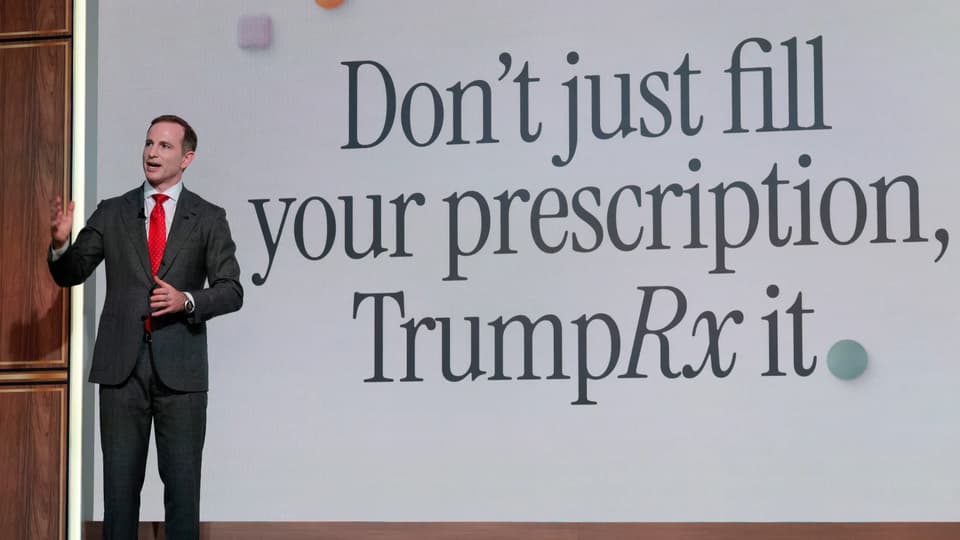
A new analysis by the Kaiser Family Foundation (KFF) reveals that the TrumpRx website delivers mixed results for Americans seeking lower prescription drug prices. While prices for 17 brand-name drugs are lower than the average in 11 peer nations, 15 drugs cost significantly more. The site, which targets cash-paying consumers, does not guarantee the 'lowest prices in the developed world' as claimed by the administration. Notable exceptions include weight-loss drugs like Ozempic and Zepbound, which remain more expensive in the U.S. than in comparable countries. This finding contrasts with the administration's broader 'most favored nation' strategy, which has secured deals with 26 pharmaceutical companies and enrolled all 50 states in Medicaid pricing reforms.
Key points
- KFF compared 32 brand-name drug prices on TrumpRx.gov to averages in 11 peer nations, including the UK, Germany, and Canada.
- Seventeen drugs were priced 1% to 63% lower on TrumpRx, with the blood cancer drug Rydapt showing the largest discount at $2,909 versus a peer average of $7,877.
- Fifteen drugs were priced higher, with an average markup of 262% compared to peer nations; the rheumatoid arthritis drug Enbrel costs $2,725 in the U.S. versus a peer average of $641.
- GLP-1 weight-loss medications remain expensive; Ozempic is listed at $349, more than double the $126 international average, while Zepbound costs $449 versus a $309 average.
- Public Citizen obtained redacted most-favored-nation agreements with Pfizer and Eli Lilly via FOIA, suggesting terms may allow companies to charge more abroad to maintain high U.S. prices.
- TrumpRx serves cash-paying consumers and does not process insurance claims, distinct from the Medicare GLP-1 Bridge program which offers seniors a $50 monthly copay.
Background
This analysis follows a series of developments in 2026 regarding the administration's 'most favored nation' drug pricing policy. In August, the White House announced nine additional deals, bringing the total to 26, and all 50 states joined the plan for Medicaid, projecting $64 billion in savings over a decade. While U.S. prescription drug prices fell 2.7% in the past year due to generics and policy moves, the TrumpRx portal was introduced as a direct-to-consumer channel to bypass insurance. Senate Democrats have repeatedly demanded transparency on these confidential agreements, with Public Citizen recently releasing redacted documents that raise concerns about the long-term impact on global drug pricing.
Why it matters
The findings challenge the administration's core promise that Americans will pay the lowest prices for prescription medications in the developed world. For cash-paying consumers relying on TrumpRx, the lack of guaranteed lower prices for common chronic and weight-loss medications highlights the limitations of voluntary pricing deals. Furthermore, the redacted agreements suggest potential trade-offs where U.S. consumers may subsidize higher prices in other countries, raising questions about the sustainability and fairness of the most-favored-nation strategy for both domestic patients and international markets.
What to watch
The administration is expected to continue negotiating with pharmaceutical companies and may push Congress to codify most-favored-nation pricing into permanent law. Senate Democrats are likely to press for further transparency on the terms of the Pfizer and Eli Lilly agreements. Meanwhile, the Centers for Medicare and Medicaid Services will monitor the GLP-1 Bridge program for seniors, while the broader impact of the 26 MFN deals on Medicaid budgets will be evaluated over the next decade.
Want the full story? Read the original reporting
Read on USA Today