
Lavrov Blames Europe for War Risk as Kremlin Threats Escalate
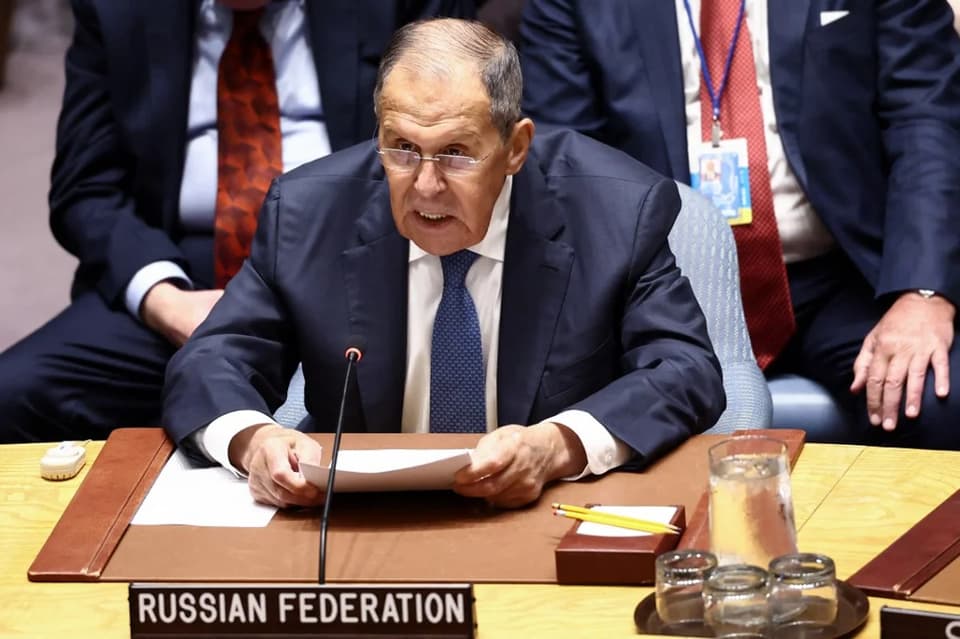
Russian Foreign Minister Sergey Lavrov dismissed warnings of a Russian attack on Europe as 'nonsense,' arguing that European defense preparations could become a 'self-fulfilling prophecy.' These remarks follow a surge in Russian hybrid attacks and explicit threats against Baltic and Central European states, prompting NATO to intensify its defensive posture despite Moscow’s denials of aggressive intent.
Key points
- Lavrov stated at the UN General Assembly that Europe is investing heavily in arms production, which he claims could provoke a conflict, while asserting Russia has no intention of attacking Europe.
- Ukrainian President Volodymyr Zelensky warned that Russia might target European countries with drones or missiles to fracture Western unity, while 51 nations signed a joint statement urging Moscow to agree to a ceasefire.
- European intelligence officials believe Moscow is planning to step up provocations against NATO in the coming months, with some suggesting a potential attack could occur within months rather than years.
- The German and Russian foreign ministers held their first meeting since 2022, while the US confirmed a new troop rotation to Lithuania amid heightened security concerns.
Background
This escalation follows a pattern of Russian hybrid aggression, including drone incursions and sabotage attempts against EU infrastructure, which several member states now classify as direct attacks. Previous Kremlin denials of aggression preceded the 2014 and 2022 invasions of Ukraine, leading European officials to view current assurances with skepticism. The situation is compounded by ongoing diplomatic stalls, with Kyiv and Washington urging trilateral talks that Moscow has repeatedly rebuffed.
How outlets are covering it
Kyiv Post and Ukrainska Pravda highlight the historical parallel between Lavrov’s current denials and pre-invasion rhetoric in 2014 and 2022, emphasizing that European defense build-ups are reactive to Russian hybrid attacks. UNITED24 Media provides a broader view of the threat landscape, detailing specific threats from Russian officials against Lithuania, Poland, Germany, and Norway, alongside incidents like the drone found at Leipzig/Halle Airport. In contrast, Saba.ye, citing Russian diplomat Mikhail Ulyanov, frames Putin’s statements as a definitive rejection of warmongering narratives, claiming opponents have failed to present convincing arguments against Moscow’s peaceful intentions. While Western outlets focus on the pattern of escalation and hybrid warfare, the Russian state narrative insists on defensive posturing and denies any aggressive intent.
Why it matters
The clash between Russian denials and European defensive preparations risks creating the very conflict Lavrov warns against, potentially destabilizing NATO’s collective defense mechanisms. The intensification of hybrid attacks and explicit threats against EU members could lead to a direct confrontation if diplomatic channels remain stalled, making the credibility of Russian assurances a critical factor in regional security.
What to watch
NATO is expected to continue monitoring Russian activities closely, with potential responses to hybrid attacks that may not mirror each action tit-for-tat. Diplomatic efforts to secure a ceasefire in Ukraine will likely continue, but Moscow’s refusal to engage in trilateral talks suggests limited progress. European nations may further strengthen defenses around critical infrastructure, while the US troop rotation to Lithuania signals a sustained commitment to deterrence.
- Lavrov Calls Russian Attack on Europe ‘Nonsense,’ Warns War Would Be ‘Short’ as Putin Targets Baltics Kyiv Post
- European statements about war with Russia could become a "self-fulfilling prophecy" – Russian foreign ministe Українська правда
- “We Need Their Fear”: What Russian Officials and State TV Are Saying About War with Europe UNITED24 Media
- Ulyanov: Putin Dashes Hopes of Warmongers in Europe saba.ye
- Putin stated that the rights of Russian speakers are being violated in the Baltic countries Українські Національні Новини (УНН)
Want the full story? Read the original reporting
Read on Kyiv Post