
New Data Suggests Fasting Before Blood Tests Is Unnecessary for Most Routine Labs
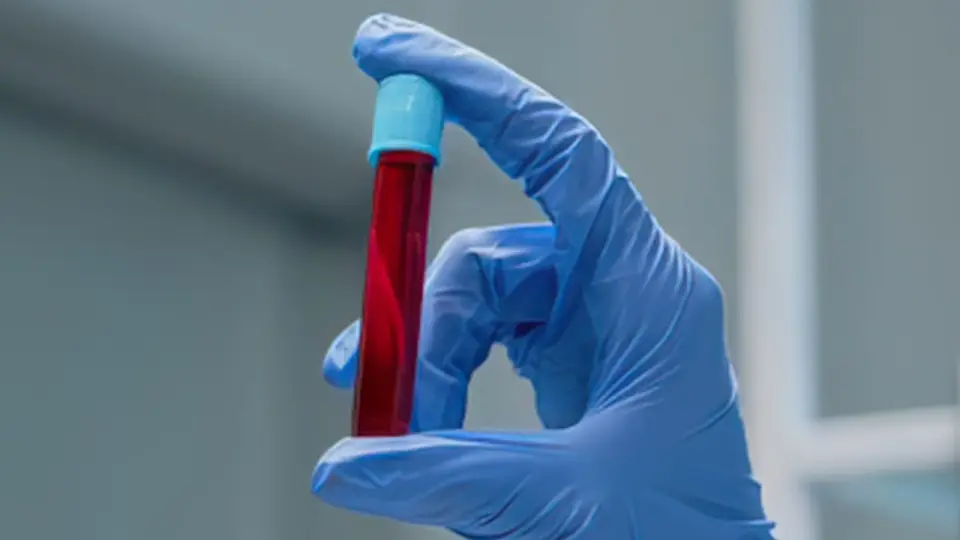
A large-scale study published in JAMA Internal Medicine indicates that the standard 8-to-12-hour fasting requirement for routine blood tests is likely unnecessary for the majority of analytes. Researchers found that only a small subset of tests, primarily those measuring glucose, triglycerides, and specific enzymes, are significantly affected by recent food intake. The findings suggest that clinical protocols could shift toward analyte-specific preparation rather than uniform fasting, potentially reducing patient burden and improving laboratory efficiency. However, experts caution that current guidelines should not be changed until further multicenter studies confirm these results across diverse populations.
Key points
- A retrospective study analyzed over 9.7 million test results from 101,148 patients at a single university hospital in Seoul, South Korea.
- Only 10 out of 121 routine analytes showed differences exceeding analytical performance specifications based on fasting duration.
- Glucose, triglycerides, gamma-glutamyl transferase, and lipase were the primary tests affected by fasting less than eight hours.
- Fasting for more than 12 hours did not provide additional accuracy benefits for any tested analyte compared to shorter fasting periods.
- The study recommends moving away from uniform fasting rules in favor of specific instructions tailored to the individual test being performed.
Background
Recent advancements in blood testing, such as the FDA clearance of the pTau217 Alzheimer's biomarker test, have highlighted the growing importance of accurate pre-analytical conditions in diagnostics. While previous discussions focused on the reliability of these new tests for asymptomatic individuals, this new research addresses a more fundamental aspect of standard laboratory practice: the necessity of fasting. It builds on existing knowledge that certain metabolic markers are sensitive to dietary intake, but expands the scope to a much wider panel of routine tests.
How outlets are covering it
ScienceAlert and News-Medical emphasize the potential for reducing patient burden and improving adherence to medical testing by eliminating unnecessary fasting. They highlight the study's large sample size as a strong basis for reconsidering current protocols. MedPage Today provides a more cautious perspective, noting that while the study supports analyte-specific fasting, it was conducted at a single center in Korea with a median patient age of 61, limiting its generalizability to younger populations or other ethnicities. MedPage Today also points out that U.S. guidelines already allow non-fasting lipid profiles in many cases, suggesting the practical impact may vary by region. All sources agree that while the findings are compelling, they do not yet warrant an immediate change in clinical practice, and patients should continue to follow their healthcare providers' instructions until further validation is complete.
Why it matters
If clinical guidelines are updated based on this research, millions of patients could avoid the inconvenience and potential health risks associated with prolonged fasting before routine check-ups. This change could also streamline laboratory operations, reduce administrative tasks, and allow for same-day testing, leading to faster diagnoses and treatment. It represents a significant shift toward more personalized and efficient healthcare practices, moving away from one-size-fits-all protocols that may not be necessary for the majority of tests.
What to watch
The next steps involve conducting multicenter studies to validate these findings across diverse populations, including younger adults and different ethnicities. Researchers also need to determine how often fasting-related differences actually cross clinically meaningful diagnostic or treatment thresholds. If the results are confirmed, medical societies and laboratories will likely update their pre-test preparation guidelines to reflect an analyte-specific approach, potentially leading to widespread changes in how routine blood tests are ordered and performed.
- We May Have Been Wrong About Fasting Before Blood Tests, Study Reveals sciencealert.com
- Fasting duration minimally affects most routine blood tests Healio
- Do you really need to fast before a blood test? It depends on the test News-Medical
- Few Lab Tests Actually Need 8 Hours of Fasting, Study Suggests MedPage Today
- Fasting for Less Than 8 Hours Has Minimal Impact on Most Routine Blood Test Results: JAMA medicaldialogues.in
Want the full story? Read the original reporting
Read on sciencealert.com