Tag

Blood Tests

All articles tagged with #blood tests

Beyond Memory Loss: Spotting Early-Onset Alzheimer’s Signs That Aren’t Chalked Up to Forgetfulness
health1 day ago

Beyond Memory Loss: Spotting Early-Onset Alzheimer’s Signs That Aren’t Chalked Up to Forgetfulness

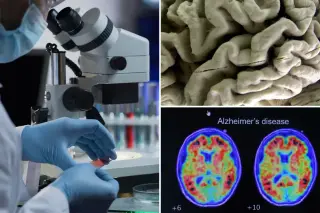
Memory loss isn’t always the first sign of early-onset Alzheimer’s; many patients first show executive-function, language, vision, or personality changes, which can delay diagnosis. Most cases before 65 aren’t genetic, though about 5% involve gene mutations; roughly 360,000 Americans are affected. Advances in biomarkers—amyloid and tau PET scans, spinal fluid tests, and increasingly blood tests like p-tau217—now allow diagnosis in living patients and could democratize access. Clinicians use detailed histories, MRI, and biomarker results to diagnose and discuss treatments, including monoclonal antibodies targeting amyloid and emerging tau therapies, moving toward biology-based classification and personalized, combination therapies. The LEADS study aids early-onset diagnosis and trial access, underscoring a shift to earlier, biology-driven care for younger patients.

US Expands Colorectal Cancer Screening with At-Home and Blood Tests
health1 month ago

US Expands Colorectal Cancer Screening with At-Home and Blood Tests

The American Cancer Society updated its May 2026 colorectal cancer screening guidelines to add two new options—an at-home stool test and a blood-based test—while maintaining colonoscopy as a primary option. Average-risk individuals should start screening at age 45 and continue until 75 (or longer if advised by a doctor). The stool and blood tests are intended to improve access and early detection, though many doctors’ offices may not yet offer them; ultimately, the best test is the one that gets done, with colonoscopy remaining the default for those with higher risk or abnormal results.

Alzheimer's blood tests spark debate over predicting risk and guiding care
health2 months ago

Alzheimer's blood tests spark debate over predicting risk and guiding care

Alzheimer's blood tests that detect amyloid or tau are being considered for early risk assessment, but doctors say their predictive value for asymptomatic people is uncertain, with potential false positives/negatives and no clear benefit from early intervention; FDA has cleared two tests for symptomatic patients, not for screening; patient interest is high, with surveys showing many would take a test if advised, though distress is common.

New Blood Tests Improve Early Detection of Pancreatic Cancer
health6 months ago

New Blood Tests Improve Early Detection of Pancreatic Cancer

New blood tests like the Grail Galleri offer hope for early detection of pancreatic cancer, which is crucial as most cases are diagnosed late with poor survival rates. Early detection can significantly improve treatment outcomes, but current screening options are limited, and the disease remains deadly, especially in Ohio where incidence and mortality rates are high. Researchers emphasize the importance of clinical trials and awareness efforts to improve prognosis and develop better therapies.

Thyroid Symptoms Persist Despite Normal Blood Tests
health7 months ago

Thyroid Symptoms Persist Despite Normal Blood Tests

Dr. Roach explains that persistent hypothyroid symptoms despite normal blood tests may be due to issues like T4 to T3 conversion problems, and advises checking T3, T4, and TSH levels. He also discusses the minimal lead content in fiber supplements, suggesting the small risk is unlikely to cause health issues, and emphasizes finding the true cause of symptoms if thyroid tests are normal.

Blood Tests Emerging as Key Tool in Alzheimer's Diagnosis and Care
health11 months ago

Blood Tests Emerging as Key Tool in Alzheimer's Diagnosis and Care

The Alzheimer’s Association has issued new guidelines suggesting that blood tests with over 90% sensitivity and 75-90% specificity can be used to help diagnose Alzheimer’s disease, potentially replacing more invasive tests like PET scans, especially in cases of cognitive impairment, though they should complement full clinical evaluations. This move aims to improve access to diagnosis, particularly in rural areas, and supports the ongoing development of blood-based diagnostic tools, which are increasingly being integrated into treatment protocols.

Dr. Roach Explains When HDL Cholesterol Is Too High
health11 months ago

Dr. Roach Explains When HDL Cholesterol Is Too High

Dr. Roach explains that while high HDL cholesterol is generally protective against heart disease, levels over 80 mg/dL may not always be beneficial, especially in certain populations with genetic factors or health conditions. He emphasizes the importance of considering family history and other risk factors when evaluating cholesterol levels and cautions against over-reliance on current screening tests like the Galleri blood test for cancer detection, due to their limited accuracy.