
WHO report links 2026 heatwaves to rising climate anxiety among UK youth
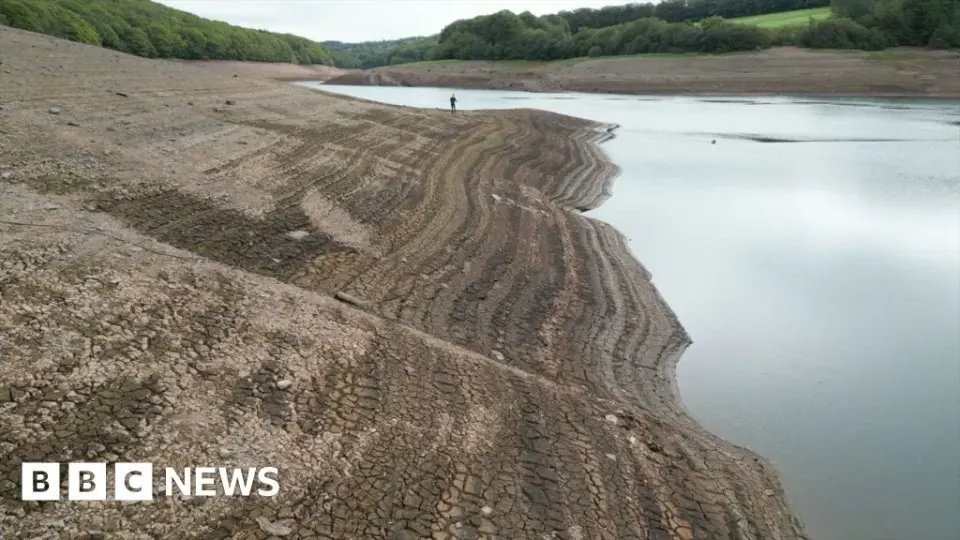
A new WHO report highlights that climate change significantly impacts mental health, particularly among young people in Europe. In the UK, millions of children report feeling 'hopeless' and 'powerless' following 2026’s record-breaking summer. Experts emphasize that while climate worry is a rational response, it can disrupt daily life and sleep. The WHO calls for integrating mental health support into climate policies and emergency planning, citing fragmented current responses. Community initiatives in the UK and Spain are emerging to help youth process these emotions through peer support and nature-based activities, rather than focusing solely on individual therapy.
Key points
- WHO report released on 10 November 2026 links climate change to anxiety, depression, and PTSD, noting that worry alone can disrupt sleep and daily functioning.
- In the UK, nearly two-thirds of secondary school pupils (3.4 to 3.6 million) experience mental health symptoms linked to environmental concerns, according to the British Science Association.
- Youth in the UK describe feeling 'powerless' after 2026’s hottest summer, with experts urging parents and educators to validate these emotions rather than dismiss them.
- The WHO identifies gaps in current interventions, calling for clearer pathways between community support and specialist care, and for mental health to be embedded in national climate policies.
- Community-led projects in the UK, such as 'The Great Big Climate Circus' and youth-led charities, aim to reduce anxiety by fostering connection and action, avoiding 'doom and gloom' narratives.
Background
This development follows a broader trend of climate-related stress documented in 2026. Earlier reports indicated that European heatwaves killed an estimated 50,000 people, exacerbating public health concerns. Additionally, a U.S. Supreme Court case regarding climate liability against fossil fuel companies remains unresolved, highlighting the ongoing legal and political struggle to address climate impacts. The current WHO report builds on these events by focusing specifically on the psychological toll on younger generations, who are perceived to face the greatest long-term consequences.
How outlets are covering it
The BBC focuses on the UK context, highlighting personal testimonies from young people in Gloucestershire and Wiltshire who feel 'hopeless' and 'powerless' due to 2026’s extreme heat. It emphasizes the lack of large-scale government action as a source of anxiety. In contrast, the WHO and EMJ provide a broader European perspective, citing a survey where up to 65% of young people in countries like Finland and France reported worrying about climate change. The WHO stresses that climate anxiety is not a mental disorder but a rational response, urging systemic integration of mental health into climate policy. Demócrata highlights the Spanish model of Mental Health Units in Emergencies (USME), which has conducted over 4,300 interventions since 2025, focusing on community recovery and social ties rather than individual therapy. While the BBC notes a 'lack of climate education' in the UK, the WHO points to fragmented responses across Europe, suggesting that community-based support is often more effective than specialist care for mild distress.
Why it matters
The intersection of climate change and mental health is becoming a critical public health issue, particularly for younger generations who are disproportionately affected by environmental anxiety. As extreme weather events become more frequent, the psychological burden on youth could lead to long-term mental health crises if not addressed through policy and community support. The WHO’s call for integrating mental health into climate strategies signals a shift in how governments and institutions approach environmental crises, moving beyond physical safety to psychological resilience. This is crucial for ensuring that future climate policies are comprehensive and that young people are not left feeling isolated or powerless in the face of global environmental challenges.
What to watch
The WHO expects countries to adopt clearer guidelines for integrating mental health support into climate emergency planning and recovery efforts. In the UK, community organizations like 'The Great Big Climate Circus' and 'Another Way' are likely to expand their programs to provide more peer support and nature-based activities for youth. Spain’s USME model may serve as a reference for other European nations developing their own mental health strategies for emergencies. As the UN Climate Change Conference continues in Antalya, Türkiye, discussions on mental health and climate resilience are expected to gain prominence, potentially influencing future international policies on environmental and psychological well-being.
- How hot summer leaves young people anxious about climate change BBC
- Three WHO Announcements This Week That Matter for Health EMJ
- New report highlights action across European Region to tackle mental health consequences of climate change World Health Organization (WHO)
- The WHO includes the Spanish Mental Health in Emergencies model in its European report on climate change Demócrata
Want the full story? Read the original reporting
Read on BBC