
Scholars Authenticate Two Lost Sermons by St. Augustine Found in 12th-Century Manuscript
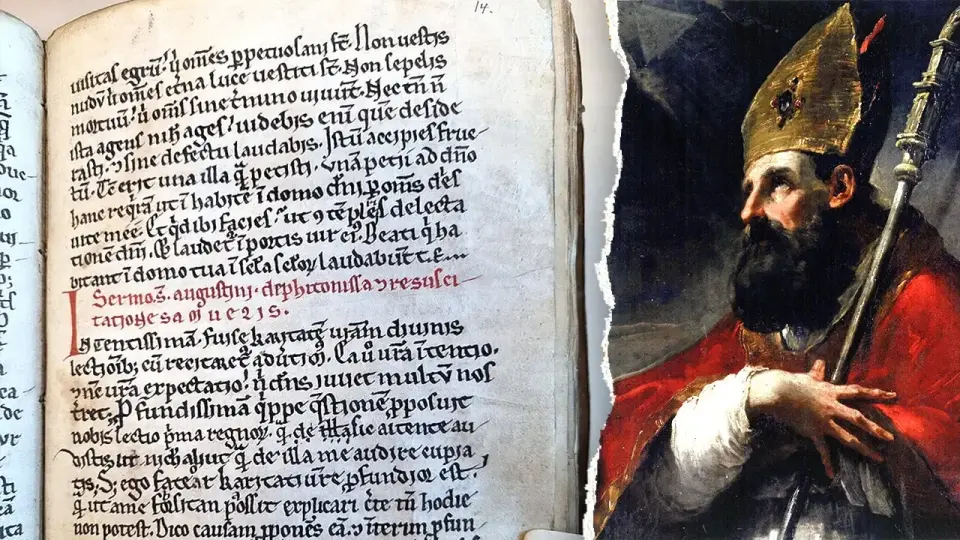
Christian Tornau, a Latin professor at the University of Würzburg, has authenticated two previously unknown sermons by St. Augustine, one of Christianity's most influential theologians. The texts were discovered within a 12th-century manuscript copied at Bad Doberan Abbey in Germany, likely derived from an earlier, now-lost source. The sermons, which date to Late Antiquity, explore the Old Testament narrative of King Saul consulting the Witch of Endor. They offer new insights into Augustine's theological views, particularly regarding theodicy and the possibility of Saul's redemption, a perspective rare in ancient Christian thought. Tornau, who began deciphering the manuscript in 2024, confirmed the authenticity based on stylistic, humorous, and content-based analysis, noting that the texts reflect a North African liturgical background consistent with Augustine's era. The sermons are set to be published in a scholarly edition after nearly two years of research.
Key points
- Christian Tornau of the University of Würzburg authenticated two previously unknown sermons by St. Augustine (354–430 A.D.).
- The sermons were found in a 12th-century manuscript copied at Bad Doberan Abbey, Germany, likely from an earlier lost source.
- The texts explore the biblical story of King Saul and the Witch of Endor, focusing on theodicy and Saul's potential redemption.
- Tornau confirmed authenticity based on style, humor, and content, noting the sermons reflect a North African liturgical background.
- The discovery began in 2024 when a monastery preservation association asked Tornau to decipher the manuscript.
- The sermons are to be published in a scholarly edition after nearly two years of research.
Background
This discovery highlights the ongoing potential for recovering lost historical texts, a theme echoed in recent studies on medieval manuscript losses. A 2026 study in PNAS Nexus estimated that up to 60% of medieval literary works and 95% of manuscripts have vanished over centuries, with texts most at risk early on. The recovery of Augustine's sermons, despite the manuscript's 12th-century origin, underscores how later copies can preserve earlier, lost originals. Augustine, bishop of Hippo Regius, remains a central figure in Christian theology, and his works continue to be studied and debated by scholars.
Why it matters
The authentication of these sermons adds to the body of work by St. Augustine, a foundational figure in Christian theology. The texts offer new perspectives on Augustine's views regarding theodicy and the possibility of redemption for figures like King Saul, who were typically viewed negatively in ancient Christianity. This discovery not only enriches our understanding of Augustine's thought but also demonstrates the value of deciphering medieval manuscripts, which can preserve earlier, lost texts. The findings may influence ongoing scholarly debates about Augustine's theological positions and the transmission of ancient Christian literature.
What to watch
Christian Tornau is preparing to publish the two authenticated sermons in a scholarly edition. The publication will provide detailed analysis of the texts, their historical context, and their theological implications. Scholars anticipate that the release of these sermons will spark further discussion about Augustine's views on redemption and theodicy, as well as the broader question of how many other lost texts may be preserved in surviving medieval manuscripts.
Want the full story? Read the original reporting
Read on Fox News