Tag

Medieval Manuscripts

All articles tagged with #medieval manuscripts

Medieval Parchment Reveals 3,700-Year History of Sheep Pox Virus
science1 month ago

Medieval Parchment Reveals 3,700-Year History of Sheep Pox Virus

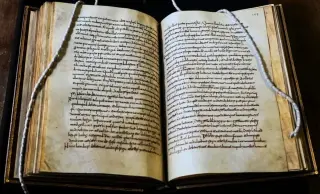
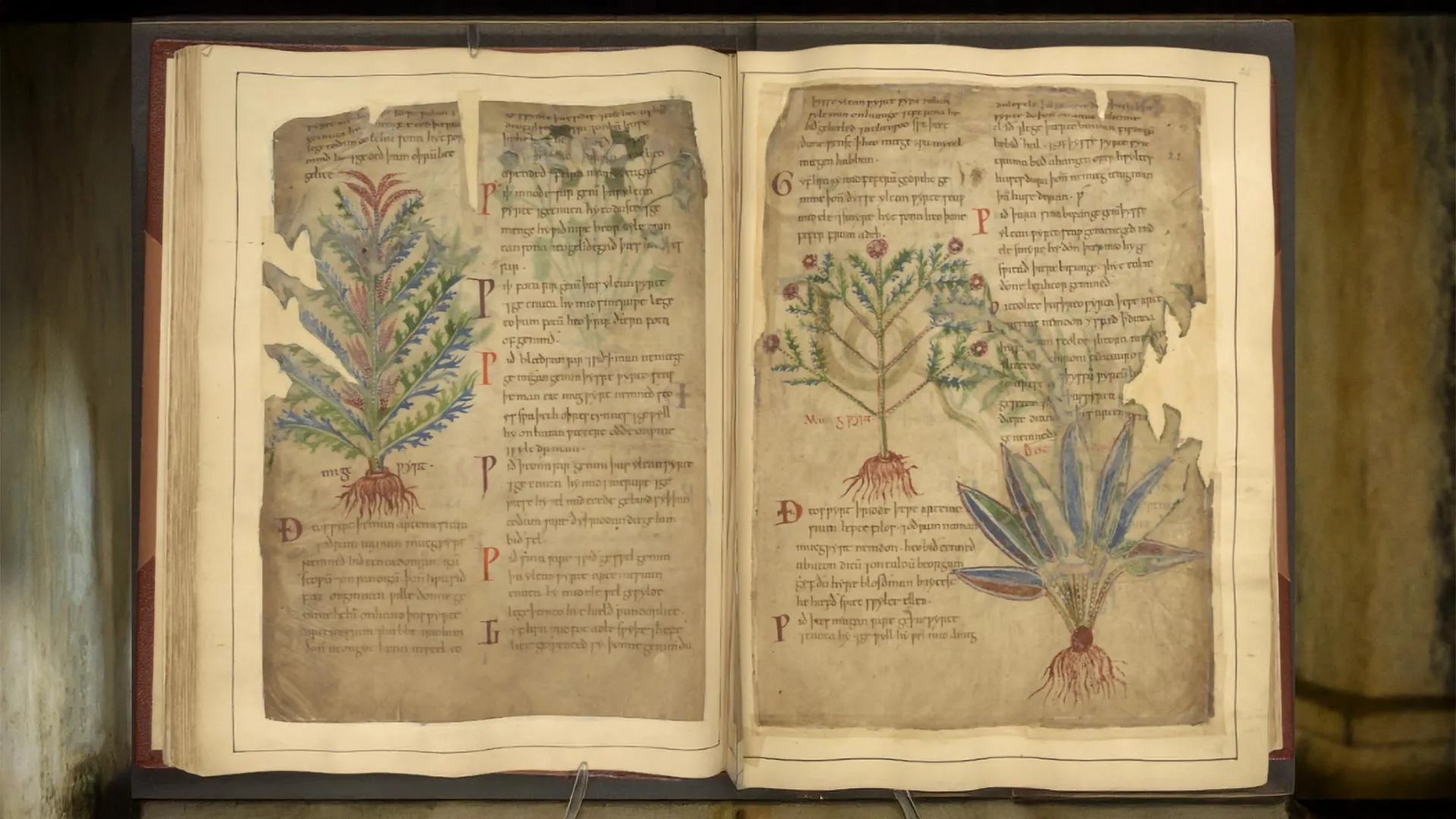
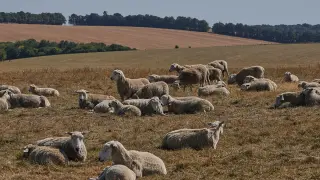
Researchers at University College Dublin have extracted sheeppox virus DNA from medieval manuscripts, revealing the pathogen has infected livestock for over 3,700 years. The study, published in Science Advances, shows that parchment made from infected animal skins preserves viral genetic material, offering a new method to track the evolution of livestock diseases.
Medieval Parchment Reveals 3,500-Year History of Sheeppox Virus
science1 month ago

Medieval Parchment Reveals 3,500-Year History of Sheeppox Virus

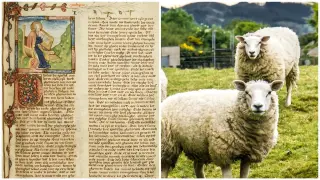
Researchers at University College Dublin extracted sheeppox virus DNA from medieval manuscripts and Bronze Age sheep teeth, reconstructing the pathogen’s evolution over 3,500 years. Published in Science Advances, the study identifies 21 ancient genomes, revealing that the virus diverged from other capripoxviruses between 11,500 and 3,700 years ago, coinciding with animal domestication. The findings suggest medieval parchment preserves biological records of livestock disease, offering insights into viral stability and historical outbreaks across Eurasia.

Ancient Parchment Reveals 3,700-Year History of Sheeppox Virus
science1 month ago

Ancient Parchment Reveals 3,700-Year History of Sheeppox Virus

Researchers at University College Dublin have reconstructed the evolutionary history of the sheeppox virus over 3,700 years by extracting DNA from medieval parchment and Bronze Age sheep teeth. Published in Science Advances, the study identifies 21 ancient viral genomes, revealing that the virus diverged from related capripoxviruses between 11,500 and 3,700 years ago. The findings suggest that medieval manuscripts serve as biological archives of livestock disease, with viral traces found in famous texts like the York Gospels and the Corpus Glossary. The research highlights the virus's genetic stability over millennia and its continued impact on modern livestock, such as recent outbreaks in Greece.

Hidden Old English Poem Emerges from a 9th-Century Latin Manuscript in Rome
history5 months ago

Hidden Old English Poem Emerges from a 9th-Century Latin Manuscript in Rome

Trinity College Dublin scholars discovered Caedmon’s Hymn, the oldest known Old English poem, embedded in a ninth-century Latin copy of Bede’s Ecclesiastical History in Rome’s National Central Library. Copied around 800–830 AD at Nonantola Abbey, this manuscript places the vernacular poem at the core of the narrative, unlike earlier copies that hid it in margins. The find, made possible by digitization of the Nonantola collection, highlights cross-European manuscript transmission and could lead to further discoveries.

Oldest English Poem Found Hidden in a Roman Manuscript
world5 months ago

Oldest English Poem Found Hidden in a Roman Manuscript

Irish researchers at Trinity College Dublin discovered Caedmon's Hymn, the oldest surviving English poem, embedded in the main text of an 8th‑century manuscript copy of Bede's Ecclesiastical History in Rome's National Central Library. The find pushes back the dating of English literature to the 7th century and shows early diffusion of English before the 10th–11th centuries. The digitization of the Nonantola collection enabled this discovery and could lead to more breakthroughs.

Switzerland’s Ancient Baroque Library: A Vault of Medieval Minds
culture8 months ago

Switzerland’s Ancient Baroque Library: A Vault of Medieval Minds

A visit to the Abbey Library of St Gallen in eastern Switzerland reveals a 1,300‑year‑old Baroque hall housing about 160,000 manuscripts and over 2,100 medieval codices, including Ireland’s largest mainland manuscript collection. Surviving upheavals from revolutions to reformations, the library now blends scholarship with tourism, drawing hundreds of thousands of visitors who help sustain this ancient repository of knowledge.

Uncovering Medieval Volcanic Activity Through Lunar Observations
science3 years ago

Uncovering Medieval Volcanic Activity Through Lunar Observations

Medieval manuscripts containing detailed descriptions of lunar eclipses are helping present-day researchers study a mysterious cluster of volcanic eruptions on Earth. Over a five-year period, researchers scoured 12th and 13th-century European, Middle Eastern and East Asian sources for lunar descriptions, which, when combined with ice core and tree ring data, are allowing more accurate dating of what scientists think must have been some of the biggest volcanic eruptions the world has seen. The new research sheds light on the onset of the Little Ice Age, a period of cold weather between 1280 and 1340 that disrupted harvests, saw the advance of European glaciers, and led to a shift in the social and economic order.

Uncovering Medieval Monks' Recordings of Volcanic Activity through Lunar Observations.
science3 years ago

Uncovering Medieval Monks' Recordings of Volcanic Activity through Lunar Observations.

Researchers have found a new way to learn about historical volcanic eruptions by studying descriptions of lunar eclipses in medieval manuscripts. By compiling hundreds of records of lunar eclipses from across Europe, the Middle East, and Asia, the researchers were able to estimate the timing of the eruptions more precisely than from previous ice core records. The study also sheds light on the potential impact of volcanic eruptions on the climate during the European Middle Ages and their role in the transition to the Little Ice Age.