
Global Dockworkers Halt 113 Ports to Block Arms Shipments to Israel
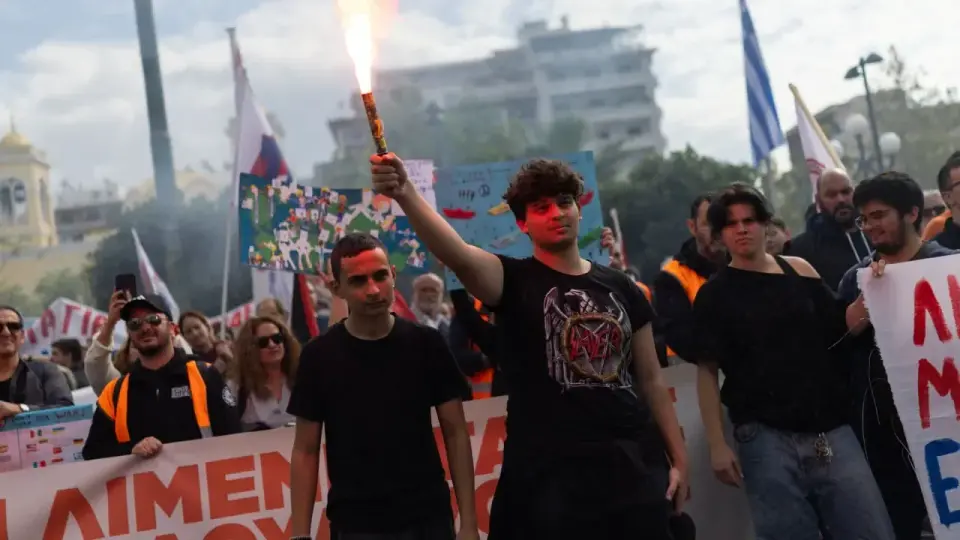
On October 30, 2026, dockworkers and seafarers across 22 countries staged a coordinated strike at 113 ports to protest arms shipments to Israel and demand better working conditions. Organized by the 'No Harbour for Genocide' coalition, the action halted an estimated $2 billion to $2.8 billion in cargo. While unions in Europe and the Mediterranean led the effort, Hamas praised the movement as a model for global labor solidarity. Experts noted that while the 24-hour strike caused minor supply chain disruptions, it highlighted the role of commercial logistics in sustaining the war in Gaza.
Key points
- Dockworkers in 113 ports across 22 countries struck on October 30, 2026, to block arms shipments to Israel and demand an end to the war in Gaza.
- The 'No Harbour for Genocide' coalition claimed the strike halted $2 billion to $2.8 billion in cargo, with 25 labor unions participating globally.
- Hamas issued a statement praising the strike, urging other groups to join the movement and reject the transfer of military equipment to Israel.
- Unions in France, Italy, Greece, Turkey, and Morocco issued joint demands for an end to port militarization, better wages, and safety measures for seafarers.
- Logistics experts predicted limited global supply chain impact, though perishable goods and time-sensitive shipments faced delays in key hubs like Genoa and Piraeus.
- The strike coincided with broader arms embargo campaigns in US cities like Houston and Oakland, targeting logistics companies such as Maersk and FedEx.
Background
This action follows a series of Israeli strikes in Gaza since the October 2025 ceasefire, including operations against Hamas leadership that killed civilians and senior figures. The strikes occurred despite a declared ceasefire, with over 1,500 Palestinians killed since then. The current port strike is part of a broader international campaign to disrupt the arms trade, building on earlier actions in February 2026 and ongoing protests in the US and Europe.
How outlets are covering it
The Jerusalem Post emphasized Hamas's endorsement of the 'No Harbour for Genocide' group, framing the strike as a direct challenge to Israel's military logistics. AP News focused on the labor aspects, noting that unions in Europe and North America demanded better pay and working conditions alongside anti-war slogans, while experts downplayed the economic impact. Common Dreams highlighted the scale of the action as the 'largest coordinated port action ever,' stressing the moral stance of workers against war. Truthout connected the strike to US-based arms embargo campaigns, particularly in Houston, where activists targeted logistics companies like Maersk for facilitating weapons shipments to Israel. While all sources agree on the strike's scope, they differ in emphasis: JPost and Common Dreams focus on the anti-Israel and anti-genocide framing, AP News balances labor and political demands, and Truthout links the global action to specific US corporate targets.
Why it matters
The strike demonstrates the growing power of international labor movements to disrupt military supply chains, potentially pressuring governments and corporations to halt arms shipments to conflict zones. It also highlights the intersection of labor rights and geopolitical conflicts, as workers demand better conditions while opposing the militarization of their workplaces. The action could set a precedent for future coordinated strikes against war-related logistics, influencing global trade and diplomatic dynamics.
What to watch
Unions may continue to monitor and block suspected military cargo, as urged by the 'No Harbour for Genocide' coalition. Further protests are expected in US ports like New Jersey, Oakland, and San Francisco. The strike's impact on global supply chains will be assessed in the coming days, with potential long-term effects on arms trade policies and labor rights in port cities.
- Pro-Palestinian group praised by Hamas for using global dockworkers' strike to push Israel boycott The Jerusalem Post
- Dockworkers worldwide strike against arms shipments and to demand better working conditions AP News
- Houston Activists Are Working to Disrupt the Flow of Weapons to Israel Truthout
- Dockworkers strike in Europe and beyond against arms shipments, war deaths Reuters
- With 'Largest Coordinated Port Action Ever,' Dockworkers in 22 Countries Strike Against Gaza Genocide Common Dreams
Want the full story? Read the original reporting
Read on The Jerusalem Post