
Israeli Opposition Targets Knesset Speaker Amid Post-Election Deadlock
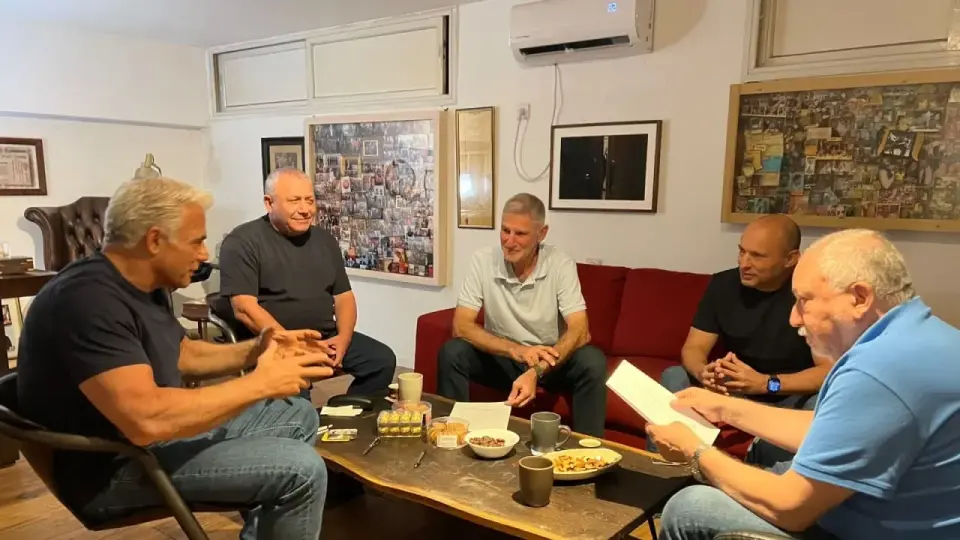
The Israeli opposition bloc has agreed to replace Likud Knesset Speaker Amir Ohana as its first move in the new parliament, aiming to control the legislative agenda even if Prime Minister Benjamin Netanyahu remains in a caretaker role. This strategic shift occurs amid a post-election deadlock where neither Netanyahu nor opposition leader Gadi Eisenkot secured a clear majority. While Eisenkot seeks to form a government based on specific principles, Arab-led parties have expressed frustration over being excluded from initial coalition talks, complicating the path to a stable government.
Key points
- The opposition bloc plans to oust Knesset Speaker Amir Ohana to gain control over the parliamentary agenda, committee appointments, and legislation, regardless of who forms the next government.
- Replacing the speaker requires a majority of 61 votes in the 120-member Knesset, potentially requiring support from Arab parties or defectors from the outgoing coalition.
- Gadi Eisenkot, leader of the Yashar party, has outlined conditions for coalition partners, including establishing an October 7 Commission of Inquiry, implementing compulsory military service, and repealing judicial reform laws.
- Arab-led Joint List leaders expressed feeling spurned by the opposition bloc for not including them in initial coalition negotiations, though they stated readiness to support efforts to remove the Netanyahu government.
- The move to replace the speaker is seen as a way to limit Netanyahu's influence as caretaker prime minister during the uncertain period of government formation.
Background
Following the October 27, 2026, elections, Israel faced a fragmented parliament with no clear winner. Netanyahu’s right-wing bloc held 53 seats, eight short of the 61 needed for a majority, while the opposition bloc led by Gadi Eisenkot secured 48 seats. Arab-led parties achieved a record 19 seats. Prior to the election, the opposition had united under a non-aggression pact to challenge Netanyahu, but internal ideological fractures remained, particularly regarding the inclusion of Arab parties in future coalitions. The current deadlock has left Netanyahu in charge as caretaker prime minister while President Isaac Herzog decides who to task with forming a government.
Why it matters
Controlling the Knesset speaker position is a critical strategic advantage in Israeli politics, as it determines the legislative agenda and committee structures. By targeting this role, the opposition aims to constrain Netanyahu's power during the caretaker period and shape the political landscape for the new government. The exclusion of Arab parties from initial coalition talks highlights ongoing tensions within the opposition bloc and may impact the stability and inclusivity of any future government. This maneuver underscores the high stakes of the post-election negotiations and the potential for a prolonged political limbo if a majority cannot be formed.
What to watch
The opposition bloc will likely proceed with the vote to replace Knesset Speaker Amir Ohana, potentially seeking support from Arab parties or defectors from the outgoing coalition. Gadi Eisenkot will continue negotiations to form a government based on his stated principles, while Arab-led parties may leverage their support to demand inclusion in coalition talks. President Isaac Herzog will need to decide who to task with forming a government, potentially leading to a unity government, a minority government, or a return to the polls if no majority is secured.
Want the full story? Read the original reporting
Read on The Jerusalem Post