
Hague Court Rules Indus Waters Treaty Binding, but India Rejects Jurisdiction
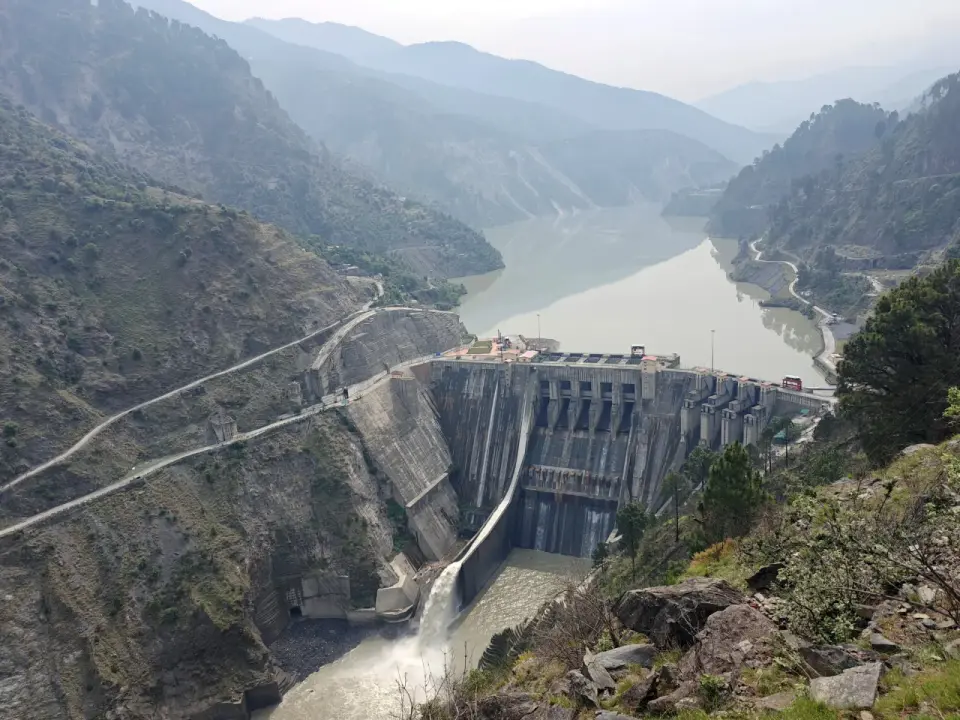
The Permanent Court of Arbitration (PCA) in The Hague ruled unanimously that the 1960 Indus Waters Treaty remains fully binding, rejecting India’s 2025 decision to suspend the agreement. While Pakistan welcomed the verdict as a legal victory, India dismissed the court’s jurisdiction, maintaining that its suspension of the treaty remains in effect. The ruling also restricts construction on India’s Ratle hydroelectric plant until a neutral expert delivers a final decision by July 2027, though enforcement mechanisms remain limited.
Key points
- The PCA issued a unanimous ruling on September 1, 2026, declaring the Indus Waters Treaty 'fully in force' and rejecting India’s grounds for suspending it, including cross-border terrorism and sovereignty claims.
- India’s Ministry of External Affairs rejected the verdict within hours, labeling the court 'illegally constituted' and asserting that its decision to place the treaty 'in abeyance' remains valid until Pakistan ends support for cross-border attacks.
- The court ordered India to limit construction on the Ratle hydroelectric plant in Kashmir, prohibiting work on specific structures until 90 days after a World Bank-appointed expert delivers a final decision, expected before July 2027.
- Pakistan’s Deputy PM and Foreign Minister Ishaq Dar stated the ruling provides a 'categorical legal basis' for potential countermeasures, while India did not participate in the hearings held in April 2026.
- Legal experts note that while the ruling strengthens Pakistan’s diplomatic position, there is no formal enforcement mechanism comparable to a UN Security Council order, limiting immediate practical impact.
Background
The dispute stems from April 2025, when India suspended the treaty following a deadly attack on tourists in Indian-administered Kashmir, blaming Pakistan for cross-border terrorism. Pakistan, which relies on the treaty for 80% of its irrigated agriculture, applied to the PCA in March 2026 to determine the treaty’s status. The Indus Waters Treaty, brokered by the World Bank in 1960, has survived three wars but faces its most significant legal challenge since its inception. Recent tensions include the May 2025 military conflict and ongoing disagreements over water data sharing and site inspections, which have been halted since 2023.
How outlets are covering it
Al Jazeera emphasizes the legal significance of the PCA’s unanimous rejection of India’s arguments, highlighting Pakistan’s diplomatic victory and the potential for future countermeasures under international law. It notes that while the ruling is binding, enforcement remains difficult without a UN Security Council mechanism. CNBC focuses on the immediate practical consequences, specifically the restriction on the Ratle hydroelectric plant and India’s categorical rejection of the court’s jurisdiction. Both sources agree that India’s non-participation in the hearings does not invalidate the ruling, but they differ in emphasis: Al Jazeera highlights the existential framing of the dispute by Pakistani officials, while CNBC underscores the economic impact on Pakistan’s agriculture and labor force. Neither source disputes the factual basis of the court’s decision or India’s refusal to comply.
Why it matters
The ruling establishes a precedent for the enforceability of international water treaties, potentially influencing future disputes over shared resources. For Pakistan, it validates its legal stance but does not guarantee immediate water flow, as India controls the upstream infrastructure. For India, the rejection of the ruling signals a continued strategy of using water as a geopolitical lever, potentially escalating tensions between two nuclear-armed neighbors. The lack of enforcement mechanisms highlights the limitations of international arbitration in resolving high-stakes geopolitical disputes, raising questions about the future stability of the Indus basin and regional security.
What to watch
India is expected to continue its construction on the Ratle hydroelectric plant, defying the PCA’s interim restrictions. Pakistan may pursue diplomatic pressure at international forums or consider countermeasures under international law, as suggested by legal experts. The World Bank-appointed neutral expert is expected to deliver a final decision on the Ratle project before July 2027, which could further complicate the dispute. Both nations are likely to maintain their current stances, with India insisting on its sovereign rights and Pakistan demanding compliance with the treaty’s obligations. The situation may remain in a state of legal and diplomatic limbo until a resolution is reached through bilateral negotiations or further international intervention.
- Pakistan wins Indus waters battle at The Hague, but India threat remains aljazeera.com
- India rejects court order to uphold decades-old water-sharing treaty with Pakistan CNBC
- India must uphold water-sharing treaty with Pakistan, international court says Reuters
- Court says India must uphold Pakistan water treaty DW.com
- Citing lack of jurisdiction, India rejects Hague court’s Indus Waters Treaty ruling The Hindu
Want the full story? Read the original reporting
Read on aljazeera.com