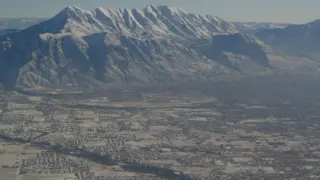
Researchers have used gravity measurements to map a massive, hidden ice reserve beneath Mount Timpanogos in Utah. The study reveals that rock glaciers, often mistaken for loose debris, contain significant freshwater that is currently unaccounted for in regional water models.
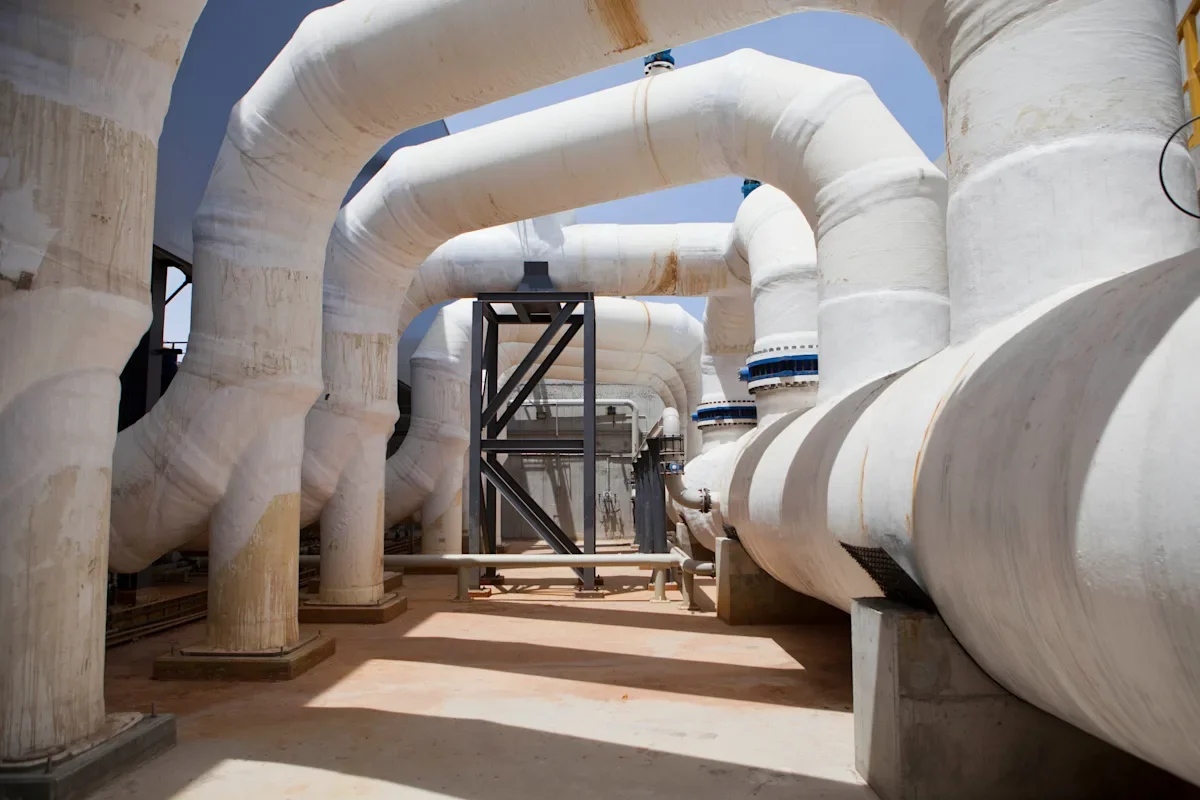
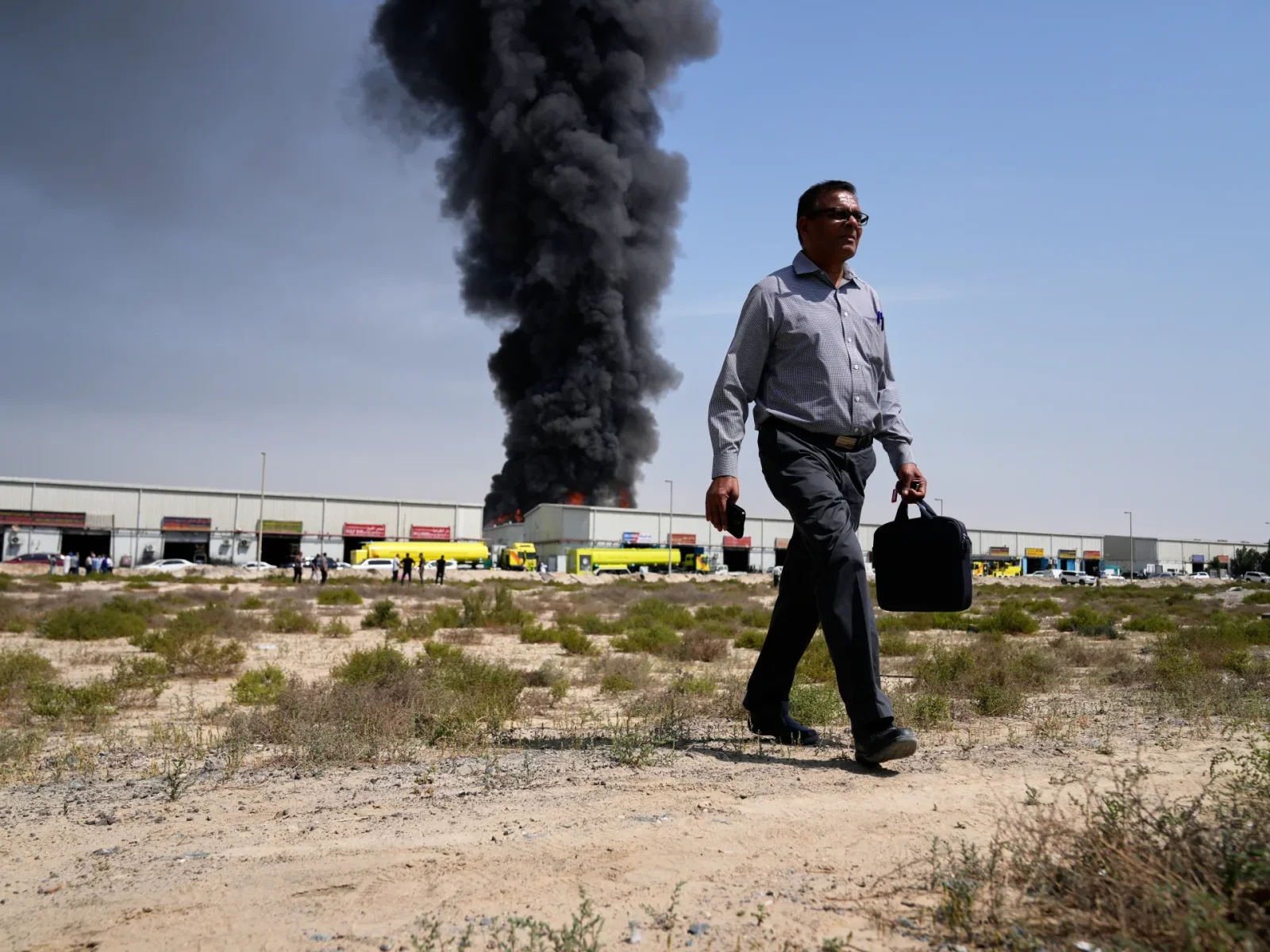
A massive microalgae bloom in the Mediterranean Sea has temporarily crippled five of Israel's six major desalination plants, raising urgent concerns about the nation's water security. The event, which peaked at 100km long and 7km wide, is attributed to a combination of record-high sea temperatures, nutrient pollution, and the destruction of Gaza's wastewater infrastructure. While plants are now operating at reduced capacity, experts warn that the incident highlights critical vulnerabilities in Israel's centralized water system and the environmental consequences of the ongoing war in Gaza.
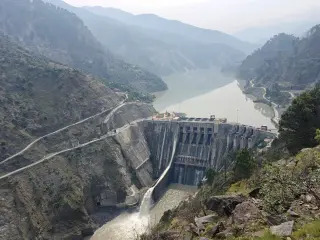
The Permanent Court of Arbitration (PCA) in The Hague ruled unanimously that the 1960 Indus Waters Treaty remains fully binding, rejecting India’s 2025 decision to suspend the agreement. While Pakistan welcomed the verdict as a legal victory, India dismissed the court’s jurisdiction, maintaining that its suspension of the treaty remains in effect. The ruling also restricts construction on India’s Ratle hydroelectric plant until a neutral expert delivers a final decision by July 2027, though enforcement mechanisms remain limited.
India has rejected a Hague-based arbitration ruling that upheld the 1960 Indus Waters Treaty with Pakistan, asserting that the court lacks jurisdiction over its sovereign decisions. While the Permanent Court of Arbitration ruled that the treaty remains fully binding and cannot be unilaterally suspended, India maintains its decision to place the agreement in abeyance. The ruling also imposes temporary restrictions on construction at the Ratle hydroelectric plant in Kashmir, pending a final expert decision expected by July 2027. This dispute highlights deepening tensions between the two nuclear-armed neighbors over water rights and infrastructure development.
Hackers coordinated an attack on water facilities in multiple states, forcing boil-water notices and switching to manual operation as systems go offline. No drinking-water contamination has been reported, but the incident is being treated as one of the most serious cyberattacks on U.S. water infrastructure in years. Minnesota first flagged attacks on about 30 systems, with Wisconsin and others reporting related incidents; federal agencies (CISA, FBI, EPA) are scrambling to secure vulnerable PLCs and facilities. Attribution remains uncertain, though Iran is among suspected actors. Experts warn the water sector’s cybersecurity remains underfunded and under-defended against such intrusions.
CISA warns of a rising trend of hackers targeting U.S. water and wastewater facilities by manipulating PLCs and changing passwords to lock operators, prompting boil-water notices and manual operation. Minnesota reported a coordinated attack affecting more than 30 community water systems earlier this week, with investigators briefly weighing a possible Iran link; the overall water infrastructure remains vulnerable as probes continue.
The United States says its attacks on Iran were a response to Iranian escalation, but Iran reports civilian water infrastructure—two reservoirs near Sirik serving thousands of residents—was damaged, highlighting Iran’s severe drought and the civilian impact of the fighting; a prior strike on a desalination plant worsened water shortages, and Iran calls the action a potential war crime under international humanitarian law.
More than two-thirds of Earth's freshwater is frozen in ice caps and glaciers, with Antarctica alone holding about 70% of all fresh water (roughly 28–30 million cubic km). While the global stock is vast, the portion that is easily usable is tiny—about 1% of total freshwater—leaving the majority of water either locked in ice or buried too deep for practical extraction. Groundwater accounts for roughly 30% of freshwater, but much of it is not readily pumpable; the upshot is that water security depends on access and distribution, not total supply.
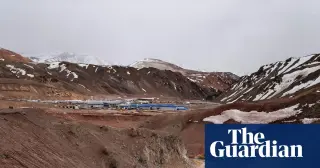
Argentina's Milei government approved a reform to the 2010 glacier protection law, letting provinces decide which glaciers are protected based on whether they serve a 'relevant water function'. Supporters say the change will attract investment in minerals essential for the energy transition, but critics warn it erodes a national environmental standard and could threaten drinking water for about 7 million Argentines who rely on glacier-fed rivers. The reform has sparked protests and drawn warnings from scientists about glaciers’ broader ecological and hydrological roles.
Argentina's lower house approved the glacier-law amendment 137-111 (with three abstentions), enabling mining in ecologically sensitive glacier and periglacial areas amid protests; environmentalists warn it threatens water supplies, while backers say it clarifies policy and could boost mining exports by giving provinces more authority to designate protected zones.
Trump said on Truth Social that if a deal isn’t reached and the Hormuz Strait remains blocked, the U.S. could blow up Iran’s energy infrastructure and possibly its desalination plants, a move that could jeopardize Gulf water supplies that rely heavily on desalinated water. Desalination is vital for cities across the region, so such attacks would carry humanitarian and geopolitical consequences, with Gulf states scrambling to bolster backups while international law prohibits targeting civilian water infrastructure.
Trump has threatened to destroy Iran's desalination plants; such an action could devastate Iran's water supply, threaten civilian livelihoods, and risk escalating tensions across the Middle East, underscoring the global consequences of water security and regional diplomacy.
A UN official warns Iran could target desalination plants across the Middle East within days, risking a regional water crisis with immediate and lasting knock-on effects on global markets, including oil prices. The report cites alleged strikes on facilities such as Bahrain and Iran’s Qeshm Island plant amid escalating tensions over the Strait of Hormuz, with Iran threatening retaliation against energy and infrastructure targets if attacked.
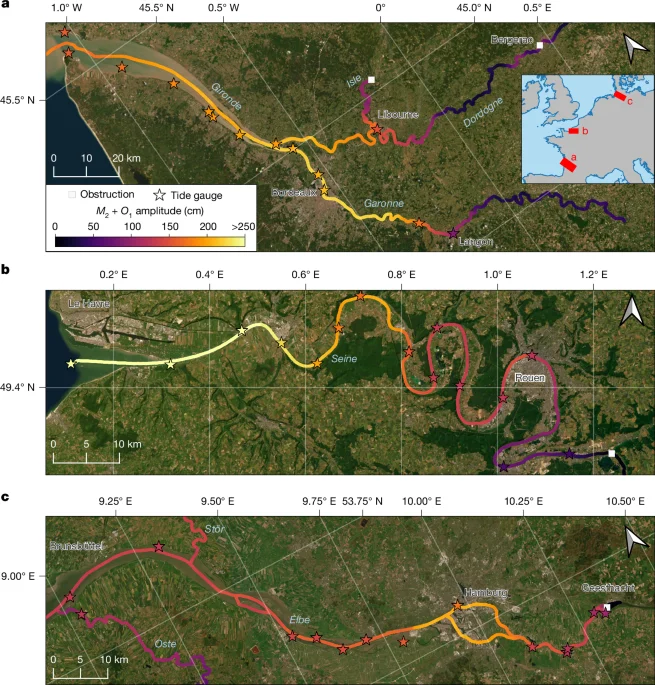
Using the SWOT satellite’s wide-swath altimetry, researchers mapped tidal elevations across 3,172 coastal rivers and identified over 165,000 km of tidal reach on 51,627 river branches, revealing that tides influence hundreds of millions of people and many waterways. Tidal amplitudes at river mouths, channel slope, width, and human-made obstacles shape how far tides propagate upstream, with dams notably limiting tidal extent in about 16% of rivers. The study, validated against 622 tide gauges and supported by the RiverSP dataset, provides a global atlas of tidal rivers, enabling improved flood/drought analysis, saltwater intrusion prediction, and hydrologic–ecologic modelling for coastal water security under climate change.
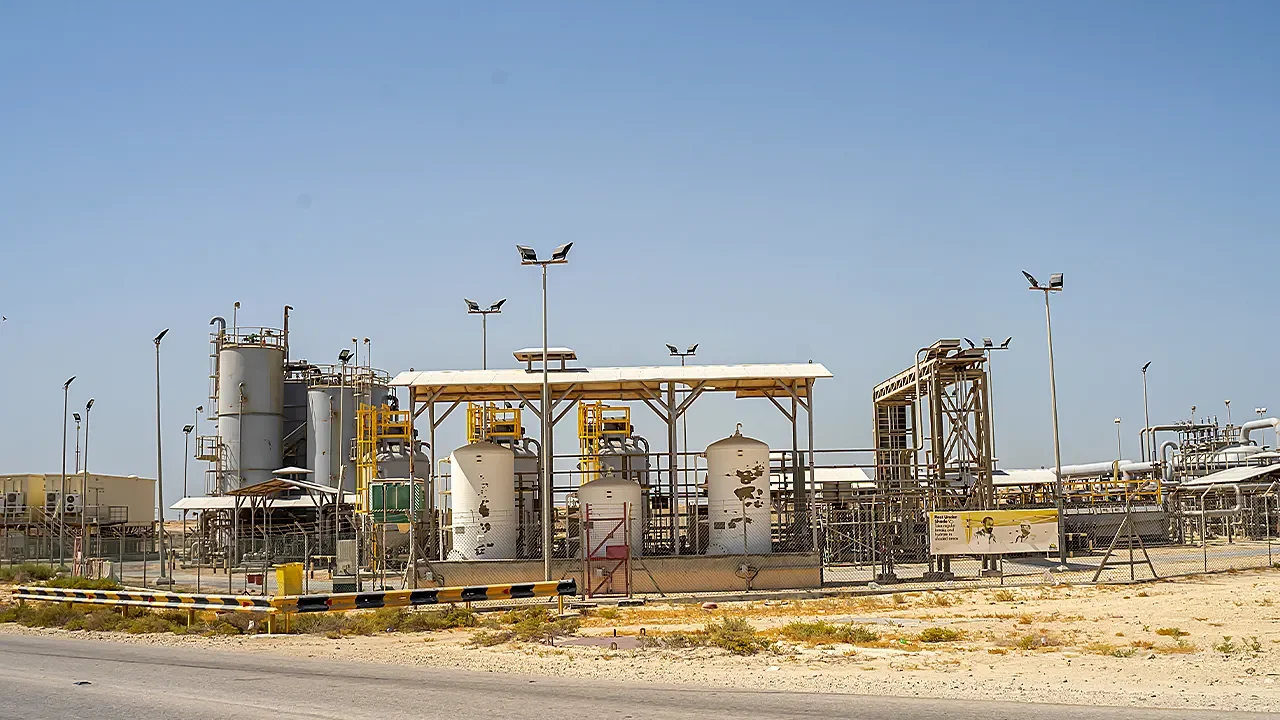
Bahrain says an Iranian drone damaged a Gulf desalination plant—the first reported attack in the region during the current conflict—while Iran accuses the US of hitting a plant on Qeshm Island, highlighting the Gulf’s heavy reliance on desalinated water. GCC states account for a large share of global desalination capacity, making outages potentially severe for drinking water and agriculture; experts urge regional coordination, diversified and distributed desalination, and shared water reserves to bolster resilience amid ongoing tensions.