
Hamburg Trial Begins for Ukrainian Accused of Nord Stream Sabotage
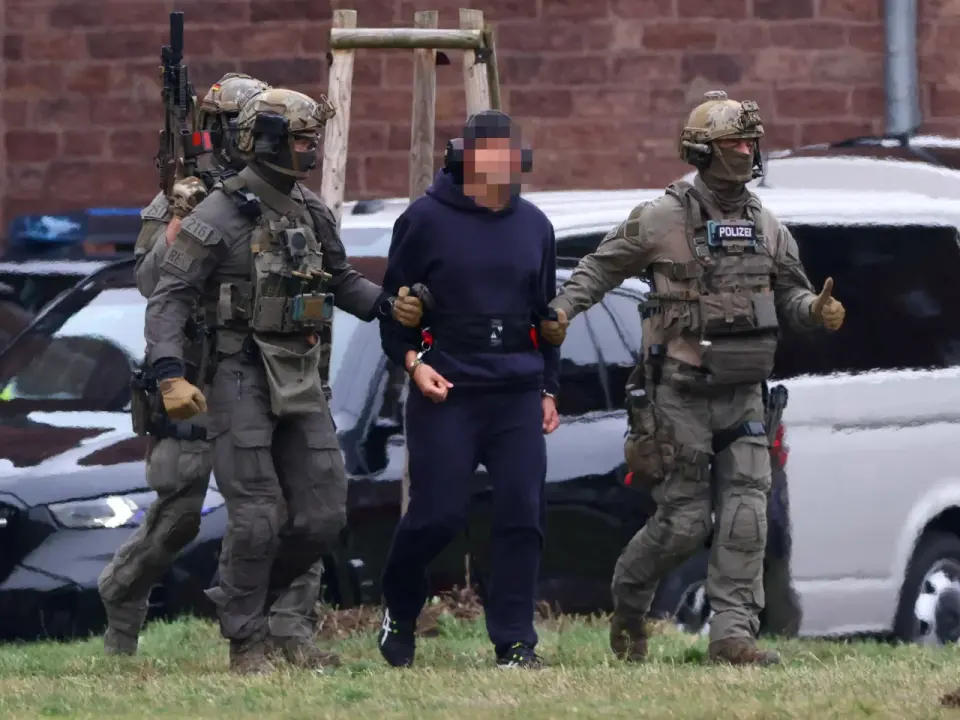
A former Ukrainian military officer, Serhii K., is standing trial in Hamburg, accused of leading a team that destroyed three Nord Stream gas pipelines in September 2022. German prosecutors allege he acted on behalf of Ukrainian state agencies to cut off Russian gas revenue, a charge he and Kyiv deny. The trial, expected to last until February 2027, highlights a diplomatic rift between Berlin and Kyiv, as Germany balances its support for Ukraine with its legal duty to prosecute alleged war crimes. A second suspect, Volodymyr Zhuravlov, is awaiting extradition from Croatia after a Polish court previously refused to hand him over, citing the attack as a justified wartime response.
Key points
- Serhii K., a 50-year-old former Ukrainian officer, is the sole defendant in the Hamburg trial, which opened on October 14, 2026, and is expected to conclude by February 2027.
- Prosecutors allege K. led a team of divers and an explosives expert who used a rented sailboat to attach military-grade explosives to the pipelines near the Danish island of Bornholm.
- The blasts on September 26, 2022, ruptured three of the four pipelines, releasing massive amounts of methane and cutting off a major source of Russian gas to Europe, particularly Germany.
- German prosecutors classify the act as a war crime, citing the destruction of civilian infrastructure, while Ukraine’s government maintains it had no involvement in the sabotage.
- A second suspect, Volodymyr Zhuravlov, was arrested in Croatia and approved for extradition to Germany, reversing a previous Polish court ruling that deemed the attack a justified response to Russia’s invasion.
Background
The Nord Stream pipelines were central to European energy debates before the 2022 Russian invasion of Ukraine. Nord Stream 1 supplied about half of Germany’s natural gas imports, while Nord Stream 2 was completed but never activated after Berlin cancelled approval. The 2022 explosions occurred months after Russia’s full-scale invasion, heightening tensions over European reliance on Russian hydrocarbons. Germany has since provided over 100 billion euros in aid to Ukraine, creating a complex diplomatic landscape for this trial.
How outlets are covering it
Al Jazeera emphasizes the geopolitical tension, noting Germany’s difficult position as a major aid donor to Ukraine while prosecuting a case that implicates Kyiv. CNN provides a detailed refresher on the investigation, highlighting the cross-border efforts and the eventual focus by German authorities after Denmark and Sweden closed their inquiries. BBC focuses on the diplomatic strain, quoting Ukrainian officials who view the pipelines as a Russian tool for war preparation, and German officials who have tried to depoliticize the case by leaving it to the judiciary. All sources agree on the basic facts of the trial and the suspects' denials, but differ in emphasis: Al Jazeera on the energy impact, CNN on the investigative process, and BBC on the diplomatic fallout.
Why it matters
The trial sets a precedent for holding state actors accountable for sabotage of critical infrastructure in wartime. It tests the limits of international law and the diplomatic relationships between allied nations. The outcome could influence future energy security policies and the legal frameworks surrounding wartime actions against civilian infrastructure.
What to watch
The trial is expected to continue until February 2027. The extradition of Volodymyr Zhuravlov from Croatia is pending, and it remains unclear if his case will be joined with Serhii K.’s. The verdict will likely have significant implications for Germany-Ukraine relations and the broader legal discourse on wartime sabotage.
- Ukrainian ex-officer goes on trial in Germany over Nord Stream blasts Al Jazeera
- A trial over one of the biggest acts of sabotage in decades is getting underway. Here’s a refresher CNN
- Nord Stream Trial Tests Germany’s Alliance With Ukraine WSJ
- Germany puts Ukrainian on trial accused of blowing up Nord Stream pipelines BBC
- Lawyers at start of Nord Stream trial argue bombing may not have been a crime Reuters
Want the full story? Read the original reporting
Read on Al Jazeera