
ICJ Finds Myanmar Committed Genocide Against Rohingya, Setting Precedent for Intent
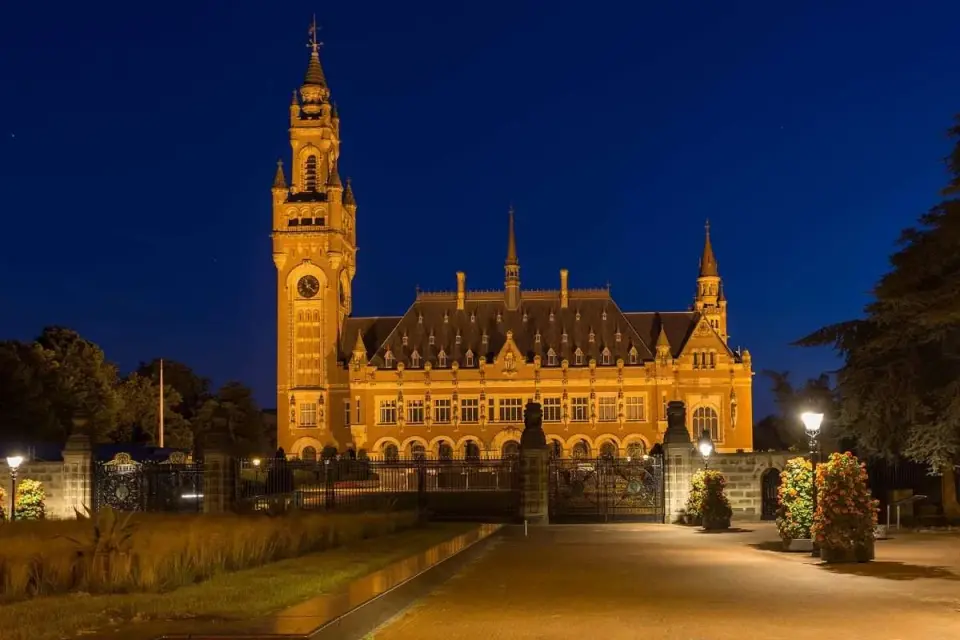
The International Court of Justice (ICJ) ruled 9-6 that Myanmar committed genocide against the Rohingya in 2017, marking the first time a state has been held liable under the 1948 Genocide Convention. The court found that Myanmar’s security forces killed approximately 10,000 civilians and acted with intent to destroy the group, rejecting the defense that the operations were legitimate counter-insurgency measures. The ruling orders reparations but lacks direct enforcement mechanisms, while setting a legal precedent for other pending cases, including South Africa’s claim against Israel.
Key points
- The ICJ ruled 9-6 that Myanmar committed genocide against the Rohingya in 2017, marking the first time a state has been held liable under the 1948 Genocide Convention.
- The court found that Myanmar’s security forces killed approximately 10,000 civilians and acted with intent to destroy the group, rejecting the defense that the operations were legitimate counter-insurgency measures.
- The ruling orders Myanmar to provide reparations, including the safe return of refugees, but lacks direct enforcement mechanisms.
- Legal experts note the decision establishes a new precedent for proving genocidal intent through circumstantial evidence, potentially impacting pending cases against Israel and Russia.
- The court found that Myanmar’s security forces killed thousands of Rohingya civilians, perpetrated widespread acts of sexual violence, as well as acts of extreme violence against children, and attacked fleeing Rohingya as they sought to flee in large numbers.
Background
The case was brought by The Gambia in 2019, asking the ICJ to rule that Myanmar breached the 1948 Genocide Convention. The court had previously issued provisional measures in 2020. The ruling comes as the ICJ is also handling genocide allegations linked to the Gaza conflict and the war in Ukraine. In 2007, the ICJ ruled that Serbia violated the obligation to prevent genocide in the 1995 Srebrenica massacre, but did not find that Serbia itself committed genocide.
How outlets are covering it
AP News and Al Jazeera emphasize the historic nature of the ruling as the first time a state has been found liable for genocide under the Genocide Convention. The Guardian focuses on fears that the US may impose sanctions on ICJ judges, including Nobel Peace Prize winner Navi Pillay, if the court rules that Myanmar committed genocide. EJIL: Talk! provides a detailed legal analysis, noting that the court’s approach to proving genocidal intent through circumstantial evidence is a significant departure from prior case law, potentially making it easier to establish genocide in future cases.
Why it matters
The ruling sets a precedent for proving genocidal intent through circumstantial evidence, which could impact pending cases against Israel and Russia. It also highlights the lack of enforcement mechanisms for ICJ rulings, as the court has no way to enforce its decisions beyond reporting noncompliance to the UN Security Council. The decision may also influence the public perception of genocide as a legal concept, with some experts arguing that the court’s approach may lower the threshold for proving genocide.
What to watch
Myanmar is ordered to provide reparations, including the safe return of refugees, but lacks direct enforcement mechanisms. The case could impact genocide allegations elsewhere, including South Africa’s claim against Israel and Ukraine’s case against Russia. The US may impose sanctions on ICJ judges if the court rules that Myanmar committed genocide, as it has already done with the ICC.
- Did the Court Change its Approach to Defining or Proving Genocidal Intent in Gambia v. Myanmar and Did it Get it Right? Part II EJIL: Talk!
- For the first time, UN’s highest court finds a country responsible for genocide: Myanmar AP News
- Fears grow that US will put Nobel-winning judge under sanctions after Myanmar genocide ruling The Guardian
- What does the ICJ’s Rohingya genocide ruling mean for Gaza? Al Jazeera
- Opinion | Defining Genocide Down at the International Court of Justice WSJ
Want the full story? Read the original reporting
Read on EJIL: Talk!