
Core Exercises May Outperform Knee-Focused Rehab for Osteoarthritis Pain
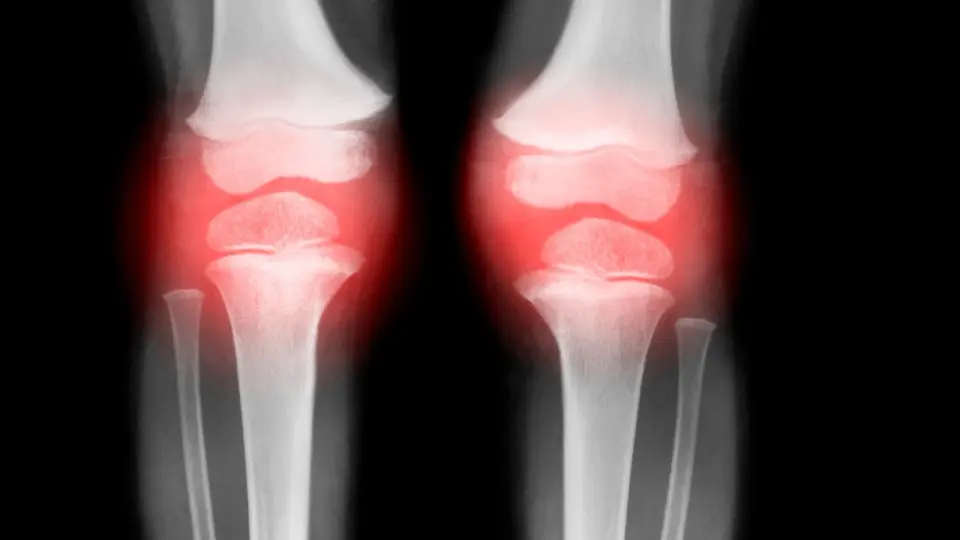
A randomized controlled trial in India indicates that adding core muscle exercises to standard knee rehabilitation significantly improves physical function and reduces pain in patients with mild to moderate knee osteoarthritis. While conventional knee-focused exercises alone reduced resting pain, the group that also performed core training showed greater improvements in mobility, quality of life, and pain during movement. The study suggests that strengthening the trunk may stabilize the body and reduce strain on the lower limbs, offering a non-pharmacological approach to managing joint degeneration.
Key points
- The trial involved 100 participants aged 40 to 80 with mild to moderate knee osteoarthritis, randomized into two groups for a 12-week intervention.
- One group performed conventional knee rehabilitation, including straight-leg raises and quadriceps strengthening, while the other group added core exercises such as planks, glute bridges, and dead bugs.
- Both groups experienced reduced resting pain, but the core training group demonstrated superior results in physical function tests and reported less pain during movement.
- The core training group also reported greater improvements in overall quality of life compared to the conventional exercise group.
- Researchers hypothesize that improved posture control and trunk stability from core exercises reduce strain on the lower limbs, leading to better biomechanical outcomes.
Background
Recent coverage has highlighted various non-surgical approaches for knee osteoarthritis, including the experimental drug retatrutide, which showed significant pain reduction in obese patients, and inulin fiber supplements that may ease pain via gut health. These studies emphasize that while pharmacological and dietary interventions are promising, foundational approaches like diet and exercise remain critical for joint stability. The current finding adds to a growing body of evidence suggesting that holistic body stability, rather than isolated joint treatment, may be key to managing osteoarthritis symptoms.
Why it matters
For millions of people suffering from knee osteoarthritis, this study offers a simple, accessible, and potentially more effective treatment option. By incorporating core exercises into existing rehabilitation programs, patients may achieve better functional outcomes and pain relief without relying solely on medication or invasive procedures. This underscores the importance of a whole-body approach in physical therapy and highlights the often-overlooked role of trunk stability in lower limb health.
What to watch
Researchers will likely conduct larger, multi-center trials to confirm these findings and determine the optimal core exercise protocols for different patient populations. Additionally, clinical guidelines for knee osteoarthritis treatment may be updated to include core strengthening as a standard component of rehabilitation programs, moving beyond traditional knee-focused exercises.
Want the full story? Read the original reporting
Read on ScienceAlert