
ICJ Myanmar Genocide Verdict Looms Amid US Threats to Sanction Judges
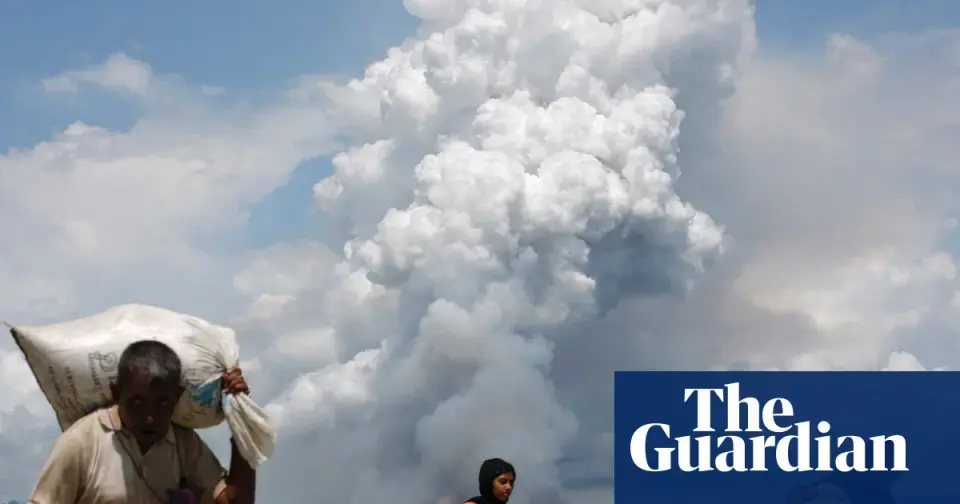
The International Court of Justice is set to rule on Thursday whether Myanmar committed genocide against the Rohingya. US officials have warned they may sanction judges if the ruling lowers the legal threshold for proving intent, a move critics fear could impact future cases, including those involving Israel.
Key points
- The ICJ will deliver its judgment on The Gambia’s 2019 case against Myanmar regarding the 2017 military crackdown on the Rohingya.
- US Ambassador Mike Waltz and Secretary of State Marco Rubio have warned that a genocide finding could lower the legal threshold for the crime, potentially exposing US troops to future prosecution.
- The US has already sanctioned the International Criminal Court and threatened similar measures against the ICJ if it rules against Myanmar.
- Navi Pillay, the 2026 Nobel Peace Prize winner and ad hoc judge in the case, has been specifically targeted by US warnings.
- Rohingya refugees in Bangladesh await the verdict, hoping it will facilitate their return, though experts note that ongoing civil war in Myanmar makes repatriation unlikely in the short term.
Background
The ICJ has never previously found a state responsible for genocide. In October 2026, Navi Pillay won the Nobel Peace Prize for her work in international justice, including leading a commission that found genocide in Gaza. The US has recently imposed sanctions on the ICC after it issued arrest warrants for Israeli leaders, describing the ICC as a 'rogue court.'
How outlets are covering it
The Guardian and The Times of Israel highlight the US government’s concern that a ruling in the Myanmar case could set a precedent for the ongoing South Africa v. Israel case at the ICJ. Al Jazeera focuses on the humanitarian impact, noting that while a genocide ruling would provide legal recognition, it would not immediately solve the displacement crisis due to Myanmar’s civil war and the lack of trust between the Arakan Army and Rohingya communities. All sources agree that proving 'intent' is the central legal hurdle in the case.
Why it matters
The ruling will be the first substantive ICJ decision on genocide in over a decade. It will define how international courts assess state intent to destroy a group, potentially influencing future cases involving other conflicts, including the war in Gaza. The US threat of sanctions also raises questions about the independence of international judicial bodies.
What to watch
The ICJ is expected to announce its judgment on Thursday. If the court rules that Myanmar committed genocide, it may order reparations and safe return for refugees. The US may follow through on threats to sanction ICJ judges if it perceives the ruling as lowering the legal threshold for genocide.
- Fears grow that US will put Nobel-winning judge under sanctions after Myanmar genocide ruling The Guardian
- What to Know About the Myanmar Genocide Case at the World Court The New York Times
- ‘We want to go back’: Rohingya refugees pin hopes on ICJ genocide verdict Al Jazeera
- Explainer: What is the International Court of Justice? Reuters
- ICJ set to rule on Myanmar genocide, in potential preview for case against Israel The Times of Israel
Want the full story? Read the original reporting
Read on The Guardian