
ICJ Rules Myanmar Committed Genocide Against Rohingya in Historic 9-6 Verdict
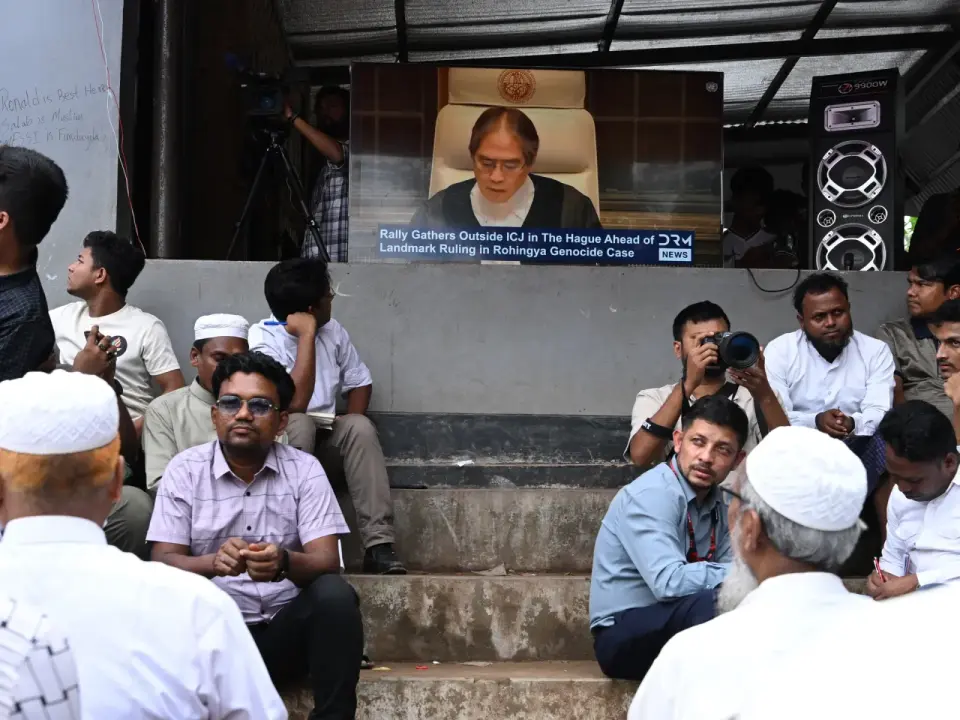
The International Court of Justice (ICJ) ruled on November 19, 2026, that Myanmar committed genocide against the Rohingya minority during its 2017 military campaign in Rakhine State. The 9-6 decision marks the first time a state has been held responsible for genocide under the 1948 Genocide Convention. The court ordered Myanmar to provide reparations, including facilitating the safe return of refugees, but lacks direct enforcement power. The ruling has significant implications for other pending genocide cases, including South Africa’s claim against Israel.
Key points
- The ICJ found that Myanmar’s 2016-2017 military operations in Rakhine State involved the intent to destroy a substantial part of the Rohingya population, resulting in approximately 10,000 deaths and the displacement of over 700,000 people.
- The court ordered Myanmar to provide reparations, including allowing the safe, voluntary, and dignified return of Rohingya refugees and returning all property lost or damaged. However, the ICJ lacks direct enforcement mechanisms, and Myanmar has denied the allegations, maintaining that its actions were counter-terrorism measures.
- The ruling has significant implications for other pending genocide cases, including South Africa’s claim against Israel over its war in Gaza and Ukraine’s case against Russia. The US has reacted cautiously, stating it is studying the decision to assess its implications while stressing the importance of preventing the politicization of the ICJ.
- The Gambia, which brought the case against Myanmar in 2019 with the support of the Organisation of Islamic Cooperation, welcomed the ruling as a historic day for international justice. The UN Secretary-General, António Guterres, called the ruling a demonstration of international justice and a reaffirmation that impunity for such horrific acts must not stand.
Background
The case was brought by The Gambia in 2019, with the support of the Organisation of Islamic Cooperation. The ICJ has been closely watched by governments, lawyers, rights groups, and Rohingya communities for its implications for how states are judged under the 1948 Genocide Convention. The court’s decision comes at a time when the broader idea of international justice has come under fire from the Trump administration, which has vowed to dismantle the International Criminal Court (ICC). The ICJ and ICC are separate entities, and the administration has yet to question the legitimacy of the ICJ.
How outlets are covering it
The Gambia, which brought the case against Myanmar, welcomed the ruling with 'profound satisfaction,' calling it a historic day for international justice. The UN Secretary-General, António Guterres, described the ruling as a 'demonstration of international justice' and a reaffirmation that impunity for such horrific acts must not stand. The US, however, reacted cautiously, stating it was studying the decision to assess its implications while stressing the importance of preventing the politicization of the ICJ. The EU praised the ruling as a 'landmark' judgment and emphasized that compliance with ICJ decisions is an obligation under international law. The UK called for an urgent UN Security Council session to discuss the ruling and expelled Myanmar’s defence attache. The ruling has also been seen as setting a precedent for other pending genocide cases, including South Africa’s claim against Israel, which the US has pushed back on.
Why it matters
The ICJ’s ruling is a historic first, marking the first time a state has been held responsible for genocide under the 1948 Genocide Convention. The decision has significant implications for international law and the enforcement of human rights. It sets a precedent for other pending genocide cases, including those involving Israel and Russia. The ruling also highlights the ongoing plight of the Rohingya people, who remain displaced and face dire conditions in refugee camps in Bangladesh. The decision underscores the importance of international justice and the need to hold states accountable for atrocities.
What to watch
The ICJ has ordered Myanmar to provide reparations, including facilitating the safe return of Rohingya refugees and returning all property lost or damaged. However, the court lacks direct enforcement mechanisms, and Myanmar has denied the allegations. The UN Security Council could decide to implement the court’s ruling through a resolution, but a tough resolution against Myanmar could be vetoed by China or Russia. The ruling is expected to have a significant impact on other pending genocide cases, including South Africa’s claim against Israel. The US is studying the decision to assess its implications, while the EU and other countries are calling for Myanmar to comply with the ruling without delay.
- World reacts to ICJ finding Myanmar guilty of genocide against Rohingya Al Jazeera
- Jeremy Bowen: Myanmar genocide verdict is historic and could have far-reaching implications BBC
- US reacts cautiously to Myanmar genocide ruling as EU praises ‘critical’ role of UN’s top court The Guardian
- The Rohingya Crisis Over the Years The New York Times
- UN top court finds Myanmar guilty of committing genocide against Rohingya minority CNN
Want the full story? Read the original reporting
Read on Al Jazeera