
ICJ Rules Myanmar Committed Genocide Against Rohingya in Historic First
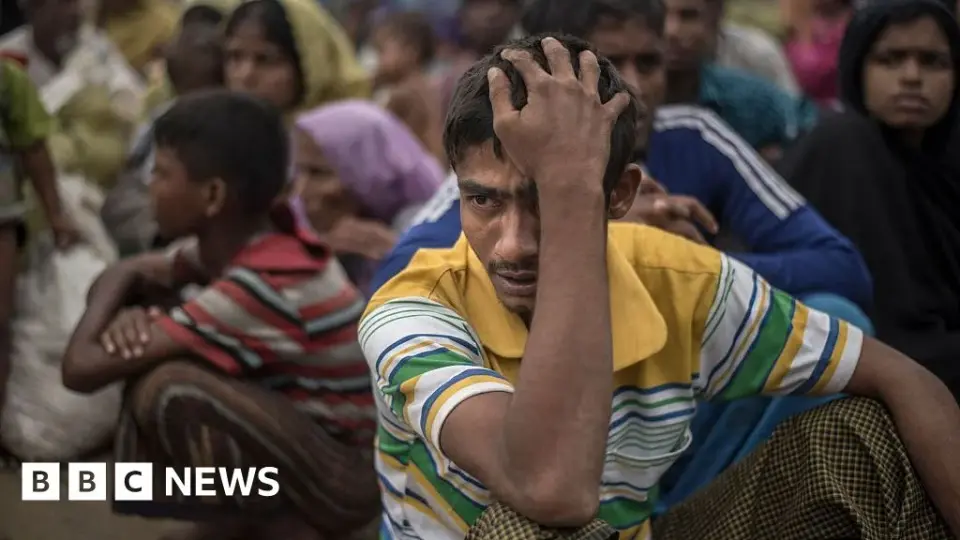
The International Court of Justice (ICJ) ruled that Myanmar committed genocide against the Rohingya minority, marking the first time a state has been found liable under the 1948 Genocide Convention. The 9-6 verdict orders reparations but lacks enforcement mechanisms, while setting a legal precedent for other pending cases, including South Africa’s claim against Israel.
Key points
- The ICJ ruled 9-6 that Myanmar’s 2016-2017 military actions in Rakhine State constituted genocide, finding intent to destroy a substantial part of the Rohingya population.
- The court ordered Myanmar to provide reparations, including facilitating the safe return of refugees and restoring property, but lacks direct enforcement power.
- The ruling sets a legal precedent for other genocide cases, notably South Africa’s claim against Israel regarding Gaza, by clarifying the evidentiary standard for proving genocidal intent.
- Myanmar’s government rejected the verdict as unfair and non-unanimous, while the US expressed caution, warning against lowering the legal threshold for genocide to avoid politicization.
- Over 1.2 million Rohingya refugees in Bangladesh celebrated the ruling, but immediate improvements in their living conditions or return to Myanmar remain unlikely due to ongoing conflict and lack of enforcement.
Background
The ICJ case was brought by The Gambia in 2019 with support from the Organisation of Islamic Cooperation. Prior to this ruling, the US and Canada had declared the 2017 atrocities as genocide, but no international court had previously found a state liable. The 1948 Genocide Convention, drafted after the Holocaust, sets a high bar for proving intent, making such rulings rare.
How outlets are covering it
BBC and CNN emphasized the historic nature of the verdict and its potential to clarify legal standards for other cases, including South Africa’s claim against Israel. NBC News highlighted Myanmar’s government rejection of the ruling as unfair and non-unanimous. The US, via UN Ambassador Mike Waltz, warned against lowering the genocide threshold, citing concerns for allied soldiers, while the UK called for UN Security Council action. Rohingya survivors in Bangladesh expressed relief but noted the ruling does not immediately improve their dire conditions.
Why it matters
The ruling establishes a precedent for proving genocidal intent through patterns of conduct, impacting future cases. It reinforces international law’s role in holding states accountable, though enforcement remains a challenge. The decision also highlights tensions between international justice and political interests, particularly regarding the US and Israel.
What to watch
Myanmar is unlikely to comply with reparations orders, and the ICJ lacks enforcement mechanisms. The UK has called for an urgent UN Security Council session, but China or Russia may veto tough resolutions. The ruling may influence South Africa’s case against Israel, though outcomes are not guaranteed. Rohingya refugees remain in Bangladesh, with no immediate path to return.
- Jeremy Bowen: Myanmar genocide verdict is historic and could have far-reaching implications BBC
- In historic first, UN top court rules a country committed genocide CNN
- U.N. top court’s landmark ruling on state-sponsored Rohingya genocide ‘unfair,’ Myanmar says NBC News
- Myanmar Genocide Ruling Sets Up Court Fight Over Israel and Gaza The New York Times
- Myanmar’s regime is convicted of genocide The Economist
Want the full story? Read the original reporting
Read on BBC