
ICJ’s historic Myanmar genocide ruling sparks emotional relief in Bangladesh and legal ripple effects for Gaza
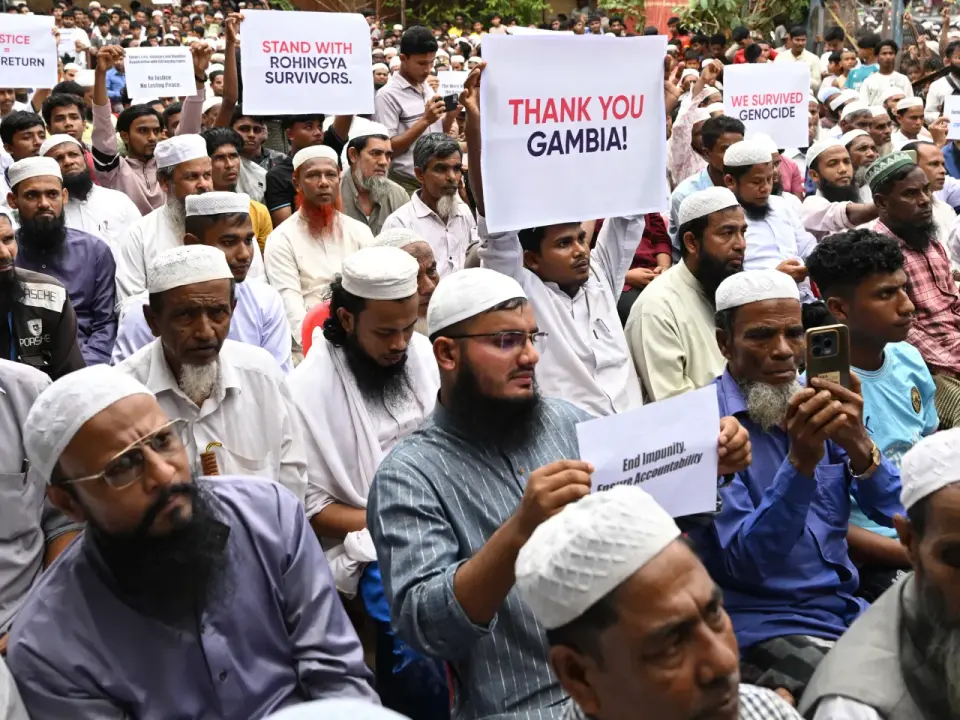
The International Court of Justice (ICJ) ruled on November 19, 2026, that Myanmar committed genocide against the Rohingya minority during its 2017 military crackdown. The 9-6 decision, brought by The Gambia, marks the first time a state has been found guilty of genocide under the 1948 Genocide Convention. The ruling found that over 10,000 Rohingya were killed and more than 700,000 displaced. While the verdict has brought emotional relief to refugees in Bangladesh, the ICJ lacks direct enforcement power, and Myanmar has denied the allegations. The decision sets a significant legal precedent for other pending genocide cases, including South Africa’s claim against Israel.
Key points
- The ICJ ruled that Myanmar committed genocide against the Rohingya minority during its 2017 military operations in Rakhine State, finding that over 10,000 people were killed and more than 700,000 displaced.
- The 9-6 decision, brought by The Gambia, marks the first time a state has been found guilty of genocide under the 1948 Genocide Convention, setting a significant legal precedent for other pending cases.
- The ruling has brought emotional relief to Rohingya refugees in Bangladesh, who have been waiting for justice for nearly a decade, but the ICJ lacks direct enforcement power, and Myanmar has denied the allegations.
- The decision sets a significant legal precedent for other pending genocide cases, including South Africa’s claim against Israel, and has sparked divergent global reactions, with the UK calling for immediate action and the US reacting cautiously.
Background
The Rohingya crisis began in 2017 when Myanmar’s military launched a brutal crackdown in Rakhine State, leading to the displacement of over 700,000 Rohingya to Bangladesh. The Gambia brought the case to the ICJ in 2019, with the backing of the Organisation of Islamic Cooperation. The ICJ ruled in 2022 that The Gambia had standing to bring the case. The ruling is the first time a state has been found guilty of genocide under the 1948 Genocide Convention, setting a significant legal precedent for other pending cases, including South Africa’s claim against Israel.
How outlets are covering it
Al Jazeera emphasizes the emotional relief and renewed hope among Rohingya refugees in Bangladesh, who have been waiting for justice for nearly a decade. BBC highlights the historic nature of the ruling and its potential far-reaching implications for other pending genocide cases, including South Africa’s claim against Israel. The Telegraph focuses on the legal precedents set by the ruling and its impact on Israel’s legal and military establishment. GOV.UK highlights the UK’s immediate action in response to the ruling, including the expulsion of the Myanmar Defence Attaché and a call for a UN Security Council session. The sources agree on the historic nature of the ruling and its significance for international law, but differ in their emphasis on the emotional impact on refugees, the legal precedents set, and the potential implications for other pending cases.
Why it matters
The ICJ’s ruling is a landmark decision in international law, marking the first time a state has been found guilty of genocide under the 1948 Genocide Convention. The decision sets a significant legal precedent for other pending genocide cases, including South Africa’s claim against Israel, and has sparked divergent global reactions. While the ruling has brought emotional relief to Rohingya refugees, the ICJ lacks direct enforcement power, and Myanmar has denied the allegations. The decision underscores the importance of international law and the need for accountability for crimes against humanity.
What to watch
The ICJ has ordered Myanmar to provide reparations, including facilitating the safe return of refugees, but lacks direct enforcement power. The UK has called for a UN Security Council session to discuss the judgment and has ordered the expulsion of the Myanmar Defence Attaché. The international community is expected to play a part in supporting implementation, accountability, and justice for the Rohingya. The ruling is expected to set a precedent for other pending genocide cases, including South Africa’s claim against Israel, and may have implications for the legal and military establishment in Israel.
- Tears of joy, prayers for return home: Rohingya react to genocide ruling Al Jazeera
- Jeremy Bowen: Myanmar genocide verdict is historic and could have far-reaching implications BBC
- Genocide verdict puts Netanyahu on notice The Telegraph
- Foreign Secretary statement on International Court of Justice Myanmar judgment: 19 November GOV.UK
- US reacts cautiously to Myanmar genocide ruling as EU praises ‘critical’ role of UN’s top court The Guardian
Want the full story? Read the original reporting
Read on Al Jazeera