
EU Sanctions Crisis: France and Slovakia Threaten to Void 3,000 Russia-Linked Restrictions
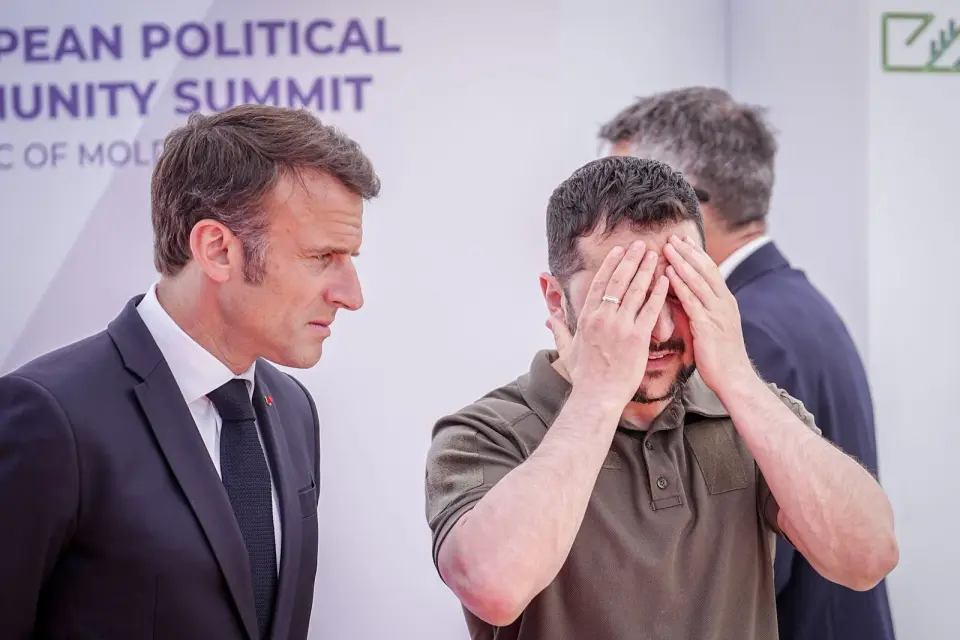
The EU faces a potential collapse of its Russia-related sanctions regime by September 21, 2026, as France and Slovakia block the renewal of 3,000 listings. The dispute centers on delisting oligarchs Alisher Usmanov and Mikhail Fridman, with France reportedly linking its support to Azerbaijan’s release of two French nationals. Zelensky has condemned the move, warning it would shield Russian oligarchs and gift concessions to Moscow.
Key points
- All 3,000 EU sanctions against individuals aiding Russia’s war could expire on September 21 if a compromise is not reached, as decisions require unanimity.
- Slovakia initially pushed to delist Mikhail Fridman and Alisher Usmanov, but France joined the effort, specifically targeting Usmanov, which has intensified the deadlock.
- The Financial Times reported that France’s stance is linked to Azerbaijan’s demand for the release of two detained French nationals, a claim confirmed by six national diplomats.
- President Zelensky criticized the delisting effort, stating it is not the time to shield Russian oligarchs or give Russia gifts, while 25 EU countries oppose any removals.
- Diplomats fear granting exemptions will open a 'Pandora's box' of future requests, damaging EU credibility, with some suggesting a six-month extension as a temporary compromise.
Background
This crisis follows earlier stalled negotiations in September 2026, where EU ambassadors failed to reach a unanimous decision on extending sanctions due to Slovakian objections. The situation is part of a broader pattern where member states leverage sanctions votes for bilateral concessions, echoing previous exemptions like the Greek shipping company Dynagas. It occurs amid intensified Russian strikes on Ukraine, where France recently pledged faster air-defense support to Kyiv, highlighting the tension between diplomatic leverage and military solidarity.
Why it matters
The potential expiration of 3,000 sanctions would significantly weaken the EU’s leverage against Russia, undermining its unified stance on the war in Ukraine. It exposes the fragility of the EU’s unanimity requirement, allowing individual member states to extract concessions from third parties like Azerbaijan, potentially at the expense of collective security and credibility. This could set a precedent for future exemptions, complicating the EU’s ability to maintain pressure on Moscow and its allies.
What to watch
EU diplomats are expected to continue negotiations before the September 21 deadline, with France potentially dropping its demand to pursue other avenues for releasing its nationals. A compromise might involve extending sanctions for six months rather than one year, though this risks delaying the issue until just before France’s presidential election. The outcome will determine whether the EU maintains its sanctions regime or faces a fragmented approach that could embolden further requests for exemptions.
Want the full story? Read the original reporting
Read on The Kyiv Independent