
India Distinguishes Hasina's Planned Voluntary Return from Extradition Request
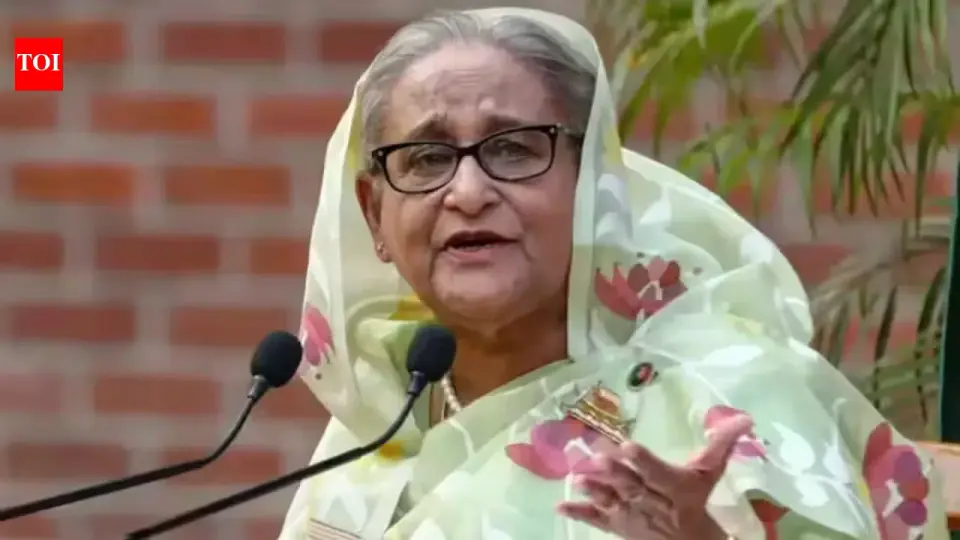
India’s Ministry of External Affairs stated that Sheikh Hasina’s planned voluntary return to Bangladesh on December 16 is legally distinct from Dhaka’s formal extradition request. While Hasina seeks to travel via the national airline, Bangladesh insists she must be extradited as a convicted fugitive. India is examining the extradition request through established procedures, while Bangladesh has rejected her request for travel documents. Security in Bangladesh has been heightened amid fears of violence from Hasina’s supporters, who have called for a nationwide shutdown.
Key points
- India’s MEA spokesperson Randhir Jaiswal stated that a citizen’s voluntary return on a travel document is separate from an extradition request, which is being examined under established processes.
- Sheikh Hasina plans to return to Bangladesh on December 16, Victory Day, and has requested transport on Biman Bangladesh Airlines, but Dhaka rejected this, insisting on extradition.
- Bangladesh’s foreign affairs minister Humayun Kobir stated Hasina can only return through extradition and under custody, as she is considered a convicted fugitive.
- Bangladesh has deployed 108 platoons of border paramilitary forces, including 56 in Hasina’s home district of Gopalganj, amid recent violence and arson attacks.
- The Awami League has called for a nationwide shutdown on November 27 and 28, increasing tensions ahead of the planned return.
Background
Sheikh Hasina fled to India on August 5, 2024, after a student-led uprising ended her 15-year rule. In November 2025, she was sentenced to death in absentia by Bangladesh’s International Crimes Tribunal for crimes against humanity related to the 2024 crackdown. India has been examining Bangladesh’s extradition request, while Dhaka insists on her surrender under the 2013 India-Bangladesh Extradition Treaty. The dispute has strained bilateral relations, with India also urging Dhaka to address violence against minorities.
How outlets are covering it
The Times of India and Open Magazine emphasize India’s legal distinction between voluntary return and extradition, highlighting New Delhi’s diplomatic caution. Firstpost focuses on the legal complexities of the 2013 Extradition Treaty and India’s 1962 Extradition Act, noting that voluntary return does not bypass formal procedures. WION highlights Bangladesh’s security response, including border deployments and fears of violence from Hasina’s supporters. All sources agree that Bangladesh rejects voluntary return, but they differ in emphasis: India-focused outlets stress legal procedure, while Bangladesh-focused coverage stresses security and political tension.
Why it matters
The dispute tests India-Bangladesh relations and the application of the 2013 Extradition Treaty. India’s distinction between voluntary return and extradition could set a precedent for handling similar cases. Bangladesh’s rejection of voluntary return and insistence on extradition reflects its stance on Hasina as a convicted fugitive. The situation also highlights broader tensions over minority rights and political instability in Bangladesh.
What to watch
India will continue examining Bangladesh’s extradition request through established procedures. Bangladesh has rejected Hasina’s request for travel documents and insists on extradition. Security remains heightened in Bangladesh, particularly in Gopalganj and Dhaka, amid the Awami League’s planned shutdown on November 27 and 28. The outcome of the extradition process and Hasina’s potential return on December 16 will be closely watched for its impact on bilateral relations and regional stability.
- 'Voluntary return plan separate from Bangladesh extradition request': India on Sheikh Hasina The Times of India
- India says Hasina's plan to return to Bangladesh is separate from extradition request Reuters
- Can India extradite Sheikh Hasina if she wants to voluntarily return to Bangladesh? Firstpost
- Sheikh Hasina's December 16 return puts India in a diplomatic bind: What happens next? Open Magazine
- Bangladesh beefs up border security as Sheikh Hasina says she plans to return WION
Want the full story? Read the original reporting
Read on The Times of India