
Mexico and Peru End Nine-Month Diplomatic Freeze After Asylum Crisis
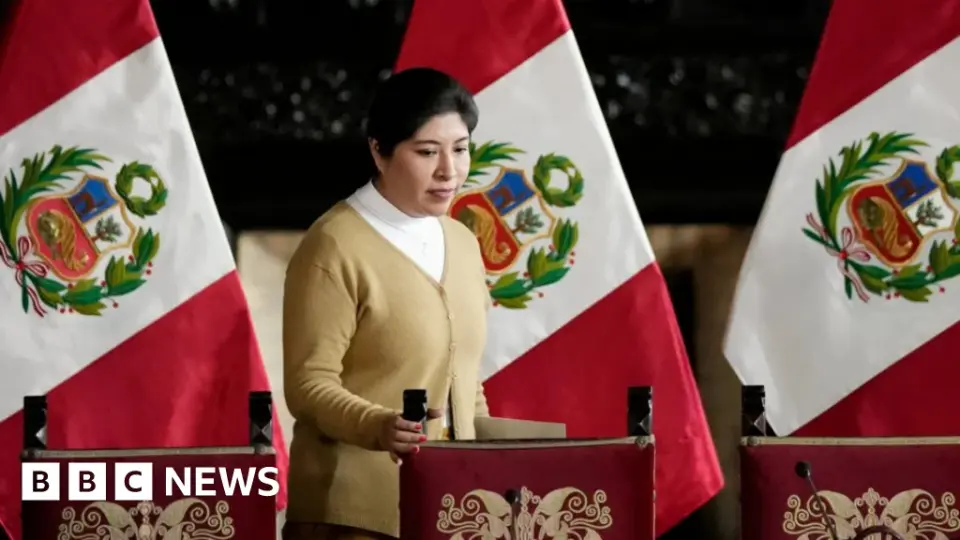
Mexico and Peru have formally restored diplomatic relations after a nine-month freeze triggered by Mexico’s grant of asylum to former Peruvian Prime Minister Betssy Chávez. The normalization follows direct talks between Mexican Foreign Minister Roberto Velasco and newly inaugurated Peruvian President Keiko Fujimori. Key to the resolution was Peru granting safe passage for Chávez to leave the Mexican embassy, while Mexico reaffirmed its continued advocacy for the release of former President Pedro Castillo. The move ends a period where Brazil represented Mexican interests in Lima and marks a significant de-escalation in bilateral tensions.
Key points
- Diplomatic ties were severed in November 2025 after Mexico granted asylum to Betssy Chávez, who faces charges for her role in Pedro Castillo’s 2022 failed coup attempt.
- Peru declared Mexican President Claudia Sheinbaum persona non grata and transferred diplomatic operations to Brazil, which represented Mexican interests in Lima during the freeze.
- On August 7, 2026, both governments announced the resumption of relations, citing historic bonds and respect for international law.
- Chávez was granted safe conduct to leave the Mexican embassy in Lima and arrive in Mexico, a gesture described by Sheinbaum as a show of good will from Fujimori’s government.
- Mexico continues to advocate for the release of Pedro Castillo, who remains jailed alongside Chávez following a March 2026 rebellion trial, a position Peru views as the core interference issue.
Background
This restoration follows a period of significant political instability in Peru, which has seen nine heads of state in a decade. The diplomatic rupture occurred against a backdrop of regional tensions, including earlier disputes involving Argentina and Brazil, and Taiwan and Papua New Guinea, highlighting broader challenges in Latin American and Pacific diplomacy. The current resolution mirrors previous attempts to resolve asylum-related disputes, such as the case of Cuban dissident Luis Manuel Otero Alcántara, though the Mexico-Peru case involved deeper institutional friction.
How outlets are covering it
BBC reported the restoration as a direct outcome of the asylum row, focusing on the high-level diplomatic breakthrough. Mexico Business News emphasized the political nuance, noting that Sheinbaum’s government maintains its stance on Castillo’s release despite the normalization, and highlighted Fujimori’s conservative platform. Mexico Solidarity Media (SinEmbarga) framed the safe conduct of Chávez as a critical gesture of good will from Fujimori’s administration, essential for restoring ties. Voice of Emirates focused on the broader implications for regional economic cooperation and stability, viewing the resumption as a milestone for Latin American integration. While all outlets agree on the restoration, they differ in emphasis: some focus on the legal and asylum aspects, while others highlight the political and economic ramifications.
Why it matters
The restoration of diplomatic relations between Mexico and Peru stabilizes a key bilateral relationship in Latin America, ending a period of significant friction that affected regional cooperation. It demonstrates a willingness to resolve deep-seated political disputes through dialogue, even when core positions on justice and asylum remain contested. The resolution also signals a potential thaw in broader Latin American diplomatic tensions, contributing to regional stability and economic integration. For Mexico, it reasserts its role as a mediator and advocate for political prisoners, while for Peru, it normalizes relations with a major neighbor after a period of isolation and internal political turmoil.
What to watch
Both governments plan to hold structured bilateral meetings to evaluate shared regional priorities and boost trade and cultural cooperation. High-level summits are expected to determine the long-term scope of the renewed partnership. Mexico will continue to advocate for the release of Pedro Castillo, a position that may remain a point of contention. Peru’s new administration under Fujimori will likely focus on domestic issues, including crime, while managing the restored diplomatic relationship. The safe conduct of Chávez is expected to be followed by further negotiations on the legal status of other political figures involved in the 2022 coup attempt.
- Mexico and Peru restore diplomatic relations after asylum row BBC
- Peru Heals Rift With Mexico by Freeing Leftist Politician Bloomberg.com
- Sheinbaum Reveals Direct Contact With Fujimori Mexico Business News
- Mexico and Peru Restore Diplomatic Relations Mexico Solidarity Media
- Mexico and Peru Announce Resumption of Full Diplomatic Relations voiceofemirates.com
Want the full story? Read the original reporting
Read on BBC